Volkswagen Karmann Ghia Restoration Costs: 1955–1974 Models
The Volkswagen Karmann Ghia, produced from 1955 to 1974 , stands as a symbol of timeless design and engineering from German manufacturers. Combining the chassis and mechanicals of the robust Volkswag…
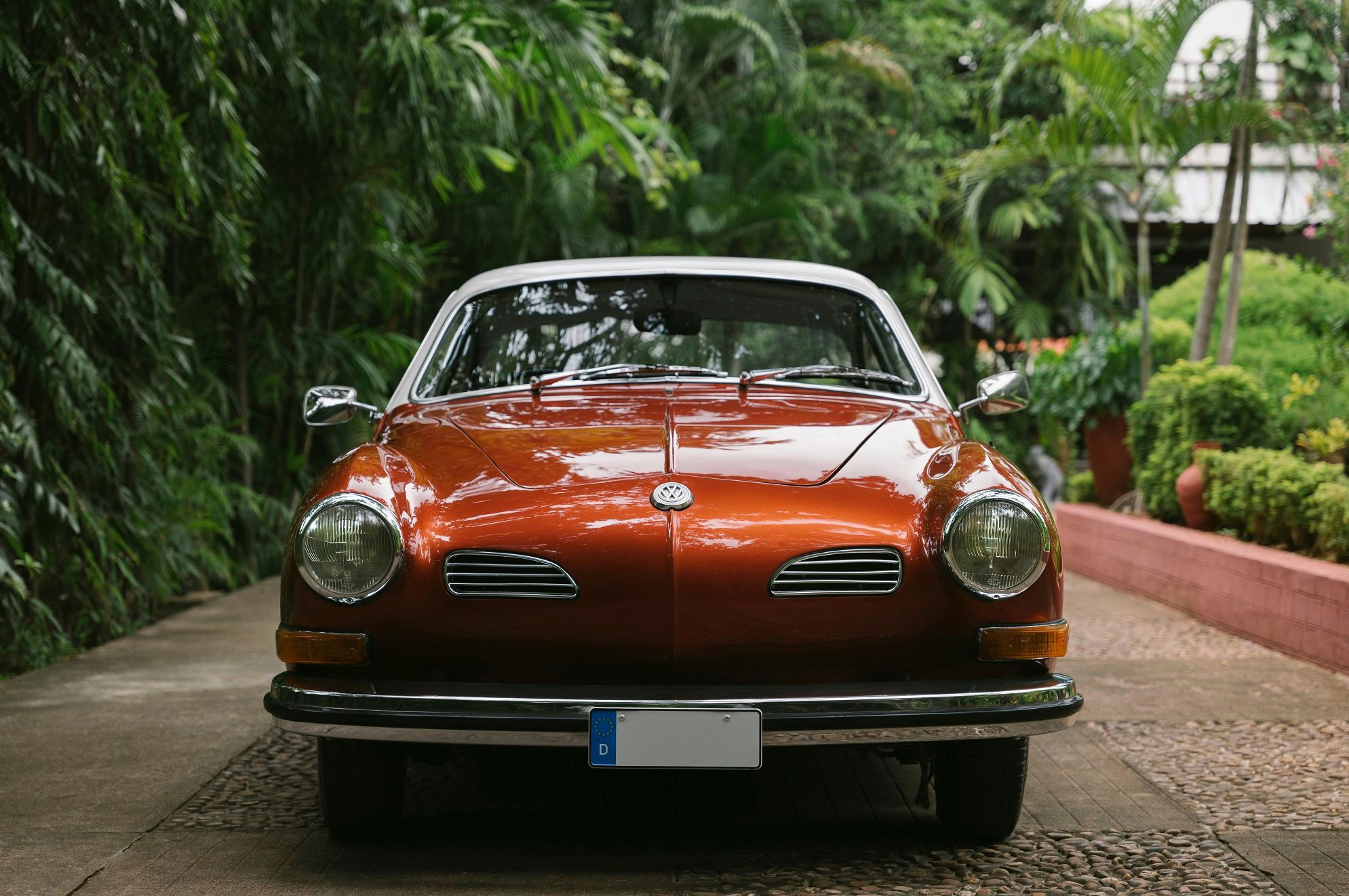
- Restoration Title
- Value of Volkswagen Karmann Ghia 1955–1974 After Restoration
Overview
The Volkswagen Karmann Ghia, produced from 1955 to 1974, stands as a symbol of timeless design and engineering from German manufacturers. Combining the chassis and mechanicals of the robust Volkswagen Beetle with the sleek, stylish bodywork of Italian design house Ghia, it made an indelible impact on the automotive landscape. This coupe and convertible offered an affordable yet sophisticated alternative during its production lifespan, attracting enthusiasts with its elegant curves and reliable performance. The Karmann Ghia's appeal lies not only in its aesthetic charm but also in its durability, making it a beloved classic car ripe for restoration. With modest power from its air-cooled engine, it emphasized style over speed, becoming particularly popular in the U.S.A. The financial investment in restoring a Karmann Ghia typically reflects its historical significance, the availability of original parts, and labor costs, reflecting its enduring legacy among car aficionados.
Factors content
Condition of the Vehicle
- The initial state of the Karmann Ghia significantly impacts restoration costs. A vehicle in poor condition with rust, mechanical issues, or missing parts will demand higher expenses.
- Comprehensive repair jobs, including structural welding and extensive bodywork, augment the financial outlay.
Originality and Parts Availability
- Restorations aimed at maintaining originality require sourcing authentic parts, which can be costly.
- Some parts may be rare, particularly for older models, leading to increased prices due to scarcity.
Level of Restoration Desired
- A complete, concourse-level restoration will be more expensive than a partial or custom restoration.
- The level of detail and precision desired in the restoration will dictate both labor and materials costs.
Labor and Expertise
- Labor costs vary depending on the expertise of the professionals involved. Specialized restorers with experience in classic Volkswagens may charge premium rates.
- The complexity of the restoration and the skills required also contribute to overall labor expenses.
Geographic Location
- Restoration costs can differ based on geographic location, with urban areas often incurring higher labor rates.
- Access to a broader range of suppliers in certain regions can either increase or decrease costs based on local availability.
Levels Content
Driver-Level Restoration
- This level focuses on making the vehicle roadworthy and visually pleasing for everyday use.
- Includes mechanical repairs, basic interior work, and a simple paint job.
- Costs are relatively low, as the emphasis is on functionality rather than originality or cosmetic perfection.
Show-Level Restoration
- Aim is to restore the vehicle to a condition that is worthy of participation in car shows.
- Involves high-quality bodywork, paint, and interior restoration, often using original parts or high-quality reproductions.
- Can be quite costly due to the attention to detail and requirement for top-notch finishes.
Concours-Level Restoration
- The most comprehensive and expensive level, aiming for historical accuracy and perfection.
- Involves a complete teardown and rebuild using period-correct materials and techniques.
- This level is often pursued by collectors and enthusiasts who participate in prestigious concours d'elegance events.
Cost breakdown content
Bodywork and Exterior
Repairing or replacing rusted body panels is often the first step in restoring a Volkswagen Karmann Ghia. Depending on the amount of rust and damage, costs for sheet metal and labor can range from $1,000 to $5,000. A total replacement of panels, including floor pans and fenders, can increase this cost substantially. Painting the exterior is crucial for restoration, usually costing between $3,000 to $7,000 for professional-quality work. Chrome trim restoration or replacement adds an additional $500 to $1,500.
Interior Restoration
Restoring the interior to its original glory involves refurbishing or replacing seats, upholstery, carpets, and dashboard components. An interior kit, including seats and carpets, costs around $1,000 to $2,500. Dashboard repair or replacement may cost an additional $500 to $1,500. Labor for installation could range from $1,000 to $3,000.
Engine Rebuild or Replacement
The engine is the heart of the vehicle, and the costs can vary depending on the condition. An engine rebuild costs approximately $2,000 to $4,000. If extensive damage requires a full replacement, prices can range from $3,000 to $7,000. Additional mechanical components like a new fuel system or exhaust may add another $500 to $2,000.
Transmission and Drive Train
Working on the transmission is an essential aspect of restoration. Depending on whether it requires a simple repair or full replacement, costs can range from $1,500 to $4,000. Clutch repair or replacement might add another $400 to $800. Driveshafts, axles, and related components can add another $1,000 to $1,500.
Brake System and Suspension
A safe and reliable brake system is paramount. Restoring or upgrading the brakes may cost around $500 to $2,000. Suspension work, including shocks and alignment, can range from $500 to $1,500. Depending on the modifications desired, this could further escalate costs.
Electrical and Lighting
Refurbishing the electrical system, including the wiring harness, is vital for reliability. A complete rewire might cost between $1,000 to $2,500. Refurbishing or replacing lights, switches, and relays could add an additional $300 to $800.
Miscellaneous Costs
Other potential costs include acquiring rare parts, which can be expensive depending on availability, ranging from $500 to $3,000. Professional labor costs can vary greatly, based on location and expertise, contributing an additional $5,000 to $10,000 to the overall project.
Total Estimate
Considering the breakdown above, the total restoration cost for a Volkswagen Karmann Ghia model from 1955-1974 varies widely, typically ranging from $15,000 to $40,000, depending on initial condition, scope of work, and location.
Tips content
1. Plan and Budget Wisely
- Create a detailed restoration plan outlining tasks, timelines, and estimated costs.
- Prioritize essential repairs to address safety and functionality first before any cosmetic enhancements.
- Allocate a contingency fund for unexpected expenses, typically 10-20% of your total budget.
2. Source Used or Reconditioned Parts
- Search for second-hand parts through online platforms, auto swap meets, or local car clubs.
- Consider purchasing refurbished components which can cost significantly less than new ones.
- Network with other enthusiasts who might have spare parts available for sale or trade.
3. Do-It-Yourself (DIY) Where Possible
- Identify simple tasks, like cleaning, polishing, or basic mechanical work, that you can complete.
- Utilize online tutorials or restore guides specific to the Karmann Ghia to enhance your skills.
- Invest in a quality set of tools which can save money on labor costs and make future fixes cheaper.
4. Opt for Partial, not Full, Restorations
- Focus on achieving a good running condition before pursuing full cosmetic restorations.
- Repair and restore in phases, spreading out costs and reducing financial burden.
- Concentrate on areas that dramatically impact vehicle performance and reliability first.
5. Network with Other Enthusiasts
- Join Volkswagen clubs or online forums to get advice, support, and recommendations.
- Share resources, tools, or even swap labor with fellow Karmann Ghia enthusiasts.
- Engage in community events that might offer group discounts for parts or services.
Value content
Assessing ROI
Restoring a Volkswagen Karmann Ghia, produced between 1955 and 1974, can be a rewarding venture both personally and financially. The ROI upon completion largely depends on factors such as the initial purchase price, the extent of restoration needed, and current market trends. Generally, these cars are highly valued in the classic car market, and a well-restored Karmann Ghia can command a significantly higher price compared to its purchase and restoration costs combined.
Current Market Value
The market value for a fully restored Volkswagen Karmann Ghia can vary widely based on year, model, and quality of restoration. As of now, highly sought-after models from the early production years, particularly 1955-1960, in mint condition can fetch between $35,000 and $70,000. Mid-production models (1961-1969) typically range from $20,000 to $45,000. Late-production models (1970-1974) are slightly less in demand, but can still command anywhere from $18,000 to $30,000 depending on their restoration quality and originality.
Factors Influencing Value
- Original Parts and Materials: Vehicles restored with original parts tend to fetch higher prices.
- Professional Restoration: Cars that underwent professional restoration can command a premium.
- Documentation: A complete documentation of the car’s history and restoration process can enhance value.
- Unique Features: Limited production colors or rare optional features can significantly increase a car’s value.
Potential Return
Investing in a Karmann Ghia can offer substantial returns if approached with diligence and foresight. Suppose you start with an acquisition cost of $8,000 for a decent project car and $15,000 is invested in restoring it to a period-correct, show-quality condition. Successfully selling the vehicle for $40,000 would yield a significant ROI. However, it's crucial to remember that market conditions fluctuate, and other costs like maintenance, storage, and insurance should be factored into the overall assessment.