Volkswagen Beetle Restoration Costs: Pre-1972 Models
The Volkswagen Beetle, produced from 1938 until 2003, remains one of the most iconic cars in automotive history. Pre-1972 models , often referred to as the "classic Beetles," are particular…
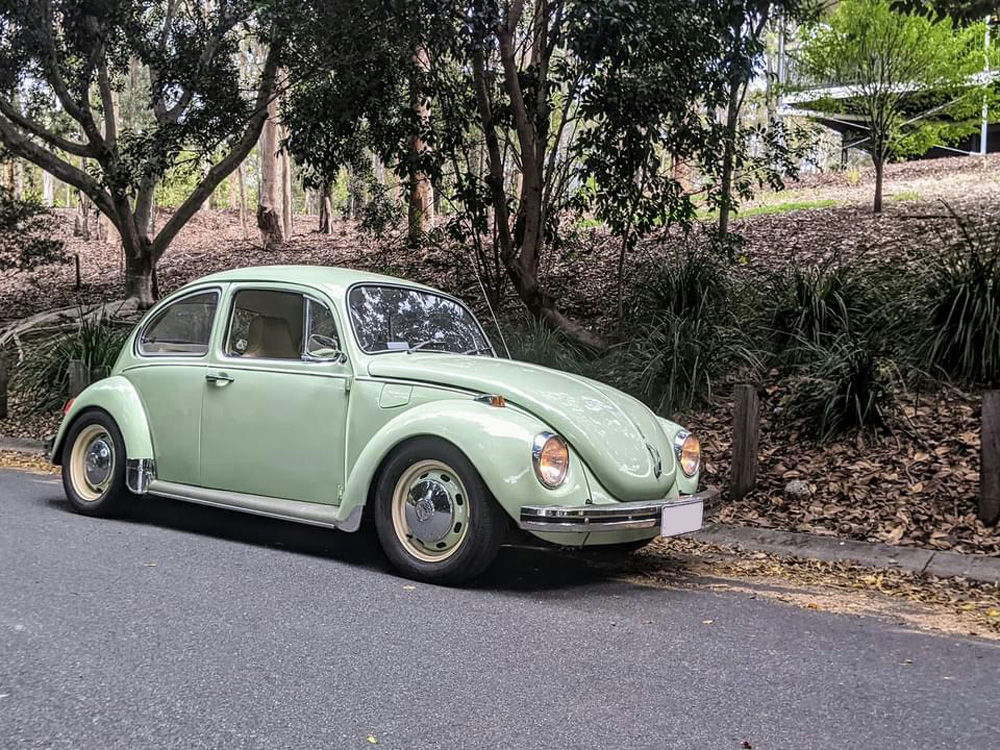
- Restoration Title
- Value of Volkswagen Beetle Pre-1972 After Restoration
Overview
The Volkswagen Beetle, produced from 1938 until 2003, remains one of the most iconic cars in automotive history. Pre-1972 models, often referred to as the "classic Beetles," are particularly celebrated for their simplistic design, robust build, and historical significance. Initially developed as a cheap, reliable vehicle for the masses, these Beetles have evolved into cherished collector's items. The model saw various changes over the years, including enhancements in mechanical performance and design tweaks; however, its essence remained unchanged, with its distinctive shape and rear-mounted air-cooled engine. As a result of their vintage allure and mechanical quirks, the restoration of pre-1972 Beetles can be both a passionate endeavor and a financial commitment. Understanding the background and era-specific features of these models is crucial when considering the various factors affecting restoration costs, such as parts availability, labor, and the desired level of authenticity.
Factors content
Condition of the Vehicle
- The initial condition of your pre-1972 Volkswagen Beetle is a major factor in restoration costs. If the car is heavily rusted, with significant bodywork or structural damage, restoration expenses will be higher.
- Vehicles that have been stored in protected environments with minimal exposure to the elements tend to have lower restoration costs.
Availability of Original Parts
- The more authentic and period-correct you wish to keep your Beetle, the more it may cost, especially if rare or hard-to-find parts are needed.
- Reproduction parts are often available but can vary in quality; opting for high-quality reproductions can increase costs.
Extent of Restoration
- Deciding between a full restoration and a partial restoration will significantly impact costs.
- A full restoration aimed at returning the car to showroom condition will include comprehensive work on the exterior, interior, and mechanical components.
Labor Costs
- The experience and reputation of the restoration shop will affect costs. Renowned specialists may charge premium rates for their expertise in restoring pre-1972 Beetles.
- Geographic location can also influence labor costs, with urban areas generally being more expensive than rural settings.
Customization and Upgrades
- Enhancements beyond the original specification, such as upgraded engines or modern conveniences, can significantly increase restoration costs.
- Custom paint jobs and unique interiors are additional factors that can drive up expenses.
Levels Content
Concourse-Level Restoration
- Highest level of restoration, focused on creating a vehicle that is as close to factory-new as possible.
- Typically involves a complete disassembly and meticulous attention to detail in every component.
- Costs are considerably high due to the extensive work and time involved.
Show Quality Restoration
- Focused on achieving a visually appealing, historically accurate vehicle meant for car shows but not necessarily daily driving.
- Includes comprehensive bodywork and interior refurbishment.
- Cost is high; however, it may be slightly less than concourse-level, depending on the specifics.
Driver Restoration
- Emphasis on creating a reliable and enjoyable driving vehicle rather than pristine show condition.
- Involves necessary mechanical upgrades and basic cosmetic work to ensure functionality and safety.
- Costs are moderate, allowing for a balance between performance and aesthetics.
Partial Restoration
- Focuses on select parts of a vehicle, such as the engine or interior, without addressing the entire car.
- Ideal for owners looking to enhance specific areas without committing to a full restoration.
- Costs vary widely based on the extent and areas involved.
Survivor Preservation
- Aims to maintain the vehicle’s original condition rather than restore it, emphasizing authenticity and minimal intervention.
- Includes basic repairs to keep the car running and preserve its historical status.
- Costs are generally lower compared to more extensive restoration levels.
Cost breakdown content
Bodywork and Paint
The bodywork and paint are often the most visually impactful part of a restoration. Repairing rust, dents, and dings can cost between $500 to $2,000, depending on how extensive the damage is. Sanding and priming might add another $500. A quality paint job for a Volkswagen Beetle can range from $3,000 to $8,000, with custom colors on the higher end of that spectrum.
Engine Rebuild
For pre-1972 models, an engine rebuild can cost between $2,500 and $4,000. This includes machining, replacing pistons, cylinders, valves, and perhaps an upgrade to a dual-carburetor setup. Additional costs might include a new exhaust system, costing between $400 and $1,000.
Transmission and Drive Train
The transmission and drive train components often require attention. A full rebuild of the transmission may cost around $800 to $1,500. Driveshaft and CV joint replacements might add another $200 to $400.
Suspension and Steering
Restoring the suspension and steering system is crucial for handling and safety. Replacing shocks, bushings, and other suspension parts can cost $800 to $1,500. Steering components, including a new steering box, tie rods, and linkages, can add between $500 and $1,000.
Interior Restoration
The interior restoration can vary widely based on preference. Upholstery can cost from $500 to $2,000, depending on materials and extent of work. Restoring or replacing gauges, dashboard, and interior panels can add another $1,000 to $3,000.
Electrical System
An overhaul of the electrical system, including wiring harness, lights, and switches, is crucial for reliable operation. This can range from $500 to $2,500, depending on the extent of existing damage and required updates.
Braking System
Restoring the braking system ensures safety. A full brake job including lines, calipers, drums, and pads can range from $500 to $1,000. Upgrading to a disc brake system, if desired, might add $300 to $600.
Miscellaneous and Final Touches
This includes restoration of chrome parts, badges, and purchasing classic VW emblems. Such details can cost an additional $500 to $1,500.
Total Estimated Cost
Taking all components into consideration, the total estimated cost for a comprehensive restoration of a pre-1972 Volkswagen Beetle ranges from $10,000 to $25,000. This range accounts for varying condition levels and restoration preferences.
Tips content
Research and Source Parts Strategically
- Identify reputable online marketplaces and forums that specialize in Volkswagen Beetle parts, as these can offer competitive pricing compared to brick-and-mortar stores.
- Seek out salvage yards and classic car clubs where you might find used parts in good condition at a fraction of the cost.
- Compare prices from different vendors to ensure you are getting the best deal available.
Focus on Salvageable Parts
- Carefully evaluate which parts of the vehicle can be restored rather than replaced entirely. This includes body panels, frames, and interior components.
- Hire an experienced restorer to assist in assessing the vehicle, as they can identify parts that are commonly overlooked but still viable for repair.
Learn Basic Restoration Skills
- Consider investing time in learning basic restoration skills such as sanding, painting, and upholstery work through online courses or workshops.
- Purchase tools and equipment that you can use for minor restoration tasks, allowing you to take on more aspects of the project yourself.
Schedule Efficiently
- Avoid peak restoration seasons when professionals charge higher rates; instead, schedule work during slower times when discounts may be available.
- Plan a timeline for your project to minimize overlapping tasks and unnecessary labor hours, which can increase costs.
Utilize Group Buying Discounts
- If you belong to a car club or community, consider organizing group buys with other enthusiasts to take advantage of bulk purchase discounts on parts or materials.
- Negotiate with suppliers for better rates when purchasing in larger quantities.
Value content
Estimating the Potential Market Value Post-Restoration
The market value of a restored pre-1972 Volkswagen Beetle can vary considerably based on factors such as the quality of the restoration, rarity, and historical significance. High-quality restorations performed with original parts can significantly enhance the car's value. An expertly restored Beetle can fetch between $20,000 and $40,000 at auction or in private sales.
Factors Influencing Restored Value
- Quality of Restoration: The use of original parts and adherence to authentic restoration techniques can greatly increase the car's value.
- Rarity: Limited editions and less common models typically command higher prices in the market.
- Provenance: A documented history and provenance can add substantial value, sometimes increasing worth by approximately 15-20%.
- Market Demand: Fluctuating interest in classic cars can influence the selling price dramatically.
Calculating Return on Investment (ROI)
Before investing in the restoration of a pre-1972 Volkswagen Beetle, it's crucial to project the potential return on investment. Restoration costs can range from $8,000 to $30,000, depending on the level of restoration undertaken and the complexity of the model. Therefore, calculating ROI involves comparing these costs to the expected market value.
- For a restoration costing $10,000 with a selling price of $25,000, the ROI would be 150%.
- For a high-end restoration costing $30,000 with a selling price of $40,000, the ROI would be approximately 33%.
Investors should evaluate the specific factors influencing their Beetle's potential value and consider current market trends to make informed restoration decisions.