Triumph TR6 Restoration Costs: 1969–1977 Models
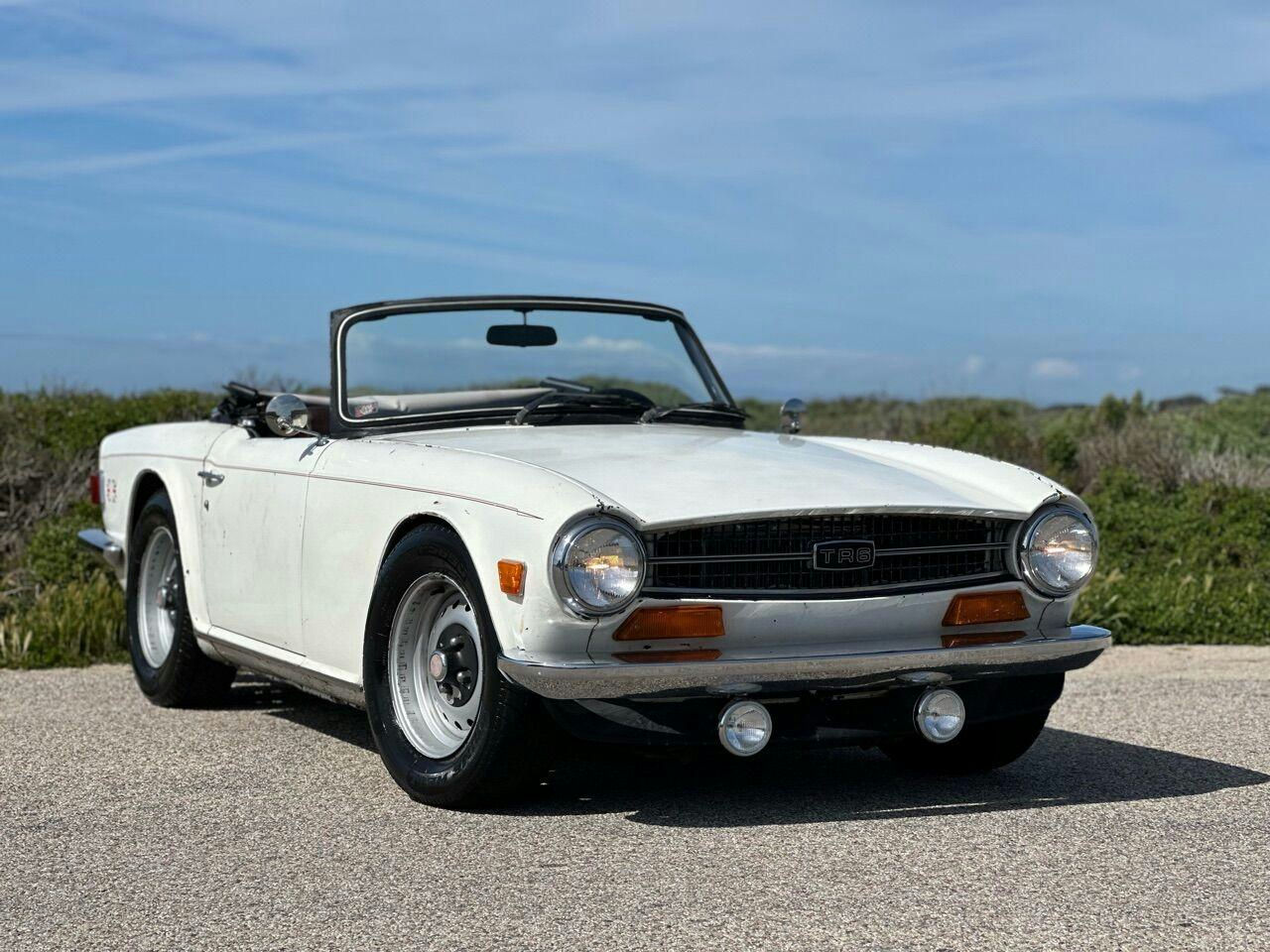
The Triumph TR6 , produced from 1969 to 1977 , is a quintessential British sports car that exudes vintage charm and performance. This era of the TR6 distinguishes itself as a blend of classic design …
- Restoration Title
- Value of Triumph TR6 1969–1977 After Restoration
Overview
The Triumph TR6, produced from 1969 to 1977, is a quintessential British sports car that exudes vintage charm and performance. This era of the TR6 distinguishes itself as a blend of classic design and evolving automotive technology, making it a beloved model among car enthusiasts and collectors. Equipped with a 2.5-liter inline-six engine, the TR6 was largely celebrated for its robust performance and distinct, muscular styling. Known for its independent rear suspension and signature Kamm-style tail, the TR6 offered a driving experience that balanced comfort with sportiness. When considering restoration costs, it's important to recognize the influence of various factors such as the availability of authentic parts, the level of restoration required, and the demand for specific model years. The TR6's appeal continues to grow, driving up restoration interest and costs. Understanding its historical significance and mechanical intricacies is vital for anyone embarking on a restoration project of this iconic vehicle.
Factors content
Condition of the Vehicle
- Initial purchase condition significantly impacts restoration costs, with complete vehicles typically costing more to restore compared to partially restored or well-maintained ones.
- The availability and condition of critical components such as the chassis, engine, and bodywork affect the budget for restoration.
Availability of Parts
- Restoration costs can rise due to the scarcity of original parts, necessitating the use of reproduction parts or customized solutions.
- Import duties and shipping fees for sourcing rare or original parts from different countries can add to the expenses.
Scope of Restoration
- Determining whether a restoration will be a full, partial, or cosmetic one will largely influence the cost, with a full restoration generally being more expensive.
- Adjustments for upgraded performance or modernized features will require additional spending beyond standard restoration.
Labor Costs
- Hiring professionals with expertise in vintage vehicles can impact labor expenses, which may vary based on geographic location and shop rates.
- DIY restoration can significantly reduce costs but may require a longer timeframe and a higher skill level.
Paint and Finish Options
- The choice of paint, from a basic color match to a custom finish, will affect the overall cost of restoration.
- High-quality finishes and detailing involve more extensive work and materials, leading to higher costs.
Unexpected Repairs
- Unforeseen issues such as rust damage, electrical problems, or mechanical failures discovered during restoration can lead to additional expenses.
- Regular assessment and contingency planning for these occurrences can help manage costs effectively.
Levels Content
Preservation
- In this level, the focus is on maintaining the vehicle's original condition as much as possible, addressing only minor wear and tear.
- Costs are generally lower, focusing on cleaning, polishing, and basic maintenance tasks like oil changes and brake checks.
- Important for vehicles that are in good condition with most original parts intact.
Partial Restoration
- This approach involves restoring certain aspects of the car while leaving others untouched if they are in good condition.
- Can include bodywork repairs, partial reupholstering, and repainting selective areas.
- Costs vary depending on the extent of repairs and replacements needed.
Full Restoration
- Involves bringing the car back to its original factory condition, or even better.
- This is the most expensive level as it includes comprehensive bodywork, engine rebuilds, transmission overhauls, and complete interior refurbishing.
- Ideal for vehicles that are in poor condition or for owners aiming for show-quality results.
Concours Restoration
- The highest level, where the vehicle is restored to meet the highest standards, often exceeding original factory specifications.
- Used primarily for show cars that are judged on their authenticity and condition at car shows.
- Significant costs are associated with sourcing period-correct parts and materials.
Cost breakdown content
Bodywork and Paint
Restoring the bodywork of a Triumph TR6 involves addressing rust, dents, and other imperfections. Costs can vary depending on the level of decay, but a complete bodywork overhaul typically ranges from $3,000 to $10,000. This may include welding, patching panels, and reshaping. Once the body is prepped, a high-quality paint job can cost between $2,000 and $7,000, depending on color and finish options.
Engine Rebuild
An engine rebuild is often necessary for these older models and can range from $3,500 to $7,000. This cost includes new pistons, gaskets, timing chains, and labor. Depending on the existing condition of the engine, additional work such as crankshaft balancing or cylinder head refurbishment may increase costs.
Transmission and Drivetrain
Rebuilding or replacing the transmission typically costs between $1,500 and $3,500. This component often requires new gears, bearings, and seals. The drivetrain (including the differential and propshaft) could add another $1,000 to $2,500 if repairs or replacements are needed.
Interior Restoration
Restoring the interior can range from $2,000 to $6,000, covering new upholstery, seats, dashboards, and carpeting. Reproduction items or factory-original parts can affect the final price. If you want to keep the original style, be prepared to spend a bit more on rare parts.
Electrical Systems
The electrical systems, including wiring harnesses and lighting, may need rewiring or replacement. This process typically costs between $800 and $2,000. This ensures reliable operation of lights, gauges, and other electrical components.
Suspension and Brakes
Updating the suspension and braking system revises both safety and handling. This can range from $1,500 to $4,000 depending on the need for new springs, shock absorbers, bushings, and braking components like rotors and pads.
Miscellaneous Parts and Labor
Additional costs to consider include replacing small but essential parts such as belts, hoses, and filters, which can add up to $500 to $1,000. Labor costs can vary widely based on the shop’s rate, but averaged on an hourly basis can range from $3,000 to $5,000 for a comprehensive restoration.
Approximate Total Cost
Overall, restoring a Triumph TR6 1969–1977 model can range from $15,300 to $48,000 or more, depending on the level of restoration desired and the initial condition of the vehicle.
Tips content
Plan Your Restoration
Before diving into the restoration project, create a detailed plan. This plan should outline all the necessary tasks and parts needed for the restoration. With a well-organized plan, you can keep track of progress and expenses, preventing unnecessary purchases and time delays.
Source Parts Economically
Seek out cost-effective parts suppliers by comparing prices from multiple vendors and considering second-hand parts. Online forums and local Triumph clubs can be valuable resources for finding used parts in good condition or connecting with fellow enthusiasts who might have spare parts available for purchase.
DIY Where Possible
Tackle tasks such as removing old paint, disassembling non-mechanical components, and preparing surfaces for restoration. By handling these less complex tasks yourself, you can significantly reduce labor costs. Leverage online resources, guides, and video tutorials for assistance.
Invest in Quality Tools
While it may seem counterintuitive to spend on tools, investing in quality tools can save money in the long run by ensuring that tasks are completed efficiently and correctly. Tools also have resale value when well maintained, allowing you to recoup some costs post-restoration.
Prioritize Restoration Tasks
Set priorities by focusing on essential tasks such as addressing mechanical and safety issues before cosmetic enhancements. This approach ensures that necessary work is completed within budget, and it provides the option to gradually approach aesthetic tasks as funds allow.
Network with Other Enthusiasts
Engage with Triumph restoration communities online or in your local area. These groups offer advice, share resources, and sometimes even barter labor for parts. Seasoned enthusiasts often have tips and insights that can help you avoid costly mistakes.
Consider Partial Restorations
If a full restoration is beyond your current budget, consider starting with a partial restoration. Focus on sections of the vehicle that require the most attention, and plan to tackle remaining areas incrementally. This phased approach helps manage cash flow and maintains project momentum.
Document Every Expense
Meticulously record every purchase and expense throughout the restoration process. Tracking costs helps identify areas where you're overspending and facilitates accurate budgeting for the remaining parts of the project. Consistent documentation will also be invaluable if you decide to sell the car in the future.
Value content
Value After Restoration
The Triumph TR6, a classic British roadster produced between 1969 and 1977, remains a beloved figure among car enthusiasts. Its appeal lies not only in its vintage charm but also in the potential increase in market value after a well-executed restoration. Evaluating the return on investment (ROI) of restoring a TR6 involves considering several factors, including purchase price, restoration costs, and the car's condition and market demand post-restoration.
Restored TR6 models can fetch considerable sums in the classic car market. On average, a thoroughly restored TR6 can command prices ranging from $25,000 to $40,000, though concours-quality restorations can exceed this range. For instance, a meticulously restored 1973 TR6 could sell for upwards of $45,000 depending on rarity and documentation of restoration work.
However, the ROI on a TR6 restoration project is dependent on the initial purchase and restoration costs. Typically, purchasing a TR6 in need of significant restoration might cost between $5,000 and $10,000. Restoration costs can vary widely based on the scope and quality of the work, averaging between $15,000 to $30,000. While these numbers suggest the potential for profit, the high end of restoration costs could result in breaking even or a modest gain, particularly if unexpected challenges arise during the restoration process.
Several factors can influence the market value of a restored TR6, including:
- The originality of parts and restoration methods
- Provenance and originality of the car's components
- Desirability of specific model years and options
- Quality of work done and attention to detail
Investing in a Triumph TR6 restoration can be rewarding both financially and emotionally. Enthusiasts often find great personal satisfaction in revitalizing a piece of automotive history, which can enhance the car's sentimental addition to its financial value. However, those considering a TR6 restoration as a financial investment should carefully account for all expenses and potential market fluctuations to ensure a profitable outcome. If executed with care and precision, a restored Triumph TR6 can become both a cherished classic and a wise investment.