Triumph Spitfire Restoration Costs: 1962–1970 Models
The Triumph Spitfire, produced between 1962 and 1970 , is a classic British sports car renowned for its sleek design and spirited performance. Originating from the mind of designer Giovanni Michelott…
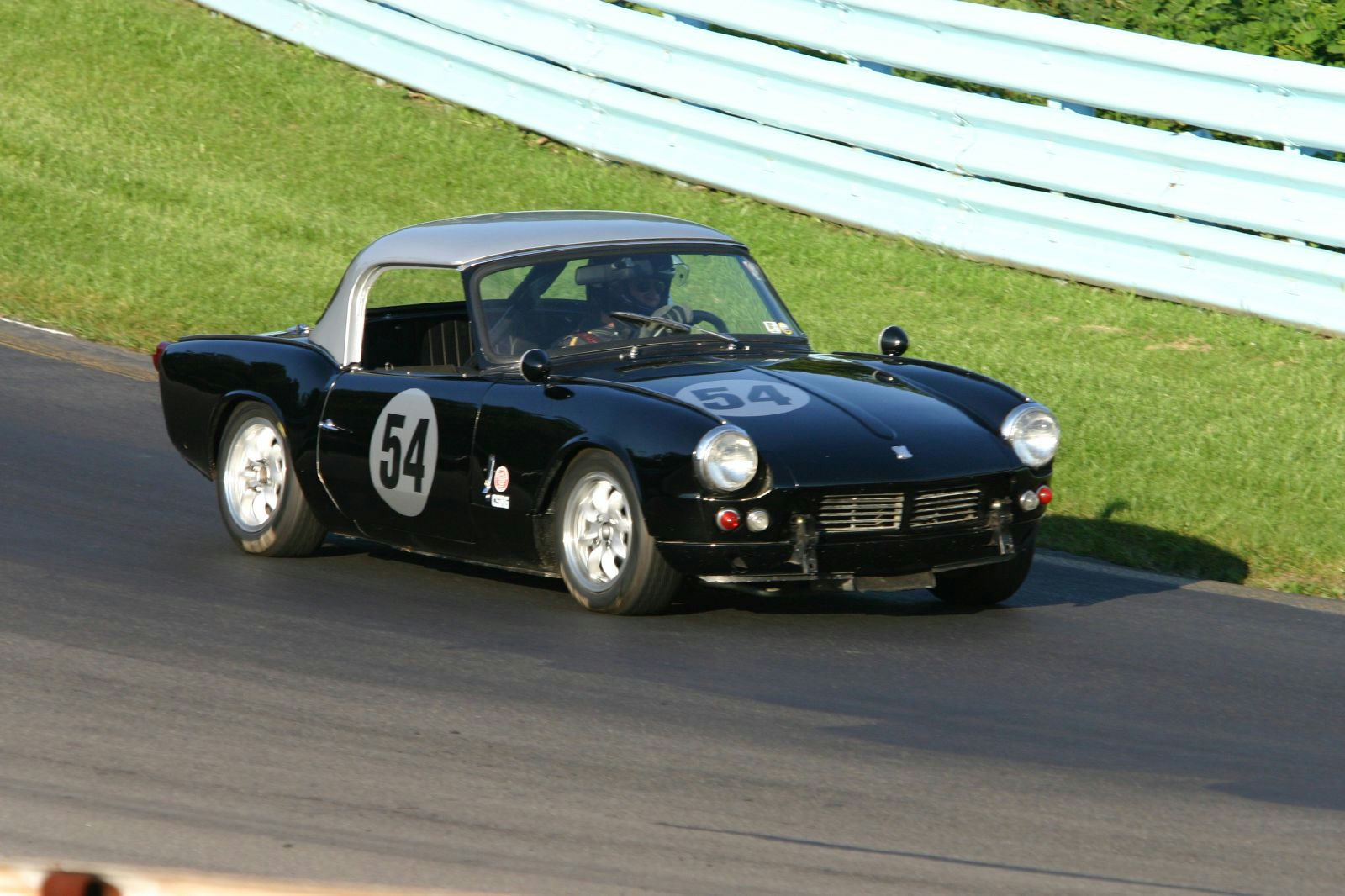
- Restoration Title
- Value of Triumph Spitfire 1962–1970 After Restoration
Overview
The Triumph Spitfire, produced between 1962 and 1970, is a classic British sports car renowned for its sleek design and spirited performance. Originating from the mind of designer Giovanni Michelotti, the Spitfire was built to compete with the likes of the Austin-Healey Sprite and MG Midget. Under the hood, it featured a 4-cylinder engine with various updates over the years, initially offering a 1.1-liter power unit that later evolved into a more robust 1.3-liter engine. The Spitfire’s lightweight frame and mechanical simplicity make it an enticing choice for restoration enthusiasts. However, this era's models also present inherent challenges, including parts scarcity and bodywork issues like rust. Understanding these factors is crucial for evaluating restoration costs, as they significantly influence the investment required to return a Spitfire to its former glory. Enthusiasts often weigh historical accuracy against modern enhancements to balance cost against performance, making each restoration a unique endeavor.
Factors content
Condition of the Vehicle
The initial condition of the Triumph Spitfire is a crucial factor in determining restoration costs.
- Vehicles in poor condition with extensive rust and structural damage will require more resources and time.
- Parts that are missing or beyond repair add additional expenses as replacements must be sourced.
Availability of Parts
The availability and cost of replacement parts can substantially influence restoration costs.
- Original or rare parts may be harder to find, potentially driving up costs.
- Using aftermarket parts can reduce costs, but may affect authenticity or quality.
Labor Costs
Labor charges vary based on who performs the restoration and where it is done.
- Professional restorations ensure quality but can be expensive.
- Self-restoration can lower costs but requires skill, time, and tools.
Level of Restoration
The depth and scope of the restoration can significantly impact the final cost.
- Concours-level restorations aim for factory-original conditions, increasing costs.
- Driver-quality restorations focus on functionality and safety, which can be more budget-friendly.
Geographical Location
Where the restoration is taking place can also affect costs.
- Certain areas have higher labor rates and parts costs, affecting the overall expenditure.
- Importing parts or vehicles can add shipping and duty fees to the total cost.
Levels Content
Concours Restoration
- This level of restoration aims for absolute authenticity and perfection, often for show or competition purposes.
- Original parts are sought after, every detail is tended to with utmost precision, and costs are typically the highest.
- This process may involve professional restorers and can result in significant expenses, sometimes exceeding $50,000.
Show Quality Restoration
- This level achieves a visually stunning appearance with high-quality paintwork and a fully restored interior and exterior.
- While not as meticulous as concours restoration, it still involves extensive work, potentially using reproduction parts.
- Expect costs in the range of $30,000 to $50,000, depending on initial vehicle condition and detail level desired.
Driver Restoration
- This level focuses on making the car reliable and visually appealing without reaching show standards.
- It emphasizes functionality and safety; using a mix of refurbished, new, and reproduction parts.
- Costs are generally lower, ranging from $10,000 to $30,000, suitable for those who wish to enjoy regular driving.
Basic Restoration
- This is a cost-effective approach, dealing primarily with essential repairs and basic cosmetic improvements.
- This level often involves simple repairs like paint touch-ups and minor interior refurbishment.
- Basic restoration projects can cost under $10,000, fitting for budget-conscious owners.
Cost breakdown content
Body and Paint Work
- **Rust Repair:** Tackling rust is a critical part of restoring any vintage car, and the Spitfire is no exception. Depending on the extent of corrosion, rust repair can range from $1,500 to $5,000.
- **Body Panel Replacement:** For panels that are beyond repair, replacements may cost anywhere from $250 to $1,200 per panel.
- **Paint Job:** A high-quality paint job is crucial for bringing a classic Spitfire back to life. Expect to spend between $3,000 and $7,000 depending on the finish and detailing.
Engine and Transmission Overhaul
- **Engine Rebuild:** Restoring the engine to peak performance can cost between $2,500 and $4,500.
- **Transmission Repair:** Whether you are working with a manual or overdrive transmission, repair costs range from $800 to $2,000.
Interior Restoration
- **Upholstery:** Quality re-upholstery, using leather or vinyl, costs between $1,000 and $3,000.
- **Dashboard and Instrumentation:** Repairing or replacing the dashboard and other instruments may cost between $500 and $1,500.
- **Carpets and Mats:** New carpets and mats for a Spitfire can range from $200 to $600.
Suspension and Brakes
- **Suspension Overhaul:** Replacing suspension components such as shocks and struts can cost between $600 and $1,500.
- **Brake System**: A complete brake restoration, including rotors, pads, and lines, costs between $500 and $1,200.
Electrical System
- **Wiring Harness Replacement:** Old and faulty wiring needs replacement, which can run between $500 and $1,200.
- **Battery and Alternator:** New components may cost between $200 and $500.
Other Essential Components
- **Exhaust System:** Restoring or replacing the exhaust system can range from $300 to $900.
- **Fuel System:** Restoring the fuel system, including the tank and fuel lines, can cost between $400 and $1,000.
With all components accounted for, the approximate total cost for restoring a Triumph Spitfire from 1962–1970 can range between $12,750 and $29,900.
Tips content
Invest in a Comprehensive Workshop Manual
- Purchase a detailed workshop manual specific to the Triumph Spitfire models from 1962-1970. These manuals provide step-by-step guidance that can help you undertake several tasks yourself, reducing the need for professional labor.
- Search for digital versions online that may be available for free or at a low cost.
Join Enthusiast Forums and Clubs
- Connect with Triumph Spitfire enthusiast groups and online forums. Experienced members often share valuable advice, parts sources, and sometimes even lend tools.
- Attend club meetings and events which can also serve as networking opportunities to find discounted or second-hand parts.
Source Parts Wisely
- Compare prices between different suppliers, and check for any available discounts or bulk purchase offers.
- Consider buying used parts in good condition from reputable sources. Online platforms, salvage yards, and club swap meets can be excellent places to find affordable parts.
DIY Where Possible
- Tackle simpler restoration tasks yourself, such as cleaning, painting, or upholstery work, which can save significant labor costs.
- Invest in a basic set of tools if you don't already own one; this upfront cost can be quickly recuperated in savings.
Plan and Prioritize Your Restoration
- Create a clear plan of which parts and tasks are essential. This can help you budget effectively and avoid unnecessary expenditures.
- Prioritize the structural and mechanical issues first to ensure your car is roadworthy before focusing on aesthetic improvements.
Leverage Community Knowledge
- Engage in online forums and social media groups dedicated to classic car restoration. These communities often share cost-saving insights and experiences.
- Consider trading skills or labor with other enthusiasts to offset some restoration costs.
Opt for Reproduction Parts When Suitable
- Reproduction parts are often less expensive than OEM or NOS options and can provide the same functionality in many cases.
- Confirm the quality of reproduction parts through reviews and community feedback before making a purchase.
Value content
Understanding Market Value
The value of a restored Triumph Spitfire from the 1962–1970 production years can vary significantly based on several factors including the condition, rarity, and historical significance of the specific model. On average, a fully restored Spitfire can fetch between $15,000 and $30,000 in the current market. Limited edition models or those in pristine, concours-winning condition can command even higher prices, sometimes reaching up to $40,000 or more.
Potential Return on Investment (ROI)
When considering the ROI for a restored Triumph Spitfire, it's essential to account for the initial purchase cost, the restoration expenses, and the potential sales price. Restoration expenses can range broadly but often fall between $10,000 to $20,000, depending on whether you are doing a partial renovation or a comprehensive nut-and-bolt restoration. Therefore, if you purchase a well-priced project car for around $5,000 and invest a moderate $12,000 in a restoration, bringing your total investment to $17,000, selling it for the lower market value of $15,000 could result in a loss. However, hitting the upper market estimates could yield a profit of $13,000 or more, translating to a potential ROI of around 76% or higher.
Factors Affecting Value
The car's provenance and originality are key determinants of its final worth. Original parts, matching numbers, and a documented history can add substantial value. Restoration quality is critical as well; professionally restored vehicles generally fetch higher prices compared to amateur restorations. Market trends also play a role, as classic car values can fluctuate based on popularity and demand. Finally, modifications and upgrades, while potentially enhancing the driving experience, may not always increase market value unless they are reversible or period-appropriate.