Shelby Cobra 427 Restoration Costs: 1965–1967 Models
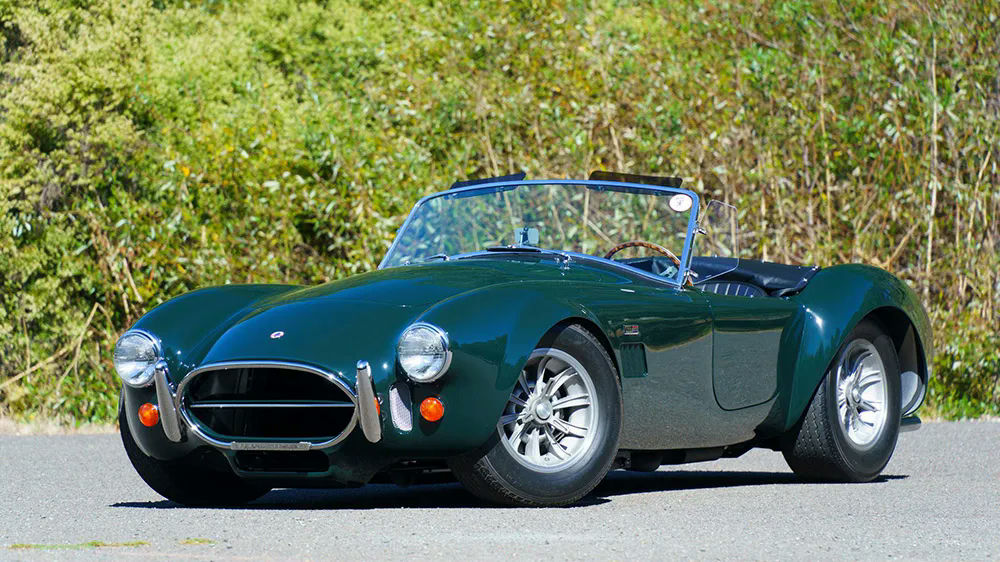
The Shelby Cobra 427 , produced between 1965 and 1967 , is a legendary icon in the realm of American sports cars. Brainchild of Carroll Shelby , the vehicle is revered for its raw power and distincti…
- Restoration Title
- Value of Shelby Cobra 427 1965–1967 After Restoration
Overview
The Shelby Cobra 427, produced between 1965 and 1967, is a legendary icon in the realm of American sports cars. Brainchild of Carroll Shelby, the vehicle is revered for its raw power and distinctive design, encapsulating the spirit of automotive innovation in the 1960s. The 427 model features a massive Ford V8 engine, propelling it to unprecedented speeds and solidifying its status on both roads and racetracks during its heyday. Limited in production, with only about 300 units crafted, this rarity has made the Shelby Cobra 427 a highly sought-after collector's item. Due to the complexities in maintaining its original performance and appearance, restoration costs can be significant. Factors like sourcing authentic parts, expert craftsmanship, and historical relevance all influence the financial investment required in restoring one of these automotive treasures to its former glory. Enthusiasts are driven by the allure of owning a piece of automotive history.
Factors content
Original Condition of the Vehicle
- The initial state of the Shelby Cobra 427 can significantly influence restoration costs. Cars in poor condition require more extensive work, including bodywork, engine repair, and parts replacement.
Availability of Parts
- The rarity of parts for the 1965-1967 models affects costs. Authentic parts are often hard to find and costly, driving up the expense of restoration.
Labor Costs
- Restoration involves skilled labor which can vary widely in cost based on the location and reputation of the shop working on the vehicle.
Level of Restoration Desired
- The depth of restoration, whether a basic refurbishment or a full concours-level restoration, will greatly determine the overall cost, with more detailed restorations requiring more time and resources.
Timeframe
- The desired timeline for the restoration can impact costs, with expedited projects often requiring increased manpower and resources, thus increasing the overall expense.
Levels Content
Concours Restoration
- Highest level of restoration focusing on authenticity and originality.
- Ideal for collectors intending to display or compete in car shows.
- Involves sourcing original parts and materials to match factory specifications.
- Potential cost: $200,000 and upwards.
Show Quality Restoration
- Emphasizes aesthetics and performance while allowing some modern upgrades.
- Suited for owners who want a pristine car for casual shows or personal enjoyment.
- May use reproduction parts where originals are scarce or impractical.
- Potential cost: $100,000 to $200,000.
Driver Restoration
- Aims for solid performance and reliability with less focus on originality.
- Perfect for enthusiasts who wish to regularly drive their vehicles.
- Includes necessary mechanical improvements and basic cosmetic work.
- Potential cost: $50,000 to $100,000.
Basic Restoration
- Concentrates on essential repairs to make the vehicle operational.
- Minimal focus on exterior and interior aesthetics.
- An economical option for those with budget constraints.
- Potential cost: $20,000 to $50,000.
Cost breakdown content
Bodywork and Paint
- Rust Repair: Expect to pay around $2,000 to $5,000 for addressing rust issues, depending on severity.
- Body Panel Alignment: Professional alignment can cost between $1,500 and $3,000.
- Paint: A high-quality paint job for the Cobra can range from $6,000 to $15,000 depending on the paint type and labor involved.
Engine Overhaul
- Rebuilding or Replacing Engine Components: Costs can vary between $8,000 to $12,000 for a complete engine overhaul.
- Carburetor Replacement or Rebuild: This can add $500 to $1,200 to the restoration costs.
Transmission and Drivetrain
- Transmission Rebuild: A rebuild or replacement can cost between $3,000 and $7,000.
- Drivetrain Components: Repairing or replacing parts like the driveshaft can add another $1,500 to $2,500.
Suspension and Brakes
- Suspension Overhaul: Replacement of suspension components could run from $2,500 to $4,500.
- Brakes: Restoring the braking system might add an additional $1,000 to $2,000 to the budget.
Interior Refurbishment
- Upholstery: Restoring the seats can cost from $2,000 to $4,000 depending on material choice.
- Dashboard and Instrumentation: Updating or restoring components might range from $1,500 to $3,000.
Electrical and Lighting Systems
- Wiring Harness Replacement: This can cost between $1,500 and $3,500.
- Lighting Systems: Replacing headlights, taillights, and other lighting can add around $500 to $1,200.
Miscellaneous Components
- Chrome and Trim Restoration: Refurbishing or replacing trim can cost from $1,000 to $2,500.
- Exhaust System: A new exhaust system might add another $1,000 to $2,000.
The total restoration costs for a Shelby Cobra 427 from 1965 to 1967 typically range between $35,000 and $70,000, depending on the specific condition and level of restoration desired.
Tips content
Set a Realistic Budget
- Before diving into the restoration process, it's crucial to set a realistic budget. Prices for parts, labor, and unforeseen expenses can add up quickly. Aim to allocate funds based on critical areas like the engine, bodywork, and interior, leaving some room for unexpected costs.
Prioritize Essential Repairs
- Focus on essential repairs first, such as mechanical issues that affect the car’s performance and safety. Prioritizing engine, brakes, and suspension over purely cosmetic upgrades can help manage costs while ensuring the vehicle runs smoothly.
D.I.Y. Where Possible
- Consider taking on tasks you are comfortable with, such as minor mechanical repairs or interior upholstery work. This not only saves money on labor but also allows for a more involved and rewarding restoration experience.
Source Affordable Parts
- Look for parts from reputable sources, such as classic car forums, swap meets, and salvage yards. Opt for quality used parts when feasible to reduce costs without sacrificing quality. Networking with other classic car enthusiasts can also lead to discovering more cost-effective parts suppliers.
Strategically Time Your Purchases
- Prices for parts and services can fluctuate. Taking advantage of sales, discounts, or bulk purchasing opportunities can significantly lower restoration costs. Planning purchases around seasonal sales events might lead to substantial savings as well.
Consult with Experts
- While some tasks can be handled on your own, consulting with restoration experts can help avoid costly mistakes. They can provide advice on preserving the authenticity of the Shelby Cobra 427, which can enhance the car's value in the long run.
Invest in Quality over Quantity
- Focus on acquiring fewer high-quality parts rather than more low-quality alternatives. This approach ensures that you're not spending extra money to replace parts prematurely and maintains the integrity of the restoration.
Create a Detailed Plan
- A clear restoration plan can keep the project on track and within budget. A timeline outlining each step of the process helps in avoiding rushed decisions and unnecessary expenses. A well-thought-out plan can also prevent overlap and rework, which are costly in both time and money.
Value content
Understanding the Market Value
The restored Shelby Cobra 427 from the years 1965-1967 is a highly sought-after vehicle, known for its limited production run, performance, and iconic design. Once fully restored, these vehicles can command impressive prices at auctions and in private sales. Depending on the quality of the restoration, the history of the vehicle, and its provenance, a restored Shelby Cobra 427 can fetch anywhere from $1.5 million to $2.5 million. Exceptional models, particularly those with notable racing history or celebrity ownership, can exceed $3 million.
Return on Investment (ROI)
Investing in the restoration of a Shelby Cobra 427 can yield significant returns, provided the restoration is performed to a high standard. A precise and historically accurate restoration, using original components and maintaining authenticity, enhances the vehicle's value.
- **Initial Purchase Cost**: A non-restored Shelby Cobra 427 project car can range from $300,000 to $1 million, depending on condition and documentation.
- **Restoration Expenses**: Restoration costs vary widely, typically ranging from $200,000 to $500,000. Higher costs are associated with projects requiring extensive bodywork or sourcing hard-to-find original components.
- **Potential Sale Price**: Post-restoration sales can comfortably exceed $1.5 million. Therefore, calculating the net return involves subtracting the initial purchase and restoration expenses from the sale price.
For instance, acquiring a project car at $500,000 and investing $300,000 for top-tier restoration could lead to a total expenditure of $800,000. If the final sale price is $2 million, the ROI stands at $1.2 million, an impressive return for collectors and investors.
Factors Influencing Value and ROI
Several key factors can affect both the market value after restoration and the potential return on investment:
- **Historical Significance**: Cars with documented race history or those owned by notable figures tend to have higher values.
- **Quality of Restoration**: Concours-level restorations, which focus on originality and meticulous attention to detail, contribute significantly to a vehicle's desirability and value.
- **Market Trends**: The classic car market is subject to trends and economic factors, which can affect car values. However, vehicles like the Shelby Cobra 427 often maintain strong demand due to their iconic status.
Investors and enthusiasts are encouraged to carefully consider these elements when approaching a Shelby Cobra 427 restoration to ensure a profitable and fulfilling venture.