Porsche 911 Restoration Costs: 1964–1989 Models
The Porsche 911 , a symbol of automotive excellence, was first introduced in 1964 and has become one of the most iconic sports cars in history. This era, spanning from 1964 to 1989 , includes models …
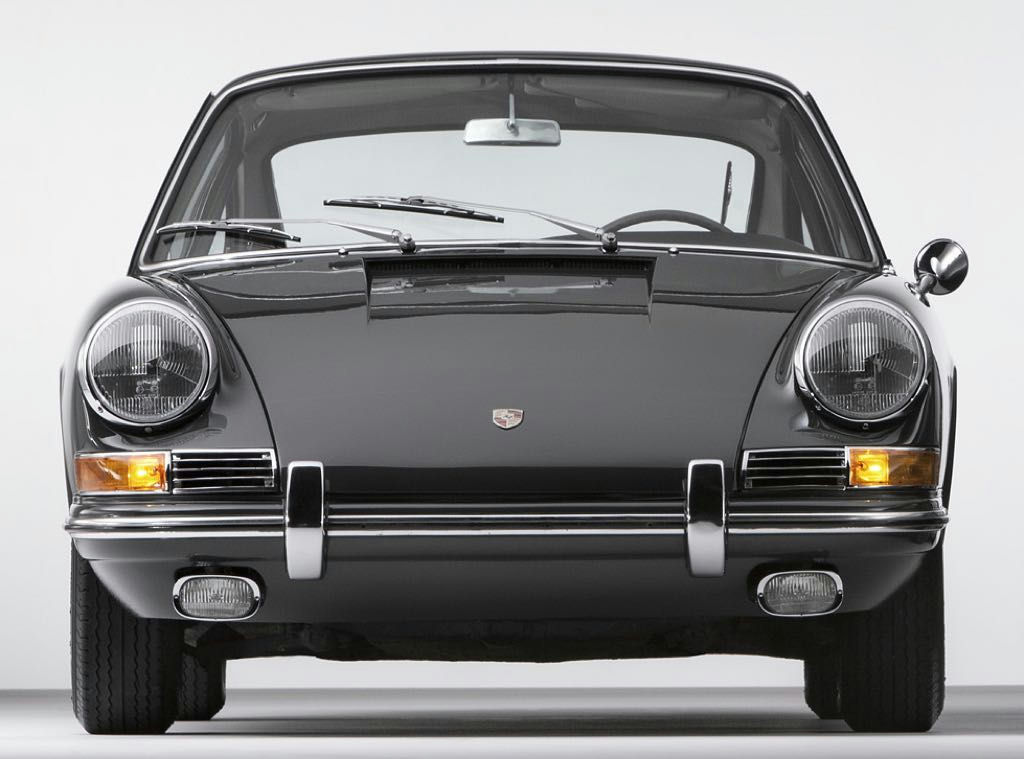
- Restoration Title
- Value of Porsche 911 1964–1989 After Restoration
Overview
The Porsche 911, a symbol of automotive excellence, was first introduced in 1964 and has become one of the most iconic sports cars in history. This era, spanning from 1964 to 1989, includes models that have captivated enthusiasts with their distinctive design, engineering prowess, and thrilling performance. The air-cooled engines, rear-engine layout, and timeless silhouette define these classic 911s. The early models, like the 911 Carrera RS and the Turbo (930), are especially revered, often hailed for their precision and driver-focused experience. As the years progressed, technological advancements such as improved suspension systems, fuel injection, and more robust engines elevated the driving dynamics and comfort. Restoring these vintage Porsches requires meticulous attention to detail and a deep appreciation for their heritage. From bodywork to mechanical components, the restoration costs vary widely, dependent on the model's condition, rarity, and authenticity.
Factors content
Condition of the Vehicle
- The initial state of the Porsche, including rust, previous modifications, and general wear, significantly impacts restoration costs.
Originality and Authenticity
- Restoring to original specifications usually requires sourcing rare and authentic parts, which can be expensive.
Labor and Expertise
- The cost of skilled labor varies depending on the complexity of restoration and the experience level of the professionals involved.
Parts Availability
- Finding rare parts for older models can increase costs, as some may need to be custom-made or imported.
Paint and Bodywork
- High-quality paint jobs and body repairs require significant time and materials, affecting the overall budget.
Mechanical Components
- Rebuilding or replacing the engine, transmission, and other mechanical aspects involves both parts and labor expenses.
Levels Content
Cosmetic Refresh
- Involves basic cleaning, minor bodywork, and repainting.
- Typically includes refurbishment of interior features like upholstery and dashboard.
- Does not generally address mechanical systems unless necessary.
- Lowest cost level of restoration.
Partial Restoration
- Focuses on both appearance and operational functionality.
- Involves selective mechanical work such as engine tuning and brake replacement.
- Interior restoration is more comprehensive compared to a cosmetic refresh.
- Ranges from moderate to higher costs depending on specific needs.
Full Restoration
- A meticulous process aiming to restore the vehicle to its original condition.
- Includes complete disassembly and thorough examination of all components.
- Involves significant mechanical overhauls of the engine, transmission, and suspension.
- Entails both exterior bodywork and a complete interior refurbishment.
- Represents the highest cost but ensures optimal performance and aesthetics.
Cost breakdown content
Engine and Transmission
Restoring the engine and transmission of a Porsche 911 from the 1964–1989 era can be one of the most expensive aspects of the process. Depending on the condition of the current engine, a full rebuild can cost between $10,000 to $15,000. This includes parts such as pistons, valves, bearings, and seals. The transmission rebuild, whether manual or automatic, can add another $4,000 to $6,000, depending on whether or not it needs new gears or synchros.
Body and Paint
Addressing rust, dents, and the general condition of the bodywork is crucial. Costs here can vary significantly based on the level of corrosion and body damage. Basic bodywork and painting can range from $15,000 to $25,000 for a quality, professional job. If significant rust repair or classic spot welding is required, it may increase the cost by another $5,000 to $10,000.
Interior Restoration
The interior restoration costs depend largely on the materials used and the condition of the existing elements. Reupholstering seats, replacing carpets, restoring the dashboard, and other details can run from $5,000 to $10,000. If the interior components like the dashboard or instrument panels need replacement, it could add an additional $2,000 to $4,000.
Suspension and Brakes
Rebuilding the suspension and brakes of a vintage Porsche 911 ensures safe, modern driving dynamics. Replacing worn-out bushings, shock absorbers, and brake components such as discs and pads typically costs between $3,000 to $6,000. If major suspension parts like control arms or torsion bars need replacing, the costs might rise by an extra $2,000.
Electrical and Lighting
Updating the electrical system, including wiring and lighting, can modernize the vehicle while ensuring reliability. This can range between $2,000 and $4,000, based on the extent of the work needed. An upgrade to the stereo system or the addition of modern conveniences such as a navigation system could add $1,000 to $2,000 in additional costs.
Miscellaneous Costs
These include anything from replacing seals and weatherstripping to miscellaneous hardware and trim details. Budgeting between $2,000 and $5,000 for miscellaneous costs is advisable to cover those unexpected surprises often found during restoration.
Approximate Total Cost
When considering all these component costs, the total cost for a thorough restoration of a Porsche 911 from the 1964–1989 range can vary significantly but generally fall within the $45,000 to $80,000 range. This estimate can rise with more extensive restorations, personalization, or high-cost parts.
Tips content
Plan Your Restoration
- Outline the project stages before beginning to avoid unnecessary work.
- Identify which parts absolutely need replacement and which can be restored or reused.
- Set a realistic budget from the start and prioritize tasks accordingly.
Source Parts Wisely
- Consider purchasing parts from reputable online suppliers or swap meets to save on costs.
- Join Porsche enthusiast forums or local clubs to find good deals on parts or advice on where to source them.
- Look into OEM vs. aftermarket parts; sometimes, quality aftermarket options can offer savings without sacrificing quality.
DIY Where Possible
- Take on simpler tasks yourself to save on labor costs, such as interior repairs or minor mechanical work.
- Invest in a good set of tools and repair manuals specific to your model year.
- Follow online tutorials and guides for step-by-step assistance.
Choose the Right Specialists
- Research and select specialized mechanics who have experience with Porsche 911s to avoid costly errors.
- Get multiple quotes to ensure you are getting a fair price for services.
- Establish a good relationship with a trusted automotive expert who can provide guidance throughout the process.
Use Patina to Your Advantage
- Recognize the value in keeping certain original aspects that add character, known as "patina."
- Wear and age appropriate to the car’s history can enhance its value and reduce material costs.
- Avoid unnecessary cosmetic alterations that don't contribute to the car's authenticity or performance.
Maintain Regularly
- Adopt a preventive maintenance routine to avoid future costly restorations.
- Inspect and maintain important components regularly to prolong their life.
- Document all maintenance and restoration work to keep track of what has been done and what is needed.
Value content
Value After Restoration
The restoration of a Porsche 911 from the classic era, spanning 1964 to 1989, can significantly enhance its market value, offering a notable return on investment (ROI) to enthusiasts and collectors. The market value after restoration largely depends on several factors including the model year, rarity, quality of restoration, and current market trends. Generally, a well-restored classic Porsche 911 can command high prices in the collector’s market.
- Market Value Increase: A fully restored 1964 Porsche 911, which is among the earliest models, can see its value increase substantially. According to Hagerty's valuation tools and various market analyses, a concours-quality restoration of these early models could push values to over $200,000, depending on its originality and provenance.
- Common Models ROI: For more common models from the late 1970s to mid-1980s, such as the 911 SC or the Carrera, a complete restoration might see their value increase to between $60,000 and $100,000. These models, in excellent condition, can provide a reasonable ROI for restorers, especially given the initial lower purchase costs.
- Rarity and Special Editions: Limited edition models such as the 1973 Carrera RS or any of the Turbo variants from this era can fetch significantly higher prices. For instance, a restored 1973 Carrera RS could reach prices upwards of $500,000, reflecting their rarity and desirability among collectors.
- Quality of Restoration: The potential ROI also heavily relies on the quality of the restoration. A high-quality, faithful restoration that preserves the vehicle's originality tends to yield higher returns. Professional restorations that include certified Porsche parts might attract higher market valuations compared to amateur, less authentic restorations.
- Market Trends: Current market dynamics also play a critical role. The rising trend in the value of classic sports cars, especially iconic models like the Porsche 911, suggests a favorable market for sellers post-restoration. However, market fluctuations should always be considered as they can affect the potential ROI.