Pontiac Trans Am Restoration Costs: 1970–1976 Models
The Pontiac Trans Am series from 1970 to 1976 represents an iconic era in American muscle car history, known for its high performance and distinctive styling. Emerging as a performance package for th…
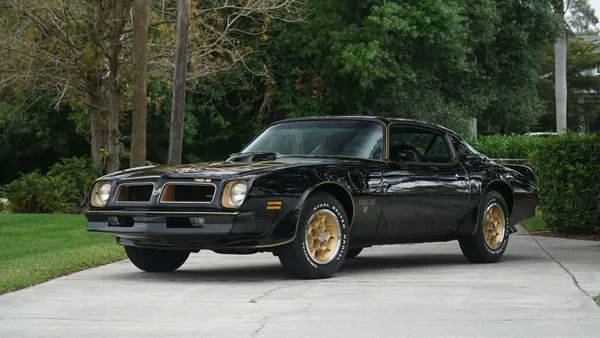
- Restoration Title
- Value of Pontiac Trans Am 1970–1976 After Restoration
Overview
The Pontiac Trans Am series from 1970 to 1976 represents an iconic era in American muscle car history, known for its high performance and distinctive styling. Emerging as a performance package for the Pontiac Firebird, the Trans Am gained fame for its aggressive design, featuring a unique front end, aerodynamic splitters, and bold body graphics. Known for their powerful V8 engines, these models delivered impressive horsepower, which, combined with advanced suspension systems, provided superior handling capabilities. As these cars reached mainstream popularity in the '70s, they became emblematic of the period's automotive enthusiasm, thanks in part to appearances in movies and pop culture. Today, the 1970–1976 Trans Am models are highly sought after by enthusiasts and collectors, who value their historical significance and performance attributes. This strong demand significantly influences the restoration costs, as original parts can be rare and expensive, and professional expertise is often required to maintain authenticity and performance.
Factors content
Rarity and Originality
- Restoration costs can vary significantly based on the rarity of the specific Pontiac Trans Am model.
- Models with rare factory options or those produced in low numbers often require more expensive original parts, driving up restoration costs.
- The desire to maintain originality, using OEM parts instead of aftermarket alternatives, can also increase expenses.
Condition of the Vehicle
- The initial condition of the Trans Am plays a critical role in determining restoration costs.
- Vehicles with significant rust, body damage, or missing parts require more extensive work and materials, adding to the overall cost.
- The mechanical state, such as engine and transmission health, also affect expenses, with replacement or rebuild often being costly.
Level of Restoration Desired
- Costs vary depending on whether a full concours, partial, or driver-quality restoration is desired.
- Full restorations aimed at achieving showroom condition are typically more expensive due to the meticulous attention to detail required.
- Partial restorations or those targeting functionality, rather than aesthetics, may be less costly but still entail significant investment.
Labor and Expertise
- The choice of using a professional restoration shop versus a DIY approach impacts overall expenses.
- Professional restorers with expertise in classic Pontiacs can provide high-quality work but usually at a higher labor cost.
- Complex restoration tasks often require specialized skills, contributing to higher costs if outsourced.
Geographical Location
- Costs are influenced by the geographical location where the restoration is undertaken.
- Areas with higher costs of living or those distant from parts suppliers may see increased prices for labor and materials.
- Availability of specialists familiar with Trans Am models can vary regionally, affecting the choice and cost of expertise sought.
Parts Availability and Sourcing
- The availability of original parts can greatly influence restoration costs.
- Scarcity of specific parts may lead to higher prices or the need to search extensively, adding to time and cost.
- Some parts may require custom fabrication if they are no longer readily available, increasing the restoration expense.
Levels Content
Driver-Level Restoration
- This level aims for basic functionality and aesthetic appeal, without extensive modifications or complete overhauls.
- Often involves essential mechanical repairs to ensure the car runs well and meets safety standards.
- May include partial repainting or touch-ups and interior refurbishments like reupholstering seats.
- Estimated costs can range from $10,000 to $20,000, depending mainly on parts and labor for minor repairs.
Show-Quality Restoration
- This level is more comprehensive and focuses on returning the car to its original factory condition, often using authentic parts.
- Includes a complete disassembly of the vehicle, with attention paid to restoring the bodywork and detailing the engine bay.
- Interior restoration is meticulous, often involving new carpeting, upholstery, and restoring dashboard components to like-new condition.
- Costs for show-quality restoration typically range between $40,000 and $75,000, reflecting the detailed and time-intensive work involved.
Concours-Level Restoration
- The most exhaustive level, aimed at achieving a condition as close to or better than the original showroom release, often for car shows and competitions.
- Entails a top-to-bottom restoration, with a focus on authenticity and finishing that matches or exceeds factory standards.
- May involve expert craftsmanship, rare parts sourcing, and adherence to the original specifications of materials and finishes.
- Costs can soar above $100,000, as this restoration demands precision, high-quality materials, and extensive labor.
Cost breakdown content
1. Body and Paint Work
Restoring the body of a 1970-1976 Pontiac Trans Am involves addressing any rust, dents, or damage that has accumulated over the years. Sandblasting or media blasting may be necessary to remove old paint and rust, which can cost between $1,000 and $2,500. Afterward, any metalwork, panel replacement, or dent removal must be done, costing an additional $2,000 to $5,000 depending on extent. Finally, a quality paint job can range from $3,000 to $10,000 for a showroom finish.
2. Engine Rebuild
A full engine rebuild for a classic Trans Am could cost between $3,000 and $6,000. This involves machining, new pistons, rings, bearings, and gaskets. If performance upgrades are desired, such as upgraded carburetors or camshafts, this could add another $500 to $1,500 to the total.
3. Transmission Overhaul
Restoring the transmission can cost between $1,500 and $3,000, depending on whether it's a manual or automatic. This includes the replacement of worn-out gears, synchronizers, and seals, with performance parts adding an additional $300 to $800 if desired.
4. Interior Restoration
Restoring the interior of a Trans Am might range from $2,000 to $5,000. This includes seats, carpeting, headliner, and dash restoration. Upholstery can cost between $1,000 and $2,000, while a replacement dashboard and new carpets could add another $800 to $1,500.
5. Suspension and Steering
Updating or restoring the suspension and steering components is crucial for safety and handling. Costs can run from $1,500 to $3,000, covering shocks, bushings, tie rods, and control arms. If high-performance suspension parts are chosen, this can increase costs by $500 to $1,000.
6. Brake System
Restoring the brake system is essential. Rebuilding brake calipers, replacing rotors, pads, and upgrading to stainless steel lines can cost $1,200 to $2,500. Upgrading to a more modern braking system may add another $800 to $1,200.
7. Electrical System
Rewiring the entire car and restoring all electrical components, such as the alternator, starter, and lighting systems, can cost between $1,500 and $2,500. Adding modern conveniences like updated stereo systems or air conditioning will add more based on spec.
8. Wheels and Tires
Replacing or restoring wheels and tires can range from $800 to $2,500. Original-style wheels may need refurbishment, costing $600 to $1,200, while new tires can add $400 to $1,300 depending on brand and performance specification.
Total Approximate Cost
Considering all the above components, the total cost of restoring a 1970-1976 Pontiac Trans Am can range from $16,000 to $42,000, depending on the level and quality of restoration pursued.
Tips content
Develop a Detailed Plan
- Before starting the restoration project, develop a detailed plan that outlines the necessary tasks, parts, and services required. This will help in creating a realistic budget and identifying areas where you can save costs.
- Research online forums, Pontiac Trans Am clubs, and restoration guides to gather insights on what others have done and potential pitfalls to avoid.
Prioritize Essential Repairs
- Focus on safety and essential repairs first. Assess the condition of key components like brakes, suspension, and engine and address these before moving to aesthetic aspects.
- This approach ensures your budget is allocated to critical areas and prevents more costly repairs later on.
Sourcing Used or Reproduction Parts
- Consider buying used or reproduction parts from reputable suppliers. Many companies specialize in affordable reproduction parts that offer quality similar to original parts.
- Visit salvage yards, online marketplaces, and classic car swap meets to find deals on parts that might be costly when new.
Tackle DIY Projects When Possible
- Identify tasks that can be done yourself. With the right tools and instruction—available via online tutorials or in classic car forums—tasks like interior refurbishing or minor mechanical repairs can be done at home.
- This can dramatically cut labor costs, which often account for a significant portion of restoration expenses.
Partner with Local Enthusiasts
- Join a local Pontiac or classic car club. Members can offer advice, lend tools, or even help with labor on your restoration project in exchange for similar help.
- These connections can provide both financial savings and valuable knowledge sharing.
Choose a Skilled Specialist Over Large Shops
- If professional help is needed, opt for a small, reputable local expert rather than a large restoration shop. Smaller businesses might offer more competitive rates and detailed personal attention.
- Check references and previous work to ensure the specialist maintains high quality standards despite lower costs.
Reuse and Restore Existing Parts
- Whenever possible, restore existing parts rather than replacing them. This is not only cost-effective but also retains more of the car’s authenticity.
- Common restorations include cleaning and refurbishing chrome trim, reupholstering the interior, and refinishing the original wheels.
Value content
Determining the Potential Return on Investment (ROI)
When considering the potential return on investment (ROI) for a restored 1970–1976 Pontiac Trans Am, numerous factors come into play. Chief among them is the initial purchase price, cost of restoration, and the market demand for these cars. Generally, these models can be purchased in unrestored condition for anywhere from $7,000 to $30,000, depending on their state and rarity. The restoration process itself can cost upwards of $25,000 to $60,000, depending on the level of authenticity and detail desired. Together, the total investment could range from $32,000 to $90,000.
Market Value of Restored 1970-1976 Models
The market value of a restored Pontiac Trans Am from the 1970–1976 era can vary considerably, influenced by factors such as model year, engine type, rarity, and condition. A well-restored Trans Am can fetch anywhere from $40,000 to $100,000 at auctions or private sales. In exceptional cases, particularly for rare models or those with significant historical value, prices can soar beyond these figures.
Factors Influencing the Restored Value
- Year and Model: Special editions or models with higher horsepower and rare features are more valuable.
- Condition: Authentic restorations with original or matching numbers can significantly increase the car's value.
- Market Trends: Popularity of classic cars, especially muscle cars, can affect the market price significantly. The demand for 1970s muscle cars has been on the rise, influencing higher returns on investment.
- Quality of Restoration: High-quality restoration done by reputable professionals can enhance the market value, akin to a museum-quality piece.
Conclusion on Potential Profits
Investors and enthusiasts should aim for a comprehensive restoration that maximizes authenticity and appeal to potential buyers. A well-executed project can potentially yield returns that not only cover the initial costs but also provide a considerable profit margin, contributing to an attractive investment opportunity in the classic car market. Depending on the accuracy of the restoration and the timing of the sale, owners could see a return of 20% or more on their total investment.