Plymouth Road Runner Restoration Costs: 1968–1980 Models
The Plymouth Road Runner , produced from 1968 to 1980 , is an iconic American muscle car renowned for its blend of raw power and affordability. Conceived by Plymouth as a high-performance yet budget-…
- Restoration Title
- Value of Plymouth Road Runner 1968–1980 After Restoration
Overview
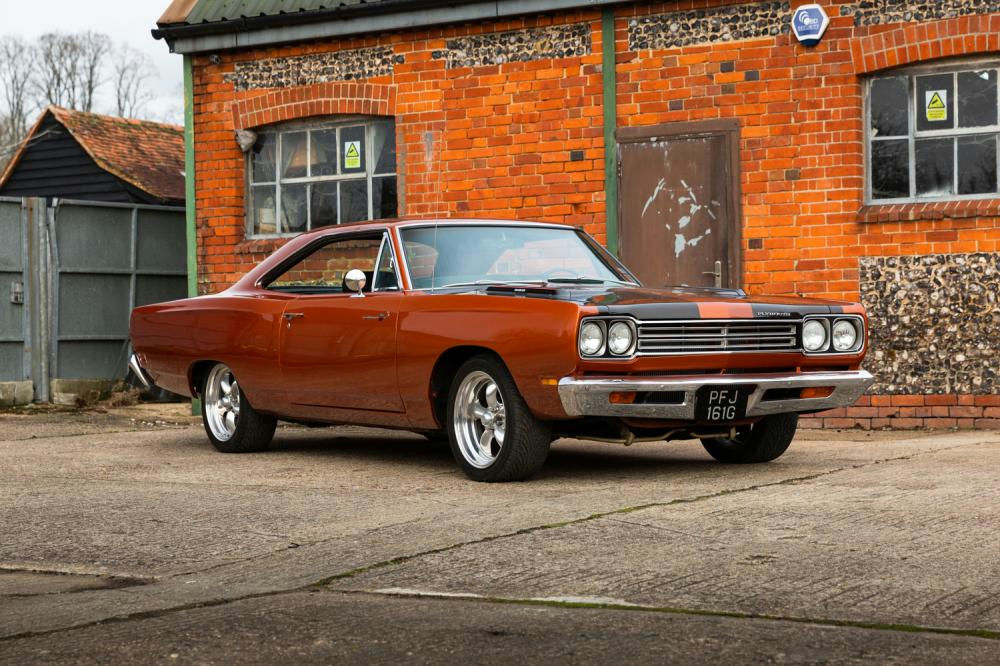
The Plymouth Road Runner, produced from 1968 to 1980, is an iconic American muscle car renowned for its blend of raw power and affordability. Conceived by Plymouth as a high-performance yet budget-friendly alternative to its upscale sibling, the GTX, the Road Runner epitomized a back-to-basics approach that celebrated performance over luxury. Its introduction in 1968 featured a powerful 383 cubic-inch V8 engine, and by 1969, Plymouth offered the legendary 426 HEMI as an optional upgrade. Throughout its production years, the Road Runner underwent several transformations, notably in styling and performance components, reflecting broader trends in the automotive industry. These years saw the rise of emissions regulations and fuel crises which influenced car design. Enthusiasts seeking to restore these treasured vehicles often encounter challenges due to the scarcity of original parts and the meticulous craftsmanship required, underscoring the importance of understanding restoration costs.
Factors content
Original Condition and Rarity
The initial state of the Plymouth Road Runner can significantly impact restoration costs. A vehicle that is largely intact and has well-preserved original components will generally require less investment compared to one that has suffered from extensive wear or damage. Furthermore, rare models or versions with limited production numbers can demand more in terms of restoration due to the scarcity of parts.
Parts Availability and Quality
- New Old Stock (NOS) Parts: Original parts, often rare and expensive, can drive up restoration costs.
- Reproduction Parts: More affordable but might not offer the same authenticity as NOS parts.
- Fabricated Parts: Necessary for rarer models and generally higher labor costs.
Labor and Expertise
The cost of labor is another major factor. Highly skilled professionals with expertise in classic cars might charge more, but they ensure a restoration that is true to the original. Labor costs can vary significantly by region and the level of detail required.
Restoration Level and Authenticity
- Concours Restoration: Aiming for factory-new condition may require extensive resources.
- Daily Driver: Less intense and costly, focusing on functionality over original look.
Custom Modifications and Upgrades
Some restorers choose to modify or upgrade their Road Runners for improved performance or personal taste, impacting costs. Incorporating custom parts or modern technology can increase expenses significantly compared to a purely authentic restoration.
Regional Economic Variations
Location can affect availability of parts and skilled labor, with some regions having more specialists and resources dedicated to classic car restoration. These local economic factors inevitably influence the final restoration cost.
Project Duration and Complexity
Longer restoration projects can incur increased labor and storage costs. Detailed and complex restorations may stretch timelines, adding further expense due to the time taken to source parts and complete specialized work.
Levels Content
Basic Restoration
- Focus on essential repairs and maintenance.
- Includes surface-level fixes: paint touch-ups, minor mechanical repairs.
- Estimated cost range: $5,000 to $15,000.
Partial Restoration
- Restore selected components like the engine or interior.
- Combination of cosmetic improvements and functional repairs.
- Estimated cost range: $15,000 to $35,000.
Full Restoration
- Complete overhaul of the vehicle, returning it to like-new condition.
- Involves comprehensive work on engine, body, interior, and additional upgrades.
- Estimated cost range: $35,000 to $100,000 or more.
Cost breakdown content
Bodywork and Paint
- Complete body panel replacement and minor rust repair: $3,000 - $7,000
- Full exterior repaint (including materials and labor): $5,000 - $12,000
- Chrome plating and refinishing: $1,500 - $3,000
Engine and Transmission
- Engine rebuilding or replacement: $4,000 - $10,000
- Transmission overhauling: $1,500 - $3,000
- Parts and labor for upgrading components (e.g., carburetor, alternator): $1,000 - $3,000
Interior Restoration
- Upholstery repair or replacement: $2,000 - $5,000
- Dashboard restoration or replacement: $800 - $2,000
- Installing new headliner, carpets, and trim: $1,000 - $3,000
Suspension and Brakes
- Full suspension rebuild: $2,000 - $4,000
- Brake system overhaul: $1,000 - $2,500
- Shock absorbers and spring replacement: $800 - $1,800
Electrical Systems
- Rewiring the entire vehicle: $1,500 - $3,000
- Replacement of lights and indicators: $500 - $1,000
- Audio and miscellaneous electronics: $800 - $1,500
Miscellaneous Costs
- Accessory restoration or replacement (e.g., badges, mirrors): $300 - $800
- Tires and rims: $1,000 - $2,000
- Professional detailing and finishing touches: $500 - $1,200
The total cost for a comprehensive restoration of a Plymouth Road Runner from 1968–1980 can range from approximately $22,200 to $61,800, depending on the extent of restoration and the specific model's condition.
Tips content
Research and Source Affordable Parts
- Join online forums and clubs dedicated to Plymouth Road Runner enthusiasts where members often trade or sell parts at reasonable prices.
- Visit swap meets and auto shows where vendors may offer discounts on parts specific to 1968–1980 models.
- Explore salvage yards and online marketplaces for refurbished or second-hand components that can be restored to like-new condition.
Do It Yourself (DIY) When Possible
- Invest in a repair manual specific to your model year to guide you through basic restoration tasks.
- Consider taking a course or watching tutorials on automotive repair to build confidence in tackling small projects.
- Purchase quality tools and slowly build a workshop at home to handle minor repairs and adjustments.
Prioritize Restoration Tasks
- Make a list of necessary repairs and upgrades and sort them in order of importance and urgency.
- Focus on essential mechanical issues first before moving on to cosmetic upgrades that are less urgent.
- Stick to a budget by tackling smaller, cost-effective projects first to ensure steady progress without significant expenditure.
Repurpose and Restore Existing Parts
- Clean and refurbish existing components such as trim, upholstery, and hardware rather than immediately seeking replacements.
- Use paint, polish, and minor repair kits to restore the appearance and function of parts that are still structurally sound.
- Seek professional services for specialized restoration tasks only when absolutely necessary, such as engine rebuilding or frame repairs.
Negotiate with Service Providers
- Get multiple quotes from different mechanics or restoration experts and negotiate to get the best price for required services.
- Bundle services to see if providers can offer a discount for multiple tasks performed in a single visit.
- Form a relationship with a trusted service provider who may offer loyalty discounts or advise on economical choices for parts and services.
Consider Partial Restorations
- Focus on protecting and preserving the vehicle's value by addressing only the most necessary elements rather than committing to a full restoration.
- Maintain originality where possible to avoid the costs associated with making extensive modifications or updates.
- Evaluate the car's current condition and decide which parts of the restoration process can be postponed until more funds are available.
Value content
Understanding Market Trends
The value of a restored Plymouth Road Runner from the 1968–1980 era can vary significantly, depending on several factors such as the year, model, engine type, and the quality of the restoration. As of 2023, the classic car market has been quite active, with Plymouth Road Runners attracting considerable attention from collectors. The market value for a well-restored Road Runner could range from $40,000 to upwards of $100,000. For instance, a 1969 Plymouth Road Runner with the 426 Hemi engine in pristine condition can fetch between $90,000 and $150,000 at auctions.
Factors Influencing Value
The restored value largely depends on the car’s originality and specification. Cars with matching numbers (where the engine, transmission, and other components match the factory records) are particularly sought after. A few other key elements affecting value include:
- **Rarity and production numbers:** Limited production models generally have higher values.
- **Engine specifications:** Higher-performance engines such as the 426 Hemi or 440 Six Pack increase desirability.
- **Condition of restoration:** The quality of restoration—body, paint, interior, and mechanical—significantly impacts market value.
- **Documented history:** Detailed maintenance and ownership records can elevate the car's value in the eyes of collectors.
Potential Return on Investment (ROI)
The potential ROI on a Plymouth Road Runner restoration depends on several factors, including initial acquisition cost, restoration expenses, and the current market conditions. Restoration costs can range from $30,000 to $100,000 or more, depending on the car's condition and the level of authenticity desired. When purchasing a project car for $10,000 to $30,000, and investing another $50,000 in restoration, the total investment might reach $80,000. Given that a fully restored example can be sold for $90,000 to $150,000, there is a potential for a positive return, often exceeding the initial investment by 10% to 50%.