Plymouth Duster Restoration Costs: 1970–1974 Models
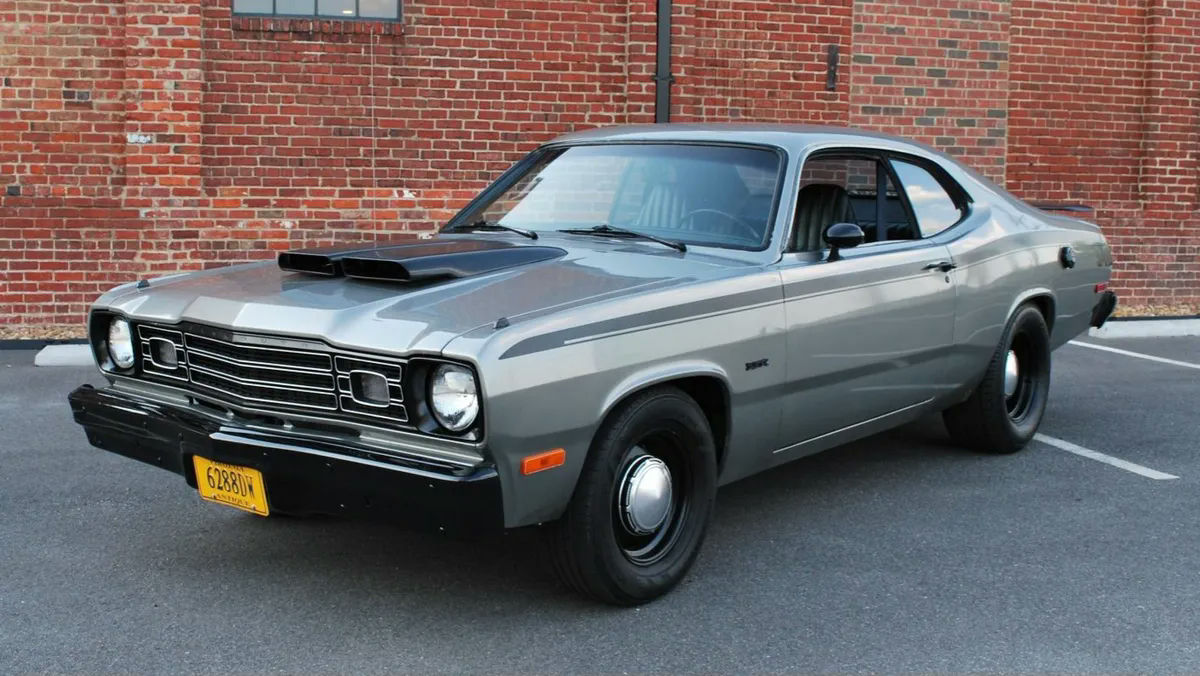
The Plymouth Duster , produced between 1970 and 1974 , is an iconic American muscle car that epitomizes the classic era of automotive design. Part of Chrysler's popular Valiant line , the Duster …
- Restoration Title
- Value of Plymouth Duster 1970–1974 After Restoration
Overview
The Plymouth Duster, produced between 1970 and 1974, is an iconic American muscle car that epitomizes the classic era of automotive design. Part of Chrysler's popular Valiant line, the Duster emerged as an affordable yet sporty option for consumers, equipped with the option for powerful V8 engines. Its aerodynamic body and distinct features like the stylish fastback roof distinguish it from its contemporaries. The Duster's role in shaping car culture of the early 70s makes it a sought-after model for restoration enthusiasts today. However, due to aging components and rarity of original parts, restoring these vehicles to their former glory can be a significant financial undertaking. Whether it's reviving the bright paintwork, refurbishing the interior, or overhauling the mechanics, understanding the unique aspects of the Duster's manufacturing history and design intricacies is crucial in appreciating both the allure and the costs associated with its restoration.
Factors content
Body Condition and Extent of Rust
- The initial condition of the car's body significantly affects costs, with extensive rust or damage requiring more expensive repairs.
- Panels, floors, and frames with corrosion will need replacement or intensive repairs, which can be costly.
Originality and Parts Availability
- Restoring a vehicle to its original condition may require sourcing original parts, which can be hard to find and expensive.
- Reproduction parts may be more readily available and less expensive but could affect the car’s final value.
Engine and Mechanical Systems
- Rebuilding or replacing the original engine and drivetrain components can involve significant expense, depending on the condition.
- Mechanical systems such as brakes, suspension, and electricals also contribute to cost variations based on their initial state.
Interior Restoration
- Restoring the interior to original specifications can be costly, especially if upholstery and trim pieces are damaged or missing.
- Authentic materials or custom fabrications can further impact restoration budgets.
Labor and Expertise
- The cost of skilled labor can vary greatly depending on the complexity of the restoration and the reputation of the workshop.
- Experienced restorers with a specialization in classic cars might charge premium rates.
Levels Content
Driver Quality Restoration
- Involves basic repairs and cosmetic improvements.
- Aim is to get the car in a condition safe and reliable for regular driving.
- Costs cover minor mechanical work, interior cleaning, and a simple paint job.
- Budget-friendly option, typically the least expensive level of restoration.
Show Quality Restoration
- Focuses on restoring the vehicle to a high standard.
- Includes extensive mechanical overhauls and attention to visual details.
- Exterior and interior are both refurbished to an impressive condition.
- Higher costs involved due to the precision and quality required.
Concours Restoration
- Aims for authenticity and factory-like condition.
- Absolutely meticulous with details, using original or OEM parts.
- The goal is often to compete in auto shows or achieve maximum value.
- Requires significant investment, often the most expensive level.
Cost breakdown content
Bodywork and Paint
- Rust Repair: $500 - $2,000
- Body Panel Replacement: $300 - $1,500 per panel
- Paint Job: $3,000 - $8,000, varies by paint quality and detail
- Chrome Refinishing: $200 - $500 per piece
Engine and Transmission
- Engine Rebuild: $2,500 - $5,000
- Transmission Repair/Rebuild: $1,000 - $3,000
- Exhaust System: $400 - $1,200
- Cooling System Overhaul: $500 - $1,500
Interior Restoration
- Upholstery: $800 - $2,500
- Dashboard Restoration: $400 - $1,200
- Carpet Replacement: $200 - $600
- Sound System: $300 - $1,000
Suspension and Brakes
- Suspension Rebuild: $500 - $2,000
- Brake System Overhaul: $500 - $1,500
- Alignment and Balancing: $100 - $300
Electrical System
- Wiring Harness: $200 - $800
- Lighting: $100 - $400
- Battery and Electrical Components: $150 - $600
Miscellaneous
- Weatherstripping: $100 - $500
- Badging and Trim: $200 - $700
- Accessory Installation: $200 - $800
Approximate Total Cost
The total restoration cost for a Plymouth Duster from 1970 to 1974 can range from $10,000 to $35,000 depending on the car's starting condition, the extent of the restoration, and personal preferences for enhancements.
Tips content
Research and Plan Ahead
- Engage in thorough research about parts and labor costs specific to the Plymouth Duster models from 1970 to 1974.
- Utilize online forums, restoration guides, and Duster enthusiast clubs to gather a list of common replacement parts and typical issues.
- Plan your restoration process step-by-step to avoid unexpected expenses.
Set a Realistic Budget
- Determine what aspects of the restoration are essential compared to what can be postponed or modified.
- Allocate budget for both anticipated and unexpected expenses. Having a contingency reserve can help absorb unforeseen costs.
Source Parts Wisely
- Search for used parts vendors, swap meets, and auction sites to find original parts at lower prices.
- Build relationships with multiple parts dealers to receive better deals and discounts.
- Consider aftermarket parts that deliver the same quality at a reduced cost.
Do-It-Yourself for Simple Tasks
- Handle less complex restoration tasks yourself, such as interior refurbishments or simple mechanical fixes, to save on labor costs.
- Take advantage of online tutorials and manuals specific to the Plymouth Duster.
Prioritize Essential Repairs
- Focus on critical repairs that affect the car’s operational safety and integrity first.
- Place cosmetic upgrades and non-essential improvements lower on the priority list to stay within budget.
Network with Other Enthusiasts
- Join local or online car clubs dedicated to vintage Plymouth models to gain insights and advice from experienced restorers.
- Leverage these networks for part swaps, group buys, or even collaborative work efforts.
Be Strategic About Outsourcing Work
- For specialized tasks like paint jobs or engine overhauls, approach professionals who specialize in vintage car restorations.
- Request multiple quotes and ask for referrals to ensure you’re getting quality work at a fair price.
Value content
Understanding Market Trends
The restored market value of a Plymouth Duster from the 1970-1974 era can significantly vary depending on several factors such as the model year, condition after restoration, and current collector demand. As of recent appraisals, a fully restored 1970-1974 Plymouth Duster can fetch anywhere between $15,000 to $40,000. However, particular models and versions, such as the Plymouth Duster 340 or a Duster with high-performance features, can command even higher prices, sometimes reaching up to $60,000 or more in the market.
Factors Influencing Value
Several factors can influence the market value and potential return on investment for a restored Plymouth Duster:
- Originality: Cars retaining more original components and parts, or those restored with original manufacturer's parts, tend to have higher market value.
- Model and Specs: Specific models like the Duster 340 or variants with unique specifications can be of higher value.
- Quality of Restoration: The level of restoration—whether it's a full frame-off restoration or a partial, cosmetic upgrade—affects valuation.
- Market Demand: The presence of a vibrant collector’s market and interest in classic muscle cars play a critical role in determining current prices.
Calculating Return on Investment (ROI)
When calculating the potential ROI from a restoration project, several key expenses must be considered:
- Purchase Price: Many project Plymouth Dusters are bought for $2,000 to $10,000.
- Restoration Costs: Depending on the scale of restoration, typical costs range from $15,000 to $30,000 or more.
- Market Value After Restoration: If a fully restored Duster sells between $15,000 to $60,000, significant variances in ROI are likely.
If you purchase a rusted project car for $5,000 and invest $20,000 in restoration, your total investment would be $25,000. If the car's market value after restoration is $40,000, the ROI would be calculated as follows:
[ \text{ROI} = \left(\frac{\text{Market Value} - \text{Total Investment}}{\text{Total Investment}}\right) \times 100 = \left(\frac{40,000 - 25,000}{25,000}\right) \times 100 = 60% ]
Thus, strategic purchasing and efficient restoration can yield a positive ROI, potentially making classic car restoration a rewarding venture.