Plymouth Barracuda Restoration Costs: 1964–1974 Models
The Plymouth Barracuda, produced from 1964 to 1974 , is an iconic American muscle car known for its unique design and performance. Initially launched as a fastback variant of the Valiant, the Barracu…
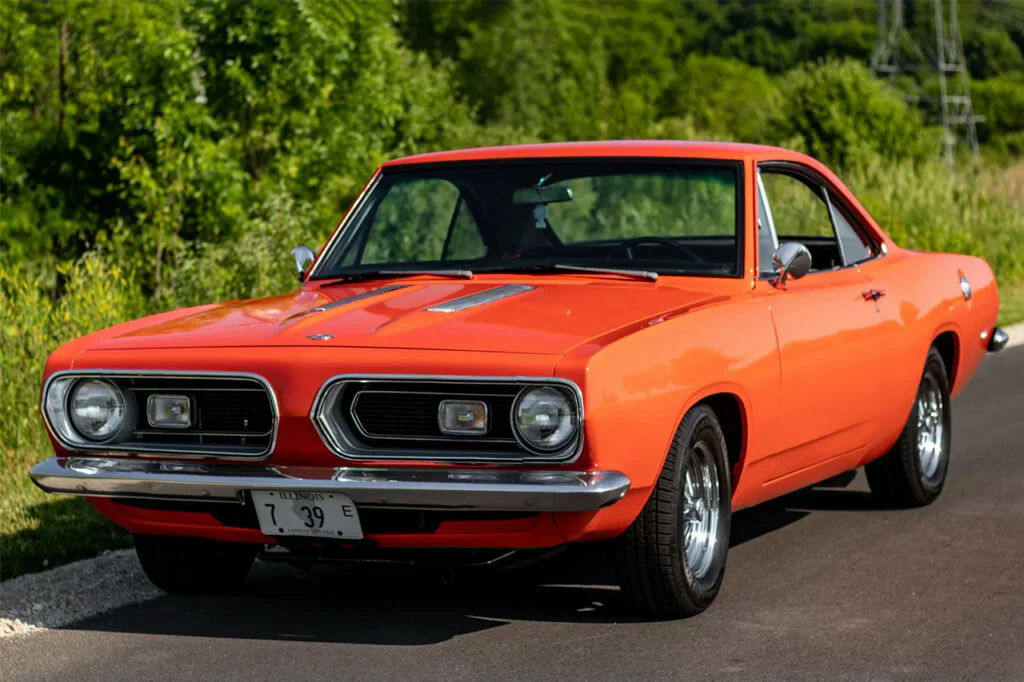
- Restoration Title
- Value of Plymouth Barracuda 1964–1974 After Restoration
Overview
The Plymouth Barracuda, produced from 1964 to 1974, is an iconic American muscle car known for its unique design and performance. Initially launched as a fastback variant of the Valiant, the Barracuda evolved significantly over its decade-long production. The first generation (1964–1966) introduced the distinctive wraparound glass and offered a variety of engine choices, catering to a wide range of enthusiasts. The second generation (1967–1969) saw the car transition into a more muscle-oriented vehicle, with more powerful engine options like the Formula S 383 Super Commando V8. The third generation (1970–1974) marked the Barracuda's most renowned phase, featuring the iconic 'Cuda models with high-performance Hemi and 440 engines. Due to their rich history and popularity, restoring these models often involves significant costs, reflecting not only the car's condition but also the availability of original parts and the desired level of authenticity. These factors contribute to the overall investment required for a Barracuda restoration project.
Factors content
Condition of the Vehicle
The starting condition of the Plymouth Barracuda significantly impacts restoration costs. Vehicles that are heavily rusted or have substantial body damage will require more extensive work, including replacement panels and significant labor, leading to higher costs. Conversely, cars in better condition may only need superficial work, reducing expenses.
Availability of Parts
Finding parts for a classic car like the Barracuda can be challenging, especially for rare models or specific components. The rarity and demand for original or authentic parts drive up prices. Restorers may need to consider reproduction parts or custom fabrication, which can also influence cost.
Level of Restoration
The intended level of restoration—whether a full concours restoration or a simple driver restoration—affects costs. A concours restoration, aiming for like-new factory conditions, requires higher detail, more expensive materials, and expert labor, thus increasing the price. Conversely, a driver restoration focuses on making the car functional and aesthetically pleasing without necessarily matching factory specifications.
Labor and Expertise
Labor costs vary depending on the location and the expertise of the restoration shop. A highly skilled professional shop with a reputable track record may charge higher rates, but they offer precision and quality. Less experienced labor may cost less but could result in longer timelines and potential compromises in quality.
Paint and Finish
The cost of repainting a Barracuda depends on the quality and type of paint used. A basic paint job will cost less, while a high-quality finish with multiple layers and clear coats not only enhances the car’s appearance but significantly increases the price. Specialized colors or factory-original shades also contribute to higher costs.
Interior Restoration
Restoring the interior of a Plymouth Barracuda involves upholstery, dashboard components, and trim work. The costs vary based on the materials chosen (e.g., leather versus vinyl) and the complexity of work required. Authentic reproductions of original interiors are often more costly than custom or generic replacements.
Mechanical Systems
Restoring mechanical systems, including the engine, transmission, brakes, and suspension, can be one of the most significant expenses. Outdated systems may require modernization for safety and performance, adding to the cost. The desired performance level, whether stock or enhanced, also influences the investment needed.
Levels Content
Understanding Restoration Levels
To effectively plan a restoration project for your Plymouth Barracuda, it’s important to understand the different levels of restoration available. Each level has its own set of goals, processes, and corresponding costs. This section outlines these levels, so you can better gauge what fits your aspirations and budget.
Driver Quality Restoration
- This level focuses on making the Barracuda roadworthy and aesthetically pleasing without aiming for perfection.
- Common tasks may include basic mechanical repairs, minor bodywork, and some interior refurbishing.
- Costs are generally lower, making it a feasible option for those who want a functional car with a polished look.
Street Show Restoration
- A step above driver quality, this level takes into account both aesthetics and performance enhancements.
- It involves more detailed bodywork, higher quality paint, and upgraded mechanical components.
- Costs are moderate, appealing to those who want a showstopper at local car events without breaking the bank.
Concours Restoration
- This is the most comprehensive and costly level, aiming to bring the Barracuda to pristine, factory-original condition.
- It requires meticulous attention to detail, sourcing authentic parts, and often involves a complete rebuild of every component.
- This level is suited for purists who intend to enter their vehicle in top-tier car shows.
Cost breakdown content
Bodywork and Paint
- Rust Repair: Repairing body rust, especially in older vehicles, can range from $1,000 to $15,000 depending on severity.
- Paint Job: A quality paint job, which includes stripping old paint, priming, and applying a new finish, is approximately $3,000 to $10,000.
- Body Panel Replacement: Replacing damaged or rusted panels averages between $500 to $2,500 per panel.
Engine and Transmission
- Engine Rebuild: Depending on the engine's condition, a rebuild can range from $4,000 to $8,000.
- Transmission Overhaul: Rebuilding or replacing a transmission typically costs $1,500 to $3,500.
- Exhaust System: Installing a new exhaust system might cost between $500 and $2,000.
Suspension and Brakes
- Suspension Overhaul: Restoring the entire suspension system will range from $1,000 to $3,000.
- Brake System: Upgrading or replacing brakes generally costs $500 to $1,500.
- Steering Components: Replacing steering elements can be $500 to $1,500.
Interior Restoration
- Upholstery: New upholstery installation ranges from $1,000 to $3,000, dependent on materials used.
- Dashboard and Instrument Panel: Restoring dashboards and panels typically costs $800 to $2,000.
- Carpeting: Replacing carpeting will likely be around $500 to $1,200.
Electrical and Wiring
- Wiring Harness: Many restorations require new wiring, costing between $500 and $2,500.
- Lighting and Electrical Components: Replacing or repairing all electrical elements may range $300 to $1,000.
Miscellaneous Costs
- Glass Replacement: Replacing windows can run between $500 and $1,500.
- Emblems and Trim: Restoring or replacing can cost $200 to $1,000.
The total cost for a complete restoration of a Plymouth Barracuda from 1964-1974 models can range significantly based on initial vehicle condition and the extent of restoration desired, typically costing between $20,000 and $70,000.
Tips content
Research and Plan Thoroughly
- Investigate parts suppliers and restoration services online; compare prices and reviews.
- Join forums and social media groups focused on Plymouth Barracuda enthusiasts to gain insights on affordable suppliers.
- Establish a detailed plan with cost estimates for each component of the restoration project to avoid unforeseen expenses.
Source Affordable Parts
- Consider purchasing used or refurbished parts from reliable sources such as online marketplaces or automotive swap meets.
- Establish relationships with salvage yards that may offer rare parts for the Barracuda at a fraction of the cost of new ones.
- Buy parts in bulk for potential discounts, especially for commonly used items such as nuts, bolts, and wiring.
Perform DIY Tasks When Possible
- Undertake simple tasks such as stripping paint, cleaning parts, or performing minor repairs to cut down on labor costs.
- Attend workshops or online courses to develop essential skills needed for tasks like minor bodywork or upholstery.
- Invest in a comprehensive manual or video guide specifically for the Barracuda to assist with DIY tasks.
Opt for Gradual Restoration
- Instead of a full restoration all at once, break down the project into smaller, affordable stages.
- Allocate budgets to specific phases of restoration, such as mechanical repairs before cosmetic enhancements.
- Prioritize the restoration of essential parts that affect performance and safety, allowing for phased cosmetic improvements.
Seek Expert Guidance
- Consult with experienced restorers or join local car clubs for guidance and potentially discounted services.
- Utilize professional consultation for critical evaluations, especially for tasks requiring precision or specialized equipment.
- Avoid costly mistakes by seeking advice or hiring experts for complex restoration tasks beyond your expertise.
Reuse and Recycle
- Evaluate the condition of existing parts to determine if they can be restored instead of replaced.
- Consider refurbishing original parts like interior fittings or trim, as these often retain more value than replacements.
- Repurpose materials from other sources, such as leftover paint or parts from similar models, to reduce new purchases.
Value content
Understanding Market Trends
For those considering the restoration of a Plymouth Barracuda from the 1964–1974 models, understanding current market trends is crucial to determining potential ROI. In recent years, classic car auctions have shown a steady increase in the value of well-restored Barracudas. Depending on the model year and specific features, a Plymouth Barracuda that has undergone a full restoration could fetch anywhere from $50,000 to over $150,000 at auction. Notably, models that are part of limited production runs or those equipped with high-performance engines, such as the 1970 AAR 'Cuda or the Hemi models, often achieve the upper end of this range and sometimes even exceed it.
Factors Influencing Market Value
Several factors influence a restored Plymouth Barracuda's market value:
- Authenticity: Maintaining original specifications and using period-correct parts can have a significant impact on value. Collectors generally pay a premium for cars that retain their original engines, interiors, and features.
- Model Year and Rarity: Certain model years, especially those in limited production, like the 1971 Hemi 'Cuda convertible, are significantly more valuable. The rarity can drive prices up substantially.
- Condition of Restoration: The quality of the restoration itself is paramount. Professional, high-quality restorations that adhere to factory specifications often result in higher market prices.
- Aftermarket Modifications: While some modifications can devalue a classic restoration, tasteful, period-appropriate upgrades in areas such as safety or powertrain efficiency might enhance interest without negatively affecting value.
Estimating Return on Investment
The ROI on a restored Plymouth Barracuda can be significant but varies based on several restoration specifics, initial purchase price, and sale outcome. A general estimate might see an original restoration cost between $30,000 to $70,000, which incorporates parts, labor, and unforeseen expenses. Thus, if the vehicle sells for $80,000 at auction, the ROI could be between 14% and 63%, depending on the initial investment. However, those undertaking restoration should consider it a labor of love, with potential profitability a secondary benefit. As the market demand continues to increase, particularly for muscle cars in impeccable condition, the investment appeal of these vintage gems is expected only to strengthen.