Oldsmobile 442 Restoration Costs: 1964–1970 Models
The Oldsmobile 442 , produced between 1964 and 1970 , represents a pinnacle of American muscle car history. Initially introduced as an option package for the F-85 and Cutlass models in 1964, it evolv…
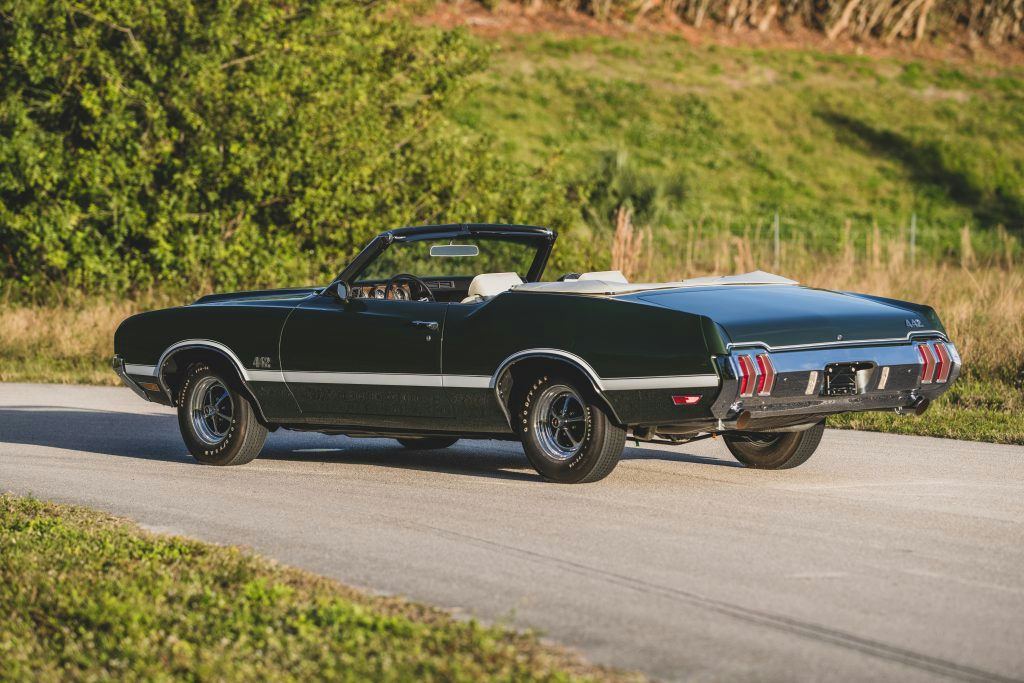
Restoration Title: Value of Oldsmobile 442 1964–1970 After Restoration
Overview
The Oldsmobile 442, produced between 1964 and 1970, represents a pinnacle of American muscle car history. Initially introduced as an option package for the F-85 and Cutlass models in 1964, it evolved into its own robust lineup by 1968, reflecting the era's demand for powerful vehicles. The 442 stands for the combination of a 4-barrel carburetor, 4-speed manual transmission, and dual exhausts, although these specifications varied over the years. Throughout the six-year span, various models showcased unique combinations of V8 engines, ranging from 330 to 455 cubic inches, which contributed to its renowned performance and iconic status. The classic styling and performance-oriented features have made these models highly sought after among collectors today. Understanding the historical significance and design elements underscores the complexity and potential costs involved in restoring these classic vehicles to their former glory.
Join the AutoFame community. Become a member for free, add your car to the garage and tell its story. Join AutoFame.
Factors content
Condition of the Vehicle
The starting condition of the Oldsmobile 442 affects restoration costs significantly. A vehicle in fair shape may need less bodywork, whereas one in poor condition might require extensive repairs.
Availability of Parts
The rarity of specific parts for models produced between 1964 and 1970 can drive up costs. Sourcing original parts can be both time-consuming and expensive.
Level of Restoration Desired
The extent to which an owner wishes to restore a vehicle—whether to showroom condition or for daily use—will impact costs. Concours-level restorations necessitate higher investments.
Labor Costs
Labor is one of the most significant factors, as specialized mechanics familiar with vintage vehicles might charge premium rates for their expertise.
Geographical Location
The cost of restoration can vary widely depending on the geographical location of the workshop, with urban areas typically being more expensive than rural locations.
Customization and Upgrades
Custom features or performance upgrades can add significantly to restoration expenses, especially when balancing historical accuracy with modern enhancements.
Levels Content
Driver-Level Restoration
This level focuses on making the vehicle operational and presentable for regular use.
Emphasis is placed on reliable performance and functional systems over visual perfection.
Costs range from basic repairs like engine tuning and brake jobs to mild cosmetic touch-ups.
Expect to invest between $10,000 and $30,000, depending on starting condition and specific needs.
Show-Level Restoration
Aim is to restore the Oldsmobile 442 to showroom condition, focusing on aesthetics and authenticity.
Includes high-quality paint jobs, detailed interior work, and sourcing period-correct parts.
Greater emphasis on original specifications and detail-oriented craftsmanship than driver-level.
Budget may span from $30,000 to $70,000 or more, contingent on rarity and initial state.
Concours-Level Restoration
Highest standard of restoration for the Oldsmobile 442, primarily for display and competition.
Demands exacting attention to detail; every component must meet the original factory specifications.
Includes meticulous bodywork, upholstery, and mechanical components down to bolts and fasteners.
Costs can exceed $100,000, reflecting the extensive labor and parts sourcing required.
Cost breakdown content
Bodywork and Paint
Complete Paint Job: $3,000 - $10,000 depending on the quality of paint and craftsmanship.
Rust Repair and Metalwork: $500 - $4,000, varying by severity of rust and required sheet metal replacement.
Bumper Restoration and Chroming: $400 - $1,200 for each bumper, based on the extent of restoration needed.
Engine and Transmission
Engine Rebuilding: $2,500 - $7,500 depending on extent of rebuild and performance enhancements.
Transmission Overhaul or Replacement: $1,500 - $4,000 influenced by condition and type (manual vs. automatic).
Gasket and Seals Replacement: $200 - $1,000, crucial for preventing leaks and maintaining efficiency.
Interior Restoration
Upholstery Refurbishment: $1,000 - $3,500 for seats, door panels, and headliner restoration.
Dashboard and Instrument Cluster: $600 - $2,000 for restoring or replacing components.
Carpeting and Flooring: $400 - $1,200, inclusive of sound deadening and insulation materials.
Suspension and Brakes
Suspension Rebuilding: $800 - $2,500, including bushings, shocks, and control arms.
Brake System Overhaul: $500 - $1,500 for restoring drum brakes or upgrading to disc brakes.
Steering Components: $300 - $900 for repairs or conversion to modern systems.
Electrical and Lighting
Wiring Harness Replacement: $400 - $1,200, ensuring safe and reliable operation.
Lighting Restoration or Upgrade: $150 - $600, covering headlights, taillights, and interior lights.
Gauge and Switches Repair: $200 - $800, ensuring all functions operate correctly.
Wheels and Tires
Wheel Refinishing or Replacement: $300 - $1,500 based on preference for original or upgraded wheels.
Tire Replacement: $400 - $800 for a complete set, tailored to the desired performance and style.
Miscellaneous Costs
Weatherstripping: $200 - $600, vital for preventing leaks and noise.
Badges and Emblems: $100 - $400 for authentic or reproduction pieces.
Miscellaneous Hardware: $100 - $500 for various clips, screws, and fasteners.
Total Estimated Cost
Based on the outlined components and their associated cost ranges, the total estimated cost for restoring a 1964–1970 Oldsmobile 442 ranges from approximately $12,350 to $38,700, influenced heavily by the extent of work required, desired authenticity, and craftsmanship quality.
Tips content
Embrace DIY Where Possible
When it comes to tasks like sanding and painting the body or reupholstering seats, consider doing it yourself. Numerous manuals and video tutorials are available to guide DIY enthusiasts through these tasks.
Join online forums and local car clubs to gain insights and tips from seasoned restorers who have firsthand experience with Oldsmobile 442 restoration projects.
Invest in high-quality, affordable tools that can be used for multiple restoration projects over time. Initial expenses are compensated by savings on labor costs.
Source Parts Wisely
Consider purchasing parts second-hand or from salvage yards. Many classic car enthusiasts have also parted out similar vehicles or have inventory in their personal collections.
Attend car swap meets as these can offer unique opportunities to acquire rare or expensive parts at lower prices compared to online retailers or specialty shops.
Research compatibility among different model years. Some components used in different Oldsmobile 442 models may be interchangeable, thus broadening your sourcing options.
Focus on Preventative Maintenance
Before starting the restoration, conduct a thorough assessment to identify areas prone to corrosion or significant wear. Addressing these before they worsen can prevent more costly repairs later.
Regularly maintain the non-restored parts of the vehicle to avoid future degradation that may increase restoration efforts.
Store the vehicle in a clean, dry environment during and after the restoration to protect your investment from harmful elements.
Consider Alternative Materials
Have a car with a story like this? Become an AutoFame member and share it with people who love cars as much as you do.
Utilize modern materials that offer the desired aesthetic and functionality without the hefty price tag of original parts. For instance, consider high-quality vinyl for interiors instead of leather.
In non-critical areas of restoration, use reproduction parts as they often cost less than original components while maintaining the desired look and performance.
Explore professional vinyl wrapping as a potentially cost-effective alternative to painting for achieving striking exterior finishes.
Plan and Budget Effectively
Create a comprehensive budget covering all anticipated costs to avoid any financial surprises during the restoration project.
Identify and prioritize critical path tasks – those that must be completed in sequence – to minimize waiting times and reduce overall labor costs.
Keep track of all expenses and project timelines to ensure you remain within budget and on schedule, making adjustments as necessary.
Value content
Understanding the Potential ROI
When considering the restoration of a classic car like the Oldsmobile 442 from the 1964–1970 era, it is essential to assess the return on investment (ROI). The ROI in car restoration hinges on various factors, including the car's initial purchase price, the total restoration cost, and the restored car's eventual market value. When you embark on a full restoration, including mechanical overhaul, bodywork, and interior refurbishment, you can expect to spend anywhere from $20,000 to $50,000 or more, depending on the vehicle's condition and the level of detail required. However, this investment can result in a substantial appreciation in market value.
The Restored Market Value
Upon successful restoration, the market value of an Oldsmobile 442 can significantly surpass the invested amount. A well-restored Oldsmobile 442 from the 1964–1970 period can fetch between $60,000 and $120,000 at auction or through private sales. Factors such as originality, the inclusion of rare options, and the quality of the restoration can lead to even higher prices.
Factors Influencing Value
Rarity and Desirability: Models with limited production runs, unique features, or historical significance are more valuable.
Original vs. Modified: An original restoration typically garners more interest and, consequently, a higher value than significantly modified versions.
Quality of Workmanship: Professional, detail-oriented restorations performed by renowned experts can elevate the car's value dramatically.
Documentation and History: A comprehensive restoration documented with a car's original parts, previous ownership history, and restoration records can add considerable value.
Investment Risk and Rewards
While restoring a classic Oldsmobile 442 poses risks, such as fluctuating market demands and unforeseen restoration challenges, the rewards can be substantial. A successful restoration not only enhances the car's aesthetic and mechanical allure but significantly impacts its financial value. However, prospective restorers should diligently research, plan, and assess potential market values to maximize their return on investment.
Conclusion
Restoring an Oldsmobile 442 from the 1964–1970 era is a rewarding yet financially significant endeavor that offers a unique opportunity to preserve a vital piece of American automotive history. The costs involved range widely based on the vehicle's initial condition, the level of restoration desired, and geographical factors. By understanding these variables and planning meticulously, restorers can align their budgets effectively while embracing opportunities to perform DIY tasks and source parts cost-efficiently. Although an Oldsmobile 442 restoration demands a substantial investment, the potential financial returns and the satisfaction of reviving a classic muscle car can outweigh the risks involved. For enthusiasts dedicated to honoring the legacy of the 442, the journey of restoration is as invaluable as the destination itself.
About AutoFame
AutoFame is a home for people who love cars and the stories behind them. Every car on a show field or in a garage has a history: who built it, who saved it, the road trips, the late nights in the shop and the people who helped along the way. AutoFame gives those stories a place to live, so they are not lost when the hood closes or the car changes hands.
Membership is free. Once you join, you can add your car to your own AutoFame garage with photos, specs and the story only you can tell. Restorations, survivors, daily drivers, race cars and family heirlooms all belong here. Other members can find your car, follow its progress and connect with you over the details that matter to car people.
Beyond member garages, AutoFame publishes stories, guides and features on the cars, builders and history that shape car culture. You will find buying and restoration guides, car parts explainers, special editions, the newest models and the classics that started it all. The AutoFame Gallery puts member cars on display for anyone to browse, and the AutoFame YouTube channel adds owner interviews, show highlights and the conversations that happen around a good car.
AutoFame is also built for the people who run car shows. Organizers use it to manage entries and judging, and judges score each car category by category on their phones, with a written guide for every category so nothing gets skipped. After a judged show, owners can see what their car was scored on and how it compared. Shows across the Texas Gulf Coast have run on AutoFame, including the Moody Gardens Car Show in Galveston, Good Grub and Gears, and Keels and Wheels at Lakewood Yacht Club.
AutoFame was founded by Kevin Brady, whose own life in cars began long before he started building tools for the hobby. The idea is simple: the people who love these cars should have one place to share them, learn from each other and keep the stories going.
Whether you own a show winner, a project that is still in pieces or simply love reading about great cars, there is room for you here.
Be part of the AutoFame community. Join free and become a member today.