Nissan Skyline GT-R Restoration Costs: 1969–1972 Models
The Nissan Skyline GT-R models from 1969 to 1972 are among the most celebrated vehicles in automotive history, known for their pioneering performance and iconic design. These models marked the birth …
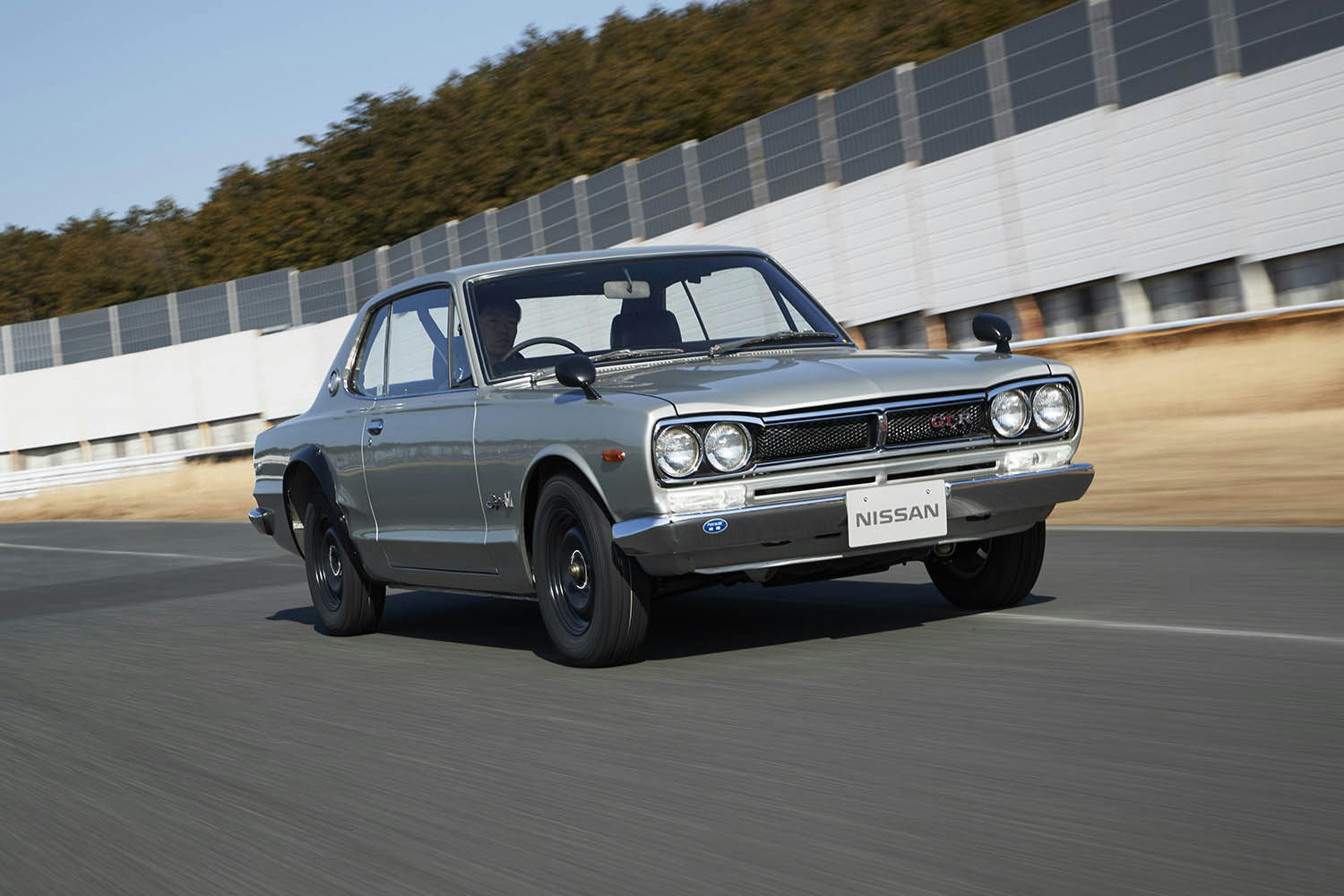
Restoration Title: Value of Nissan Skyline GT-R 1969–1972 After Restoration
Overview
The Nissan Skyline GT-R models from 1969 to 1972 are among the most celebrated vehicles in automotive history, known for their pioneering performance and iconic design. These models marked the birth of an enduring legend, initially launched as the Hakosuka GT-R in 1969. With their sleek aesthetics, straight-six DOHC engines, and a reputation for track dominance, they set new standards in the automotive world. The early GT-Rs, with their distinctive boxy silhouette and rear-wheel drive, were powered by the revered S20 engine, capable of producing impressive horsepower for their time. Owing to their racing pedigree and limited production numbers, these models became highly desirable among enthusiasts and collectors. Consequently, restoring these classic vehicles requires attention to authenticity and detail, which significantly impacts the overall costs. Their historical significance, coupled with the rarity of original parts, plays a crucial role in determining restoration expenses, making the process both challenging and rewarding.
Join the AutoFame community. Become a member for free, add your car to the garage and tell its story. Join AutoFame.
Factors content
Original Condition
The baseline condition of the vehicle significantly impacts restoration costs. Vehicles that require extensive rust repair or have missing parts can lead to a dramatic increase in expenses.
Availability of Parts
Finding original or high-quality replacement parts for these early GT-Rs can be challenging and costly, especially for rare or specific year models.
Labor Costs
The expertise and experience of the personnel performing the restoration also play a crucial role. Skilled specialists may charge higher rates, especially for intricate or faithful restorations.
Level of Restoration
The extent and type of restoration desired—whether a full 'concours' level restoration or a basic cosmetic refresh—can drastically change the cost.
Market Demand
Fluctuations in market demand for classic Nissan Skyline GT-Rs can affect the price of parts and the cost of hiring skilled restoration professionals.
Geographical Location
Costs can vary based on geographical location, where labor rates, parts availability, and shipping or import duties can introduce additional expenses.
Levels Content
Concours Level Restoration
At this highest level, every aspect of the car is restored to original factory specifications.
Costs are significant due to the need for authentic parts and meticulous attention to detail.
Ideal for collectors aiming for show-quality standards and historic accuracy.
Showroom Level Restoration
This level focuses on making the vehicle appear as if new, though not necessarily identical to the original output.
Balancing authentic parts with reliable modern alternatives can keep costs more moderate.
Perfect for owners who want a pristine aesthetic and robust driving experience.
Daily Driver Restoration
Prioritizes functionality and reliability over authenticity and appearance.
Less expensive since it utilizes newer, more accessible components.
Suitable for those who wish to enjoy their vehicle regularly without constant maintenance concerns.
Partial Restoration
Focuses on certain aspects of the car, such as mechanical systems or the interior.
Can be tailored to budget and needs, making it an affordable option.
Often used to address specific issues while leaving other areas as is.
Cost breakdown content
Engine and Drivetrain
Engine Rebuild: Rebuilding the L-series straight-six engines typical of the early Skyline models can cost anywhere from $3,000 to $5,000. This includes machining costs, new pistons, rods, gaskets, and labor.
Transmission Overhaul: Refurbishing a classic four or five-speed manual transmission could range between $1,500 and $3,000 depending on parts availability and necessary repairs.
Differential Refurbishment: Rehabilitating the differential might run from $1,000 to $2,000.
Exhaust System Replacement: A period-correct exhaust system, including headers and pipes, can cost between $500 and $1,500.
Bodywork and Paint
Rust Repair and Panel Replacement: Depending on the extent of rust damage, costs can vary significantly from $2,000 to $10,000.
Paint and Finish: Achieving a high-quality finish with correct color matching might cost from $5,000 to $15,000.
Interior Restoration
Seat Upholstery and Carpeting: Reupholstering seats and replacing the carpet with materials akin to original specs can cost around $1,500 to $3,000.
Dashboard and Instrumentation: Refurbishing the dashboard and gauges may range from $800 to $2,000.
Trim and Other Components: Restoring or replacing interior trim parts could add another $500 to $1,500.
Electrical and Wiring
Wiring Harness Replacement: Installing a new wiring harness, often necessitated by age, can cost about $1,000 to $2,000.
Lighting and Electrical Components: Restoring old lighting and electrical systems may range from $500 to $1,000.
Suspension and Brakes
Suspension Rebuild: Overhauling shocks, struts, and other suspension components can cost between $1,500 and $3,000.
Brake System Overhaul: Updating or restoring the braking system, including rotors, pads, and lines, runs approximately $1,000 to $2,000.
Total Cost Estimate
Considering all the above components, a comprehensive restoration of a 1969–1972 Nissan Skyline GT-R can total anywhere from approximately $18,000 to $50,000, greatly influenced by the vehicle's initial condition and authenticity requirements.
Tips content
Thorough Planning Before Starting
Research extensively to understand the specific needs of your Nissan Skyline GT-R model from 1969 to 1972. Know the parts required, average costs, and where to find them.
Develop a detailed restoration plan outlining each phase of the project, including timelines and budgets for different components.
Prioritize Your Restoration Needs
Identify critical repairs that affect the car’s performance and safety and prioritize them over purely aesthetic modifications.
Create a checklist to differentiate between essential parts and those that can be upgraded or replaced later.
Source Parts Wisely
Opt for reputable online platforms and forums dedicated to vintage Nissan cars to find specialists who sell quality parts at competitive prices.
Consider using refurbished or salvaged parts that are still in good condition when original parts are too expensive or hard to find.
DIY Where Possible
If you have mechanical skills, handle simpler tasks yourself, such as cleaning, basic maintenance, and minor repairs to save on labor costs.
Use online tutorials and guides to understand the specifics of restoring parts of the GT-R, like the engine or interior.
Networking with Other Enthusiasts
Join clubs, forums, or social media groups specific to Nissan Skyline GT-R enthusiasts to share knowledge and discover cost-efficient solutions.
Attend car meetups and events to connect with individuals who may have spare parts or advice on affordable restoration services.
Consider Experienced Local Mechanics
Engage with local mechanics who have experience with vintage cars and can offer their expertise at a lower rate than specialized restoration shops.
Get multiple quotes to compare services and prices, ensuring you choose the best value option without compromising quality.
Set a Realistic Budget
Create a comprehensive budget for the entire restoration process, taking into account unexpected expenses and potential repairs that may arise.
Stick to the budget by continuously monitoring your expenses and adjusting your restoration plan as necessary to avoid overspending.
Have a car with a story like this? Become an AutoFame member and share it with people who love cars as much as you do.
Sell Unwanted Parts
During the dismantling process, identify any parts that are not needed and are in good condition, and sell them to generate additional funds for the restoration.
Use proceeds from selling parts to offset costs of essential components or labor services needed in your restoration.
Value content
Potential Return on Investment (ROI)
Restoring a Nissan Skyline GT-R from the 1969–1972 era can be a financially rewarding venture, but it requires a keen eye on costs and market trends. Generally, acquiring an unrestored model can cost between $40,000 to $70,000, depending on its condition and geographic location. Restoration costs can vary greatly based on the level of restoration desired, parts availability, and labor expenses, typically ranging from $50,000 to $150,000.
The ROI of restoring a Nissan Skyline GT-R hinges largely on several factors: the quality and authenticity of the restoration, market demand, and historical significance. Models restored to concours-quality standards, maintaining original parts and specifications, tend to fetch a premium price in the market. A properly restored vehicle of this vintage can see its value increase significantly, often reaching or even surpassing the $200,000–$250,000 range.
Restored Car's Market Value
The market value for a fully restored 1969–1972 Nissan Skyline GT-R has seen an upward trend over recent years. This is driven by the growing international popularity of Japanese classic cars and their recognition as coveted collectibles. Restored models from this era, particularly the 1971–1972 "Hakosuka" GT-R models, are especially prized, often achieving higher figures compared to their counterparts.
Tip-top Restoration: Vehicles restored to factory-original specifications and condition regularly appraise between $200,000 and $300,000.
Sympathetic Restoration: Cars undergoing a sympathetic restoration, preserving as much of the original components and structure as possible while ensuring functionality, typically range from $150,000 to $200,000.
Modified Models: Some collectors opt for modified models with performance enhancements and unique personalization, which can either add to or detract from market value depending on the breadth and tastefulness of modifications. These can vary widely but generally hover in the $120,000 to $200,000 range.
Overall, while the restoration of a Nissan Skyline GT-R from the 1969–1972 period involves significant cost and effort, the potential market value post-restoration reflects an attractive range, underscoring a solid investment for enthusiasts who value both the aesthetic and historical significance of these iconic vehicles.
Conclusion
Restoring a Nissan Skyline GT-R from the 1969–1972 era is a demanding yet rewarding endeavor for automotive enthusiasts and collectors. The intricate balance between preserving authenticity, sourcing quality parts, and managing restoration costs is crucial for achieving the desired outcome. With restoration expenses ranging from $18,000 to $50,000, detailed planning and strategic choices are vital for a successful project. Enthusiasts can choose varying restoration levels—whether concours, showroom, or daily driver—to align with their goals and budget. The potential return on investment is noteworthy, as meticulously restored GT-Rs can command market values between $150,000 and $300,000, especially when maintaining historic accuracy and original specifications. Additionally, the rising appreciation for Japanese classic cars enhances the allure of these models, making the effort a potentially lucrative investment. Despite the challenges, breathing new life into these iconic vehicles rewards restorers with both personal satisfaction and tangible value, solidifying the 1969–1972 Nissan Skyline GT-R's place in automotive history.
About AutoFame
AutoFame is a home for people who love cars and the stories behind them. Every car on a show field or in a garage has a history: who built it, who saved it, the road trips, the late nights in the shop and the people who helped along the way. AutoFame gives those stories a place to live, so they are not lost when the hood closes or the car changes hands.
Membership is free. Once you join, you can add your car to your own AutoFame garage with photos, specs and the story only you can tell. Restorations, survivors, daily drivers, race cars and family heirlooms all belong here. Other members can find your car, follow its progress and connect with you over the details that matter to car people.
Beyond member garages, AutoFame publishes stories, guides and features on the cars, builders and history that shape car culture. You will find buying and restoration guides, car parts explainers, special editions, the newest models and the classics that started it all. The AutoFame Gallery puts member cars on display for anyone to browse, and the AutoFame YouTube channel adds owner interviews, show highlights and the conversations that happen around a good car.
AutoFame is also built for the people who run car shows. Organizers use it to manage entries and judging, and judges score each car category by category on their phones, with a written guide for every category so nothing gets skipped. After a judged show, owners can see what their car was scored on and how it compared. Shows across the Texas Gulf Coast have run on AutoFame, including the Moody Gardens Car Show in Galveston, Good Grub and Gears, and Keels and Wheels at Lakewood Yacht Club.
AutoFame was founded by Kevin Brady, whose own life in cars began long before he started building tools for the hobby. The idea is simple: the people who love these cars should have one place to share them, learn from each other and keep the stories going.
Whether you own a show winner, a project that is still in pieces or simply love reading about great cars, there is room for you here.
Be part of the AutoFame community. Join free and become a member today.