Mercedes-Benz 300SL Gullwing Restoration Costs: 1954–1957 Models
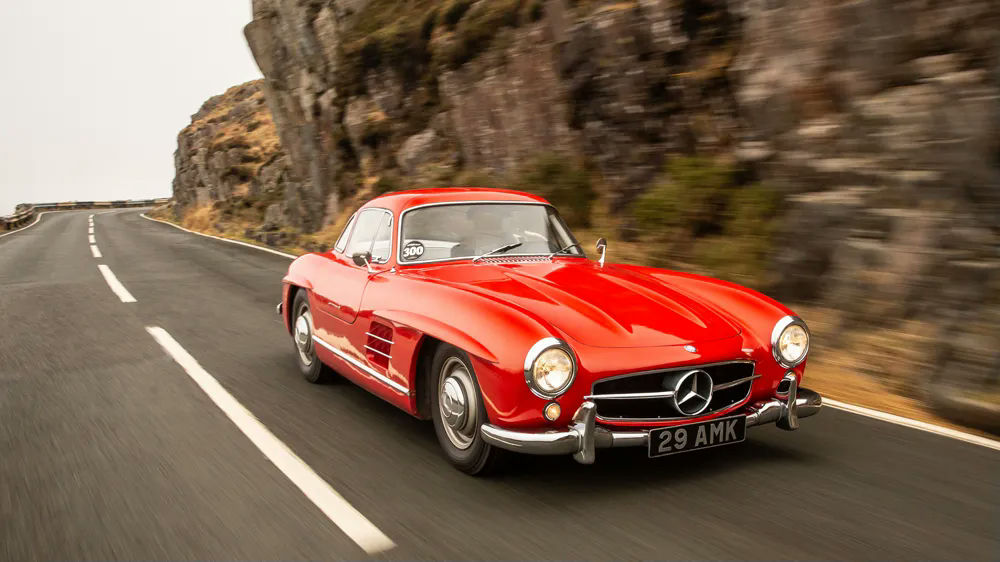
The Mercedes-Benz 300SL Gullwing , produced from 1954 to 1957 , is one of the most iconic sports cars in automotive history. Known for its distinctive gullwing doors , it was initially conceived as a…
- Restoration Title
- Value of Mercedes-Benz 300SL Gullwing 1954–1957 After Restoration
Overview
The Mercedes-Benz 300SL Gullwing, produced from 1954 to 1957, is one of the most iconic sports cars in automotive history. Known for its distinctive gullwing doors, it was initially conceived as a racing car, and its aerodynamic design and innovative engineering catapulted it to fame. This model was powered by a 3.0-liter fuel-injected engine, which was groundbreaking at the time, making it the fastest production car of its era. The 300SL Gullwing not only represented performance but also exclusivity, as only 1,400 units were produced. Its scarcity combined with historical significance makes it a highly sought-after vehicle today. These cars often require careful and precise restoration to maintain their original charm and performance capabilities. Restoration involves significant investments in time and resources due to its complex mechanical systems and the necessity to source authentic parts, which greatly influences the overall restoration costs.
Factors content
Age and Condition of the Vehicle
- The initial state of the car greatly affects restoration costs.
- Older vehicles or those in poor condition may require more extensive repairs.
- Factors include rust, structural damages, and mechanical failures.
Originality and Authenticity
- Restoring a 300SL Gullwing to its original specifications can increase costs significantly.
- Sourcing authentic parts and adhering to original design details add to expenses.
Availability of Parts
- The rarity of authentic parts can make sourcing them expensive and time-consuming.
- Costs can vary depending on whether parts need to be custom fabricated.
Labor and Expertise Required
- Hiring skilled professionals who specialize in classic cars can be costly.
- The intricate design and complex mechanics of the 300SL Gullwing demand expert attention.
Paint and Finish Quality
- A high-quality finish matching the original can significantly add to restoration costs.
- The process involves meticulous preparation, materials, and skilled labor.
Market Demand and Rarity
- Due to the iconic status and limited number of these models, restoration costs can be higher.
- A well-restored Gullwing has significant market value, justifying the investment for many restorers.
Levels Content
Cosmetic Restoration
- Focuses on the vehicle’s appearance, such as paint, interior upholstery, and minor trim.
- Involves no major mechanical changes, primarily addressing superficial flaws.
- Generally the least expensive, but essential for improving the visual appeal of the car.
Partial Restoration
- Addresses both cosmetic and functional aspects to a limited extent.
- May include minor engine repairs, refreshing suspension components, and updating electrical systems.
- Costs vary significantly depending on the extent of both mechanical and aesthetic improvements.
Comprehensive Restoration
- Involves bringing the car back to its original specifications, as closely as possible.
- Includes complete disassembly and rebuilding of the engine, drivetrain, and other critical components.
- Labour-intensive and, therefore, can be very costly, but results in a like-new condition vehicle.
Concourse Restoration
- Aim is to make the car showroom-perfect, often better than the original quality.
- Includes every aspect of the vehicle and uses authentic parts and materials wherever possible.
- Most expensive type, typically reserved for collectors or high-value cars meant for shows.
Cost breakdown content
Bodywork and Paint Restoration
Repairing or replacing the aluminum and steel body panels of a Mercedes-Benz 300SL Gullwing can be one of the most significant expenses. Skilled metalwork is necessary to address rust, dents, or previous unsatisfactory repairs. The paint restoration process includes stripping old paint, preparing the surface, and applying high-quality paint to match the original specification.
- Metalwork and Structural Repairs: $10,000 - $30,000
- Paint and Finishing: $15,000 - $25,000
Interior Restoration
The interior of the 300SL Gullwing demands meticulous attention to detail. Authentic materials and craftsmanship are essential to restore items such as the seats, dashboard, upholstery, carpets, and headliner while ensuring they remain true to the original design.
- Upholstery and Carpeting: $5,000 - $12,000
- Dashboard and Instrumentation: $3,000 - $7,000
Mechanical Restoration
The engine, transmission, and other critical mechanical components need thorough inspection and restoration. This may include full engine rebuilds, overhaul of the transmission and differential, and the replacement or refurbishment of braking and suspension systems to ensure optimal performance and safety.
- Engine Rebuild: $25,000 - $40,000
- Transmission Overhaul: $5,000 - $10,000
- Suspension and Brake System: $5,000 - $10,000
Electrical System Refurbishment
Updating or restoring the electrical system, including wiring, lighting, and other electronic components, can be a complex task requiring specialized parts. Ensuring the 300SL's electrical elements function correctly is crucial for both operation and safety.
- Complete Wiring Harness: $3,000 - $6,000
- Lighting and Accessories: $2,000 - $4,000
Miscellaneous Costs
There are always additional expenses that arise during a restoration, such as sourcing rare parts, unforeseen repairs, and finishing touches to meet the high standards of authenticity and quality.
- Contingency Fund for Unforeseen Expenses: $5,000 - $15,000
In total, a comprehensive restoration of a Mercedes-Benz 300SL Gullwing from 1954 to 1957 can potentially cost between $73,000 and $159,000, depending on the car's condition, the extent of restoration required, and the quality of finishes desired.
Tips content
Prioritize Essential Repairs First
- Identify and address critical mechanical and structural issues before focusing on cosmetic work.
- Prioritize engine, transmission, and brake system repairs to ensure safety and functionality.
- Consider deferring aesthetic features like paint and upholstery if they are in decent condition.
Source Parts Wisely
- Build relationships with reputable suppliers, and consider purchasing parts in bulk to avoid high shipping costs.
- Explore alternative parts from newer or other Mercedes models that are compatible and often less costly. Ensure these parts do not compromise the car's authenticity if it is important for your restoration.
- Join Mercedes-Benz and classic car enthusiast forums to gain insights and potentially find parts at lower prices.
DIY Where Possible
- Invest time in learning basic restoration skills such as rust removal, cleaning, and simple mechanical repairs.
- Consider taking online courses or attending workshops to gain confidence in executing certain restoration tasks.
- Utilize detailed manuals and online tutorials specific to the 300SL Gullwing model to guide your DIY efforts.
Work with Skilled Hobbyists or Independent Experts
- Seek help from independent mechanics or hobbyists who specialize in classic cars, often charging less than large restoration shops.
- Get recommendations from local car clubs or online communities to find trusted experts for specific tasks at a better rate.
- Ensure that any expert you hire has experience specifically with Mercedes-Benz 300SL models to maintain quality.
Regular Maintenance Once Restored
- After restoration, keep up with regular maintenance to avoid costly repairs in the future.
- Moisture and dirt can deteriorate restored parts quickly, so store the vehicle properly when not in use.
- Schedule bi-annual checks to catch and address any potential issues early.
Value content
Value After Restoration
Restoring a Mercedes-Benz 300SL Gullwing, particularly models from 1954 to 1957, involves significant investment, but it can also yield remarkable returns. When restored to concours-quality standards, these iconic vehicles can command substantial prices in the collector car market. As of recent market trends, a fully restored 300SL Gullwing can fetch anywhere from $1,000,000 to $1,500,000 at auction or private sale.
Potential Return on Investment
The ROI for restoring a Mercedes-Benz 300SL Gullwing largely depends on the initial purchase price, the extent of the restoration needed, and the current market demand. Here are some factors impacting the ROI:
- The initial outlay for a restorable 300SL Gullwing can range from $800,000 to $1,200,000, depending on the vehicle's condition and provenance.
- Restoration costs can vary widely, typically ranging between $300,000 and $700,000. Costs depend on the rarity of original parts required, the expertise of the restoration team, and the amount of work needed.
- Considering these costs, a fully restored vehicle sold at the high end of the market could yield a net profit between $100,000 and $400,000.
Market Demand for Restored Models
The Mercedes-Benz 300SL Gullwing continues to be highly sought after by collectors and enthusiasts for its engineering brilliance, aesthetic appeal, and historical significance. Key factors influencing its market value post-restoration include:
- Provenance: Vehicles with a documented history, famous past owners, or racing pedigree may fetch higher prices.
- Originality: Cars with a high degree of original parts and components are typically more valuable.
- Market Trends: Interest in classic car investing continues to grow, with classic cars increasingly being seen as alternative investments.
Staying abreast of these market dynamics is essential for maximising the return on investment when restoring and selling a Mercedes-Benz 300SL Gullwing.