Mercedes-Benz 190SL Restoration Costs: 1955–1963 Models
The Mercedes-Benz 190SL , produced between 1955 and 1963 , is a classic icon known for its elegant design and engineering excellence. Initially unveiled as a more accessible alternative to the 300SL,…
- Restoration Title
- Value of Mercedes-Benz 190SL 1955–1963 After Restoration
Overview
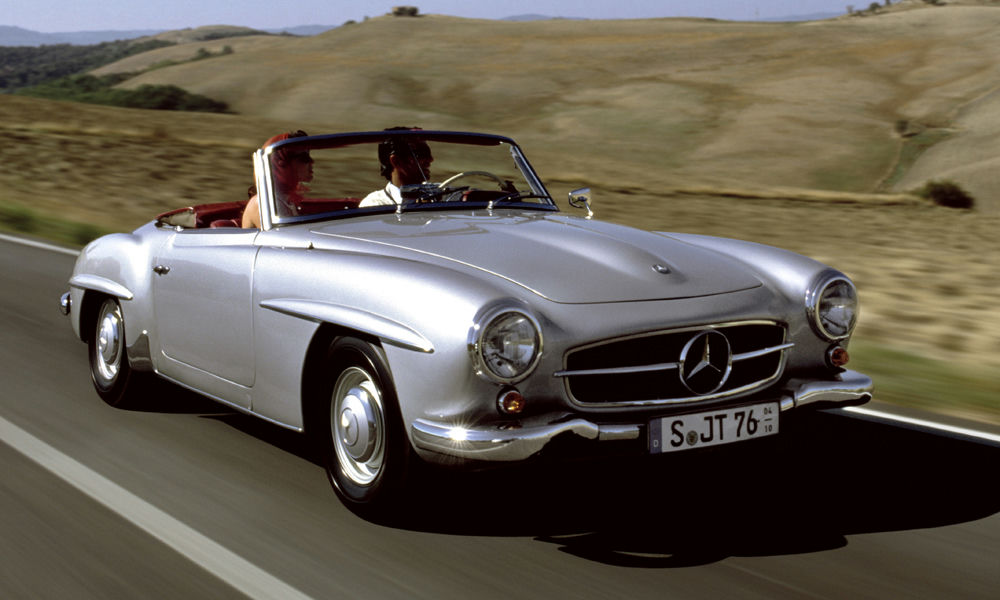
The Mercedes-Benz 190SL, produced between 1955 and 1963, is a classic icon known for its elegant design and engineering excellence. Initially unveiled as a more accessible alternative to the 300SL, the 190SL captivated enthusiasts with its combination of style, performance, and everyday usability. During its production run, approximately 25,881 units were manufactured, making it a relatively scarce collectible today. The vehicle's timeless appeal is underscored by its sleek lines, distinctive front grill, and luxurious interior, which have made it a highly sought-after model among classic car collectors. Under the hood, the 190SL featured a four-cylinder, 1.9-liter engine, capable of delivering smooth and reliable performance. Restoration of these vintage beauties requires a careful balance of originality and modern upgrades, often translating into significant financial investments. Understanding the nuances of its production history is essential for appreciating the restoration costs associated with bringing this classic roadster back to life.
Factors content
Initial Condition of the Vehicle
- Vehicles that are well-maintained may need fewer repairs, lowering restoration costs.
- Rust damage and incomplete parts can significantly increase expenses.
- Documentation and historical records can provide insight into potential problem areas, influencing costs.
Availability of Original Parts
- Scarcity of original parts can lead to higher expenses for sourcing or custom fabrications.
- Aftermarket pieces might offer cost savings, but at the potential expense of authenticity.
- Global shipping and import duties for rare parts can also add to cost.
Labor and Expertise
- Specialist mechanics with experience in vintage Mercedes vehicles often charge premium rates.
- Geographic location can affect labor costs due to variance in regional rates.
- Time-intensive tasks such as custom machining or detailed interior work can contribute significantly to expenses.
Scope of Restoration
- Full restoration, including mechanical, interior, and exterior work, will naturally cost more than partial restoration.
- Authenticity standards, such as concours-level restorations, tend to increase costs.
- Owner customization preferences could either add to or reduce costs depending on the extent of modifications.
Market Fluctuations
- Prices for parts and labor can vary based on current market demand and availability.
- Fluctuations in currency exchange rates can impact the cost of imported materials and parts.
Levels Content
Driver-Level Restoration
- Focuses on functionality and safety rather than aesthetics.
- Commonly includes mechanical repairs, safety updates, and essential body work.
- Easiest and least expensive option, suitable for enjoying the car on the road.
- Typical costs range from $30,000 to $60,000.
Partial Restoration
- Aims to balance cost and quality by focusing on specific areas of need.
- Can include significant body work or engine refurbishment, but not a total rebuild.
- Allows for customization based on owner priorities, such as interior upgrades.
- Expect to spend between $60,000 and $100,000.
Concours-Level Restoration
- Seeks to restore the car to its original factory condition.
- Involves a full frame-off rebuild including bodywork, paint, interior, and mechanics.
- Ideal for collectors and those aiming for showroom or competition standards.
- Costs typically exceed $100,000 and can reach as high as $200,000 or more.
Cost breakdown content
Body and Paint Work
- The first step often involves addressing the bodywork, which can include rust removal, metalwork, and restoring or replacing panels. Expect costs to range from $5,000 to $15,000 depending on the extent of the damage.
- Stripping the old paint and applying a high-quality paint job typically costs between $7,000 and $15,000. High-end paint jobs can exceed these costs, particularly for custom finishes or historically accurate colors.
Engine and Mechanical Systems
- The engine restoration, including a rebuild or replacement of major components, can cost between $7,000 and $12,000. This includes replacing worn-out parts and ensuring the engine's reliability and performance.
- Restoring the transmission and drivetrain often costs $3,000 to $5,000, covering components like the clutch, drive shafts, and differential.
- Suspension and brake system overhauls, necessary for safety and performance, can add another $2,000 to $3,500.
Interior Restoration
- The interior restoration, including reupholstering seats, renewing carpets, and replacing dashboard elements, generally costs between $5,000 and $10,000.
- Special attention to details such as the original radio, instruments, and switches can add an additional $1,000 to $2,500.
Electrical System and Wiring
- Rewiring the vehicle and ensuring all electrical components are functioning correctly typically costs from $2,000 to $4,000. Replacing old wiring harnesses to prevent electrical issues is crucial.
Chrome and Trim Restoration
- Restoring chrome parts and trim can vary widely, ranging from $2,000 to $6,000. This includes bumpers, grille, badges, and window trims.
- Restoration of rare and hard-to-find trim pieces can add additional costs, especially for original parts.
Miscellaneous Costs
- Other costs can include sourcing rare parts, unexpected repairs, or specialty tools, adding another $2,000 to $5,000. This is a crucial part of ensuring the authenticity and functionality of the restoration.
Total Approximate Cost
- When considering all aspects of restoration, the total cost for restoring a Mercedes-Benz 190SL from the 1955-1963 era can range from $35,000 to $75,000 or more, depending on the vehicle's initial condition and desired level of authenticity and detail in the restoration.
Tips content
Thoroughly Research Suppliers
- Compare prices from various suppliers for both parts and services.
- Consider purchasing from reputable online stores or local shops that offer genuine parts at competitive rates.
- Look for suppliers with discounts or promotions on vintage car parts.
Prioritize Repairs Over Replacements
- Evaluate whether existing parts can be refurbished instead of replaced, which is often less costly.
- Focus on essential mechanical components first before aesthetic features.
- Consult with a professional to determine if a part can be restored to functional condition.
Purchase Parts in Bulk
- Buy commonly needed parts in bulk to save on costs and shipping fees.
- Coordinate with other restorers to group purchases and benefit from wholesale discounts.
Do-It-Yourself (DIY) Where Possible
- Engage in restoration tasks that you’re comfortable with to reduce labor costs.
- Utilize online guides and forums for instructions on simpler tasks.
- Invest in a service manual for your specific model to aid in understanding the restoration process.
Seek Out Used Parts
- Visit scrapyards, auctions, or online marketplaces for used parts that are still in good condition.
- Join classic car clubs or forums where members may offer spare parts at lower prices.
Plan the Restoration Strategically
- Develop a detailed plan and timeline to avoid impulse purchases, which can escalate costs.
- Break the project into manageable phases and adhere to a realistic budget for each phase.
- Reassess priorities continuously to ensure that funds are allocated effectively throughout the project.
Network with Other Enthusiasts
- Join local or online vintage car clubs to exchange resources, tips, and knowledge.
- Attend classic car shows to connect with experienced restorers who can offer cost-saving advice.
- Consider bartering skills with other enthusiasts to reduce expenses on specialized tasks.
Maintain Regular Maintenance
- Perform routine checks and maintenance to avoid costly repairs in the future.
- Take care of minor issues promptly to prevent them from becoming major expenses.
- Keep a detailed record of maintenance to track and manage costs effectively.
Value content
Return on Investment (ROI) Overview
Restoring a Mercedes-Benz 190SL can be approached as both a passion project and a financial investment. These classic models, produced between 1955 and 1963, have become sought-after collectibles in the automotive world. As with many vintage cars, the ROI depends on several factors, including the initial acquisition cost, the amount spent on restoration, and the current market trends.
Initial Cost vs. Restoration Expenses
The initial purchase price of a 190SL in need of restoration can vary widely, usually ranging from $30,000 to $75,000. The cost of a full restoration can exceed $100,000, depending on the car's condition, the authenticity of parts used, and the extent of professional services required. On average, such a restoration can take up to 1,000 to 1,500 hours of labor, adding to the expenses.
Market Value of Restored Models
Once fully restored to concours conditions, a Mercedes-Benz 190SL can command high value in the collector's market. Restored models often fetch anywhere between $170,000 to $250,000 at auctions. The market price can significantly increase if the restoration maintains original specifications and documentation, ensuring originality and authenticity.
Factors Influencing Market Value
- The quality and thoroughness of the restoration work are paramount. A meticulously restored 190SL that remains true to the original specifications will always attract higher bids.
- Provenance and documentation, including previous ownership records and any historic anecdotes associated with the vehicle, can significantly impact market value.
- Market trends and demand for classic cars fluctuate, so timing can also influence the potential selling price. A rise in nostalgia or the marque's increasing prestige can lead to higher demand and prices.
Conclusion: Potential ROI
Given these variables, the potential ROI for a restored Mercedes-Benz 190SL can be substantial, although not guaranteed. For instance, investing around $180,000 in acquiring and restoring a 190SL, and later selling it for around $220,000, gives a significant return before fees and taxes. Passionate restorers, aiming for perfection, may find both intrinsic and financial rewards in bringing these iconic cars back to life.