Mazda RX-7 Restoration Costs: 1978–1985 Models
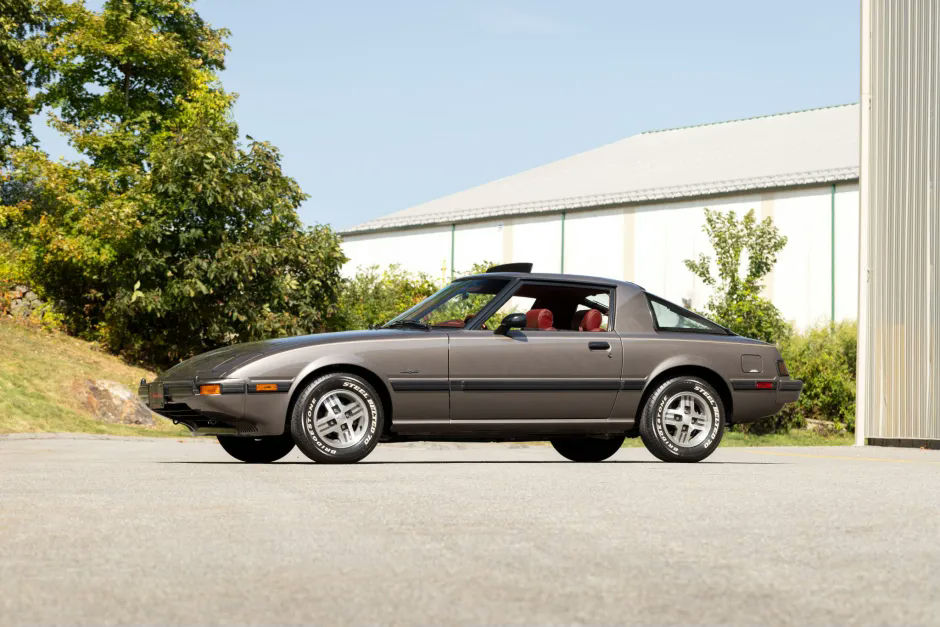
The Mazda RX-7, released between 1978 and 1985 , represents a remarkable era for sports cars. Renowned for its lightweight construction and unique rotary engine , this vehicle became an icon of Japan…
- Restoration Title
- Value of Mazda RX-7 1978–1985 After Restoration
Overview
The Mazda RX-7, released between 1978 and 1985, represents a remarkable era for sports cars. Renowned for its lightweight construction and unique rotary engine, this vehicle became an icon of Japanese engineering. The RX-7's series spans from the initial SA22C model to the subsequent FB series, each iteration offering improvements in performance and styling. The innovative Wankel rotary engine under the hood set it apart, delivering a uniquely balanced mix of power and agility, making it a favorite among enthusiasts. The sleek, compact design and performance characteristics contributed to its popularity worldwide. However, these distinct features also pose unique challenges when it comes to restoration. Understanding the original manufacturing nuances and sourcing authentic parts are crucial in restoring these vintage models. Enthusiasts often find the task both a labor of love and a financial investment, as maintaining an authentic RX-7 requires dedication to its historical legacy and mechanical intricacies.
Factors content
Condition of the Vehicle
- The initial state of the Mazda RX-7 plays a significant role in restoration costs. A car with minimal rust, a solid structure, and a functioning engine will require less investment than a heavily deteriorated model.
Parts Availability and Price
- The availability of original parts can directly impact costs. Original parts for the 1978-1985 RX-7 can be rare and expensive, while aftermarket alternatives may offer more affordable options.
Labor Costs
- Hiring a professional restoration service can be costly, but it ensures quality work. Labor rates vary depending on the location and expertise of the shop chosen for the restoration.
Level of Restoration Desired
- Costs vary based on the extent of restoration: from basic functional repairs to full concours-quality restorations, each requiring different levels of attention, time, and financial investment.
Customization and Modifications
- Adding custom features or making performance modifications can increase costs significantly. Original restorations may cost less than projects focusing on customization.
Market Trends and Demand
- Market demand for classic cars like the Mazda RX-7 can influence parts and labor costs. A surge in popularity can lead to increased restoration expenses due to higher demand for parts and services.
Levels Content
Basic Restoration
- Focuses on cosmetic updates and minor repairs.
- Includes repainting, fixing dents, and refreshing interior upholstery.
- Addresses minor engine tune-ups and fluid changes.
- Estimated cost: $5,000 to $10,000.
Intermediate Restoration
- Involves more comprehensive mechanical and cosmetic work.
- Engine components may be rebuilt or replaced.
- Suspension and brake systems are often upgraded.
- Includes higher-quality paint jobs and interior refurbishments.
- Estimated cost: $10,000 to $20,000.
Full Restoration
- Represents a complete tear-down and rebuild of the vehicle.
- Every component is restored to its original or improved condition.
- Includes extensive mechanical, bodywork, and interior refurbishment.
- Often involves sourcing original or replica parts.
- Estimated cost: $20,000 and up.
Cost breakdown content
Bodywork and Paint
- Initial Inspection and Minor Repairs: $500 - $1,500
- Panel Replacement or Major Rust Repairs: $1,000 - $5,000
- Complete Paint Job: $3,000 - $7,000
- Bodywork Touch-Ups, Polishing: $500 - $1,500
Engine and Transmission
- Engine Rebuild or Replacement: $2,500 - $6,000
- Transmission Overhaul: $2,000 - $4,000
- Radiator and Cooling Systems: $300 - $800
- Exhaust and Intake Systems: $500 - $2,000
Suspension and Steering
- Suspension Overhaul (Bushings, Springs, Shocks): $800 - $2,500
- Steering Component Replacement: $400 - $1,200
- Alignment Services: $100 - $300
Interior Restoration
- Upholstery Repair or Replacement: $1,000 - $3,000
- Dashboard and Instrumentation Refurbishing: $500 - $1,500
- Carpet Replacement: $200 - $600
- Door Panels and Trim: $300 - $800
Electrical and Lighting
- Rewiring (Partial or Complete): $800 - $2,000
- Headlights, Taillights, and Signal Systems: $400 - $1,000
- Battery and Charging System: $150 - $400
Wheels and Tires
- Wheel Refurbishment or Replacement: $400 - $1,200
- Tire Replacement: $300 - $800
- Balancing and Alignment: $100 - $300
Miscellaneous Components
- Braking System Overhaul: $500 - $1,500
- Fuel System Repairs or Upgrades: $300 - $1,000
- Weather Stripping and Seals: $200 - $600
Approximate Total Restoration Cost
The total cost for restoring a Mazda RX-7 from the 1978–1985 model years can range from approximately $12,000 to $36,000, depending on the extent of restoration required and the quality of parts used.
Tips content
Prioritize Essential Repairs
- Focus on fixing critical mechanical and safety issues first, such as engine functionality, braking systems, and suspension. Addressing these areas ensures the vehicle is operational and safe to drive, which can help prevent additional expensive repairs down the line.
- Gradually move to aesthetic upgrades and non-essential restorations once the primary systems are reliable, allowing for a phased budgeting approach.
Source Affordable Parts
- Search for used but high-quality parts through online marketplaces and community forums dedicated to Mazda enthusiasts, where prices are often lower than purchasing new parts.
- Consider aftermarket components that offer good quality at reduced prices. Many reputable manufacturers produce high-performance parts compatible with RX-7 models that can serve as cost-effective alternatives.
DIY Simple Tasks
- Undertake basic restorations, such as interior refinishing or minor electrical repairs, yourself if you’re comfortable and skilled, using online tutorials and manuals as guides.
- Even if you’re not mechanically inclined, tasks like cleaning, rust removal, and reupholstery can be feasible DIY projects with the right tools and resources.
Establish a Restoration Plan
- Create a detailed restoration plan that outlines each step and its estimated cost. This will not only keep you organized but also allow you to track expenses and allocate resources effectively.
- Avoid impulse buying or hasty decisions by using your plan as a guideline, which can safeguard against unnecessary expenditure.
Build a Network
- Connect with local car clubs and online communities centered on Mazda RX-7 to share insights, advice, and recommendations. Other enthusiasts can provide leads on discounted part sources and reliable mechanics.
- Strong relationships within these circles might also offer opportunities for tool sharing or collaborative work, substantially cutting down costs.
Value content
Understanding the Market Value:
The Mazda RX-7 models from 1978 to 1985 have garnered a growing interest among car enthusiasts and collectors, particularly due to their unique rotary engine and iconic design. As the market for classic Japanese cars continues to expand, the potential ROI for a restored RX-7 can be significant. Restored examples of first-generation RX-7s (SA/FB models) can typically fetch between $20,000 and $35,000, depending on the model year, condition, and authenticity of the restoration.
Factors Influencing Value:
Several factors can influence the final market value of a restored Mazda RX-7:
- Originality: Cars that remain true to their factory specifications tend to attract higher prices. Keeping the original engine, transmission, and body panels can enhance the value.
- Quality of Restoration: A high-quality restoration that pays attention to detail, from premium paint jobs to accurately restored interiors, can significantly boost the car's value.
- Rarity and Model Specifics: Limited edition models or those with rare features may command higher values in the market.
- Mileage: Lower mileage vehicles typically hold more value, suggesting less wear and tear over the years.
- Provenance: A well-documented history with past records can add value, as collectors often prefer well-documented vehicles.
Potential Return on Investment (ROI):
Beyond the restoration costs, owners can see a substantial ROI upon selling a fully restored RX-7. Assuming an initial purchase price ranging from $3,000 to $10,000 for a non-restored vehicle, and assuming restoration costs between $15,000 and $25,000, the total investment might be in the range of $18,000 to $35,000. With a potential sale price of $20,000 to $35,000 for a well-restored version, the ROI can vary from breaking even to potentially doubling the initial investment, especially if market demand continues to rise. Collectors who invest intelligently in restoration and capitalizing on the appreciating market value can enjoy not only a monetary return but also the satisfaction of owning a timeless classic.