Lincoln Continental Restoration Costs: 1961–1969 Models
The Lincoln Continental from 1961 to 1969 represents a golden era of American luxury automobiles, renowned for their classic design and engineering excellence. These models, particularly the fourth g…
- Restoration Title
- Value of Lincoln Continental 1961–1969 After Restoration
Overview
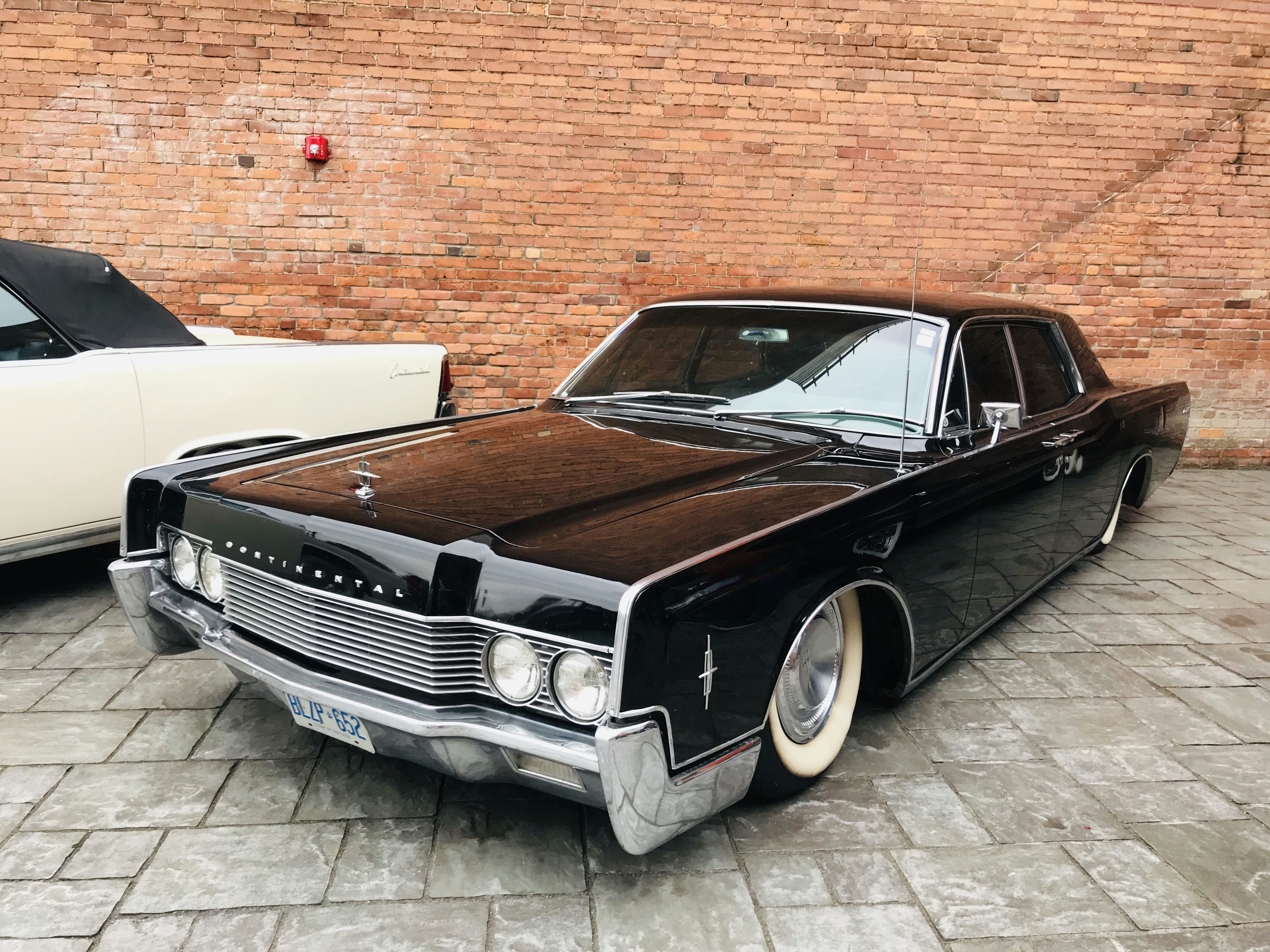
The Lincoln Continental from 1961 to 1969 represents a golden era of American luxury automobiles, renowned for their classic design and engineering excellence. These models, particularly the fourth generation, are celebrated for their suicide doors, slab-sided design, and elegant simplicity, making them a staple of mid-century automotive design. The lineage introduced numerous innovations, including the industry's first dual hydraulic braking system and a power-operated convertible top. The 1961 model set new standards in design with clean, simple lines, and was the last mass-produced American car to undergo thorough assembly line checks. As a result, these vehicles achieved a balance of aesthetic beauty and mechanical robustness, gaining a prestigious status among collectors and enthusiasts. This background underscores the significance and potential expense involved in restoring such iconic automobiles to their original glory, as restoration must often marry authenticity with modern reliability to preserve their classic charm.
Factors content
Availability of Parts and Materials
- The scarcity of original parts for the Lincoln Continental models from 1961 to 1969 can significantly influence restoration costs.
- Sourcing period-correct materials, especially for interiors and trim, requires more effort and expense.
Level of Restoration Desired
- Complete restorations, which include every component and detail, will naturally cost more than partial restorations.
- The choice between a "frame-off" restoration or a more superficial refurbishment impacts the overall budget.
Condition of the Project Vehicle
- Vehicles with severe rust or extensive damage require more labor and materials, raising restoration costs.
- Finding a model in relatively good shape initially can save on costs in the long run.
Labor and Expertise
- The cost of skilled labor, especially when hiring specialists with knowledge of vintage Lincoln Continentals, contributes significantly to expenses.
- The location of the restoration shop can also affect labor costs due to regional wage differences.
Customization and Upgrades
- The extent of customizations or modern enhancements, such as advanced audio systems or engine modifications, can further inflate costs.
- Restorations aiming for authenticity might avoid high-tech upgrades, generally keeping costs lower.
Levels Content
Concours Restoration
- This is the highest and most comprehensive level of restoration, often reserved for show cars.
- Involves authentic restoration to factory specifications, with all parts and finishes matching the original.
- Costs can range from $100,000 to $300,000, depending on the condition and rarity of the vehicle.
Show Quality Restoration
- Focuses on achieving a visually stunning, reliable car that’s suitable for high-level competition and show circuits.
- Includes high-quality paint, interior work, and attention to detail, though not as exhaustive as concours-level.
- Costs generally range between $50,000 and $100,000.
Driver Restoration
- Aims to restore the vehicle to a pleasing and functional condition that is suitable for regular use.
- Prioritizes reliability and drivability while keeping costs lower than show-level restorations.
- Typically involves expenses from $20,000 to $50,000.
Partial Restoration
- Targets specific areas of the car, such as the engine or interior, rather than a full restoration.
- Often taken on as a project to improve specific aspects while maintaining overall budget limits.
- Costs can vary significantly, from $5,000 to $20,000, based on the scope of work.
Cosmetic Restoration
- Focuses on enhancing the car's appearance, including paint, chrome, and interior refurbishments, without extensive mechanical work.
- Ideal for cars that are mechanically sound but need visual improvements.
- Expenses typically range from $5,000 to $15,000.
Cost breakdown content
Body and Paint Work
Restoring the body of a Lincoln Continental from 1961 to 1969 can involve numerous steps including rust repair, panel replacement, and paint work. The first task typically involves addressing any rust or body damage, which can cost between $3,000 and $5,000 depending on the severity. Fabricating or sourcing replacement panels, if needed, might add another $1,500 to $3,000. The paint job itself, including materials and labor for a high-quality finish, can range from $5,000 to $12,000, depending on the desired level of detail and finish.
Engine and Transmission
Rebuilding or replacing the engine of a vintage Lincoln Continental can be a significant expense. A complete engine overhaul generally costs between $3,000 and $6,000, while sourcing a period-correct replacement engine may cost upwards of $10,000. Transmission work, whether it's a rebuild or replacement, typically ranges from $1,500 to $3,000. If the car requires updates to meet modern standards, such as an electronic ignition system, expect additional costs around $500.
Interior Restoration
Revamping the interior of a Lincoln Continental involves upholstery work, dashboard refinishing, and potentially replacing components like the radio or air conditioning system. Upholstery restoration, including seats, door panels, and carpeting, can range from $3,000 to $7,000. Restoring or replacing the dashboard and gauges might add another $1,500 to $3,000. Installing or refurbishing the original audio and climate systems can cost between $1,000 and $2,500.
Electrical System
An often overlooked but crucial aspect of restoration is the electrical system. Rewiring a classic Lincoln Continental can be a costly endeavor, with prices ranging from $1,000 to $3,000. Repairs to ancillary electrical components like power windows and lights may add another $500 to $1,500, varying based on the extent of the issues.
Suspension and Brakes
Updating the suspension system to ensure a smooth, comfortable ride can involve replacing shocks, struts, and bushings. This typically costs between $1,500 and $3,000. Restoring the brake system, which might include new rotors, pads, and lines, generally ranges from $800 to $2,500. Upgrading to modern disc brakes for improved performance could add $1,000 to $2,500.
Miscellaneous Costs
Additional costs can include replacing rubber seals and weather stripping, which often costs $500 to $1,000. Detailing and finishing touches, such as polishing chrome trim and replacing badges, may add $500 to $2,000. Having a contingency budget for unexpected issues is wise, typically around 10-15% of the total restoration budget.
Approximate Total Cost
Considering all these components, a complete restoration of a 1961-1969 Lincoln Continental can range from $20,000 to $50,000 or more, depending on the condition of the car to begin with, the quality of the restoration desired, and geographic location.
Tips content
Research and Source Parts Wisely
- Explore online marketplaces, forums, and social media groups dedicated to classic Lincoln vehicles. These platforms often have listings for parts at competitive prices.
- Build relationships with local junkyards and classic car clubs. They can provide insights into where to find rare parts and might offer discounted rates.
- Consider attending car shows or swap meets where vendors sell original and reproduction parts, often at lower prices than standard retailers.
Prioritize Essential Repairs
- Focus on repairs that affect safety and functionality first, such as brakes, suspension, and the engine. Cosmetic improvements can often wait until later stages of restoration.
- Make a list of all necessary repairs, categorize them into urgent and non-urgent tasks, and allocate your budget accordingly.
DIY Where Possible
- Take on easier tasks yourself, like cleaning parts, sanding, or basic mechanical work, if you have the tools and knowledge. YouTube and online tutorials can offer guidance.
- Invest in a workshop manual specific to your Lincoln model to help guide you through simple repairs and maintenance.
Seek Experienced Help Selectively
- For specialized work such as engine rebuilding or bodywork, choose professionals who have experience with Lincoln Continentals to avoid costly reworks.
- Get multiple quotes and compare pricing before committing to a specific professional service.
Buy Used or Refurbished Parts
- Opt for used or refurbished parts instead of new ones when possible. These can often be found at a significantly lower price and perform just as well for restoration purposes.
- Ensure any used parts are sourced from reputable suppliers or have been refurbished by trusted specialty shops to ensure quality and durability.
Consider Quality Aftermarket Alternatives
- Explore aftermarket parts for components that don't necessarily need to be original for the vehicle to maintain its value, like exhaust systems or interior accessories.
- Research brands known for quality to ensure that the aftermarket components will be reliable and visually appropriate.
Network with Other Enthusiasts
- Join Lincoln forums or local car clubs to connect with other enthusiasts who can provide advice, share experiences, or even swap parts.
- Consider group buys for common parts or materials, as these may lead to discounts due to bulk purchasing.
Value content
Restored Market Value
The 1961-1969 Lincoln Continental models are among the most iconic classic cars, and their restored market value reflects their historical significance and aesthetic appeal. After undergoing a comprehensive restoration, these vehicles can command significant figures in the collector's market. On average, a well-restored Lincoln Continental from this era can range from $50,000 to $120,000, depending on the model year, trim level, and the quality of the restoration work. Rarer variants or those with unique features can fetch even higher prices, sometimes up to $150,000.
Return on Investment (ROI)
When considering the restoration of a Lincoln Continental, it is vital to evaluate the potential return on investment. Although the initial outlay can be substantial—with restoration costs ranging from $20,000 to $70,000—there is potential for significant appreciation in value post-restoration. Key factors affecting ROI include:
- Rarity and Desirability: Specific models or features that were limited in production or highly sought after can see increased demand, leading to a higher resale value.
- Quality of Restoration: A comprehensive, high-quality restoration that adheres to original specifications and uses authentic parts will add more value compared to partial or low-quality restorations.
- Market Trends: The classic car market can be volatile; however, Lincoln Continentals from the 1960s consistently remain popular among collectors, bolstering their long-term investment potential.
While the exact ROI will vary, successful restorations often see an appreciation that exceeds the initial investment, sometimes realizing a return of 50-100%. This potential for appreciation makes restoring a Lincoln Continental not only a venture in preserving automotive history but also a potentially lucrative investment.