Lamborghini Miura Restoration Costs: 1966–1973 Models
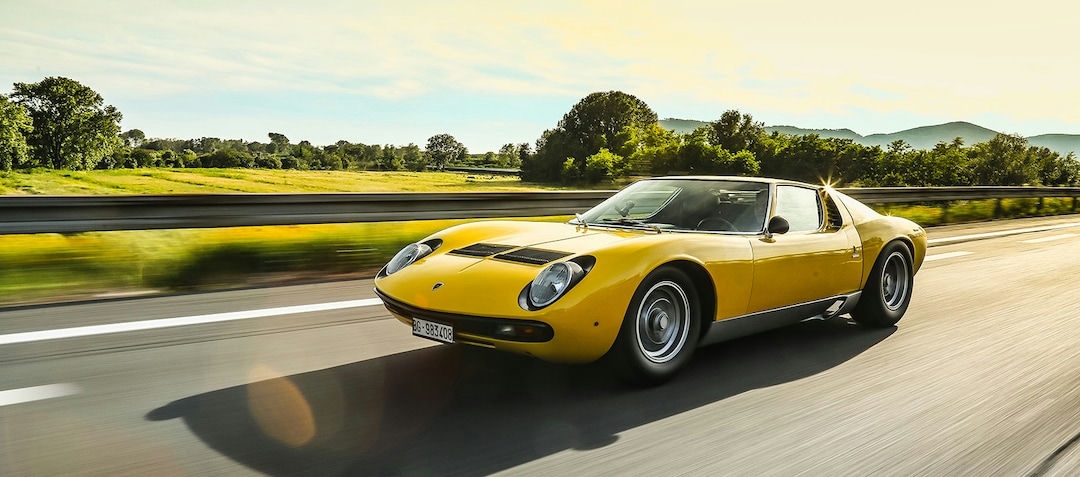
The Lamborghini Miura , produced from 1966 to 1973 , is an iconic sports car that set the standard for high-performance automobiles. As one of the world's first supercars, the Miura featured a re…
- Restoration Title
- Value of Lamborghini Miura 1966–1973 After Restoration
Overview
The Lamborghini Miura, produced from 1966 to 1973, is an iconic sports car that set the standard for high-performance automobiles. As one of the world's first supercars, the Miura featured a revolutionary transverse mid-engine layout, which was groundbreaking at the time. Designed by the talented Marcello Gandini at Bertone, it quickly became a symbol of prestige and luxury. The Miura was known for its elegant design, powerful V12 engine, and exceptional performance, helping to establish Lamborghini as a leading player in the sports car arena.
During its production run, Lamborghini manufactured approximately 764 units, making it a rare and highly sought-after vehicle today. With models such as the P400, P400S, and P400SV, each version offered unique enhancements and features, attracting enthusiasts and collectors alike. Understanding the historical significance and technical complexities of the Miura provides essential context for appreciating the challenges and costs involved in its restoration.
Factors content
Rarity and Availability of Parts
- The Lamborghini Miura is a rare classic car, and finding original parts can be challenging and costly.
- The scarcity of authentic components often leads to higher expenses due to the need for custom fabrication or sourcing parts from exclusive suppliers.
Condition of the Vehicle
- The initial condition of the Miura significantly impacts restoration costs. A vehicle in poor condition with extensive rust or damage will require more time and resources to restore.
- Cars that have been well-maintained or partially restored may incur lower costs.
Level of Restoration Desired
- Different owners may have varying levels of restoration in mind, from a basic mechanical restoration to a complete, concours-level restoration that meets the highest standards.
- High-level restorations tend to be much more expensive due to the meticulous attention to detail and authenticity required.
Labor Costs and Expertise
- The cost of labor can vary greatly depending on the expertise of the restoration shop and the complexity involved in restoring a Miura.
- Working with specialists who have experience and a reputation for high-quality restorations can increase costs but also the value and authenticity of the restoration.
Geographic Location
- Restoration costs can also be influenced by the location of the restoration shop. In areas where the cost of living is higher or where demand for classic car restoration is greater, prices will likely be higher.
- Transportation of the vehicle to and from the restoration facility can add to costs, especially if the car must be shipped internationally.
Levels Content
Concours Restoration
- This is the highest level of restoration, often intended for show cars competing in prestigious events.
- The goal is to restore the vehicle to its original condition and specifications, as it was when it first left the factory.
- Every aspect of the car, from the engine to the interior and aesthetics, must reflect perfection and authenticity.
- Concours restoration often involves sourcing original parts, which can be scarce and expensive, increasing the overall cost significantly.
Driver Restoration
- This level focuses on ensuring the car is in good mechanical condition and can be driven regularly.
- Aesthetic perfection is not the primary goal; rather, it involves balancing usability with restoration quality.
- While some original parts might be used, replicas or modern parts may be substituted to enhance reliability.
- Driver restoration is typically less costly than Concours, but it still requires substantial investment, particularly for engine and safety upgrades.
Cosmetic Restoration
- This level focuses primarily on improving the vehicle's appearance rather than mechanical functionality.
- Key components include repainting, re-chroming, upholstery work, and other similar cosmetic enhancements.
- Often chosen for cars not intended for frequent driving or competitive shows, but to look pristine in a collection.
- Costs are significantly lower than in mechanical restorations, but they still vary greatly depending on materials and labor.
Partial Restoration
- This involves focusing on specific areas of the car that need improvement rather than a comprehensive overhaul.
- Owners typically select this option to address certain wear-and-tear issues or to replace only the most critical components.
- Partial restoration allows for customization based on specific needs and budget constraints.
- This level provides flexibility, making it attractive for owners who want incremental improvements without committing to a full restoration.
Cost breakdown content
Engine Restoration
- The V12 engine in the Miura requires a complete rebuild, including machining and replacing aging components. Expect costs for new pistons, connecting rods, and camshafts to be around $20,000 - $25,000.
- Restoring the carburetors and ensuring peak performance can add an additional $5,000 - $7,000.
- The ignition system, which may require new distributors and coils, can cost approximately $3,000 - $4,000.
Transmission and Drivetrain
- Rebuilding the manual transmission, replacing synchros, gears, and bearings, typically ranges from $5,000 - $8,000.
- Restoration of the differential and driveshaft may add another $3,000 - $5,000.
Suspension and Brakes
- Rebuilding the suspension components, including shock absorbers, springs, and bushings, can cost $4,000 - $6,000.
- Restoring or replacing the braking system, including calipers, rotors, and lines, may require $3,000 - $5,000.
Electrical System
- Rewiring the entire car and replacing old or faulty electrical components typically adds up to $6,000 - $9,000.
- The restoration of gauges and switches can involve an additional $2,000 - $3,000.
Interior Restoration
- Restoring the interior, including upholstery, dashboard, and carpeting, can be estimated at $8,000 - $12,000.
- Refurbishing specialty items like the steering wheel and shift knob adds another $1,500 - $2,500.
Body and Paint
- Repairs and restoration of the bodywork, including rust removal and panel realignment, generally range from $10,000 - $15,000.
- A high-quality paint job, matching original Lamborghini colors, can cost between $12,000 - $18,000.
Miscellaneous Costs
- Miscellaneous elements such as restoring the exhaust system, fuel system, and wheels will add $5,000 - $8,000.
Approximate Total Restoration Cost
Approximately, a full Lamborghini Miura restoration costs $80,000 to $125,000 depending on the car's initial condition and the level of restoration desired.
Tips content
Research and Source Parts Wisely
- Extensively research online platforms like eBay and classic car forums for used parts and compare prices.
- Consider remanufactured or high-quality reproduction parts, which often come at a fraction of the cost of original parts.
- Network with other classic Lamborghini owners to find reputable suppliers with competitive pricing.
Utilize DIY for Basic Restoration Tasks
- Invest time in learning how to perform basic tasks such as cleaning, polishing, and minor upholstery work.
- Purchase essential tools and equipment to handle tasks safely and avoid costly workshop fees.
- Use online tutorials and guides specifically for classic Lamborghini models for effective DIY success.
Join Classic Car Clubs
- Take advantage of club discounts on parts, services, and expertise shared by experienced members.
- Attend workshops and seminars organized by clubs to improve your restoration knowledge and skills.
- Participate in group buys or swap meets with club members to reduce costs on bulk purchases or exchanges.
Plan and Budget Wisely
- Develop a detailed restoration plan, breaking down tasks into phases to better manage expenses.
- Set a realistic budget for each phase and stick to it to avoid unexpected costs.
- Regularly review your expenses and savings opportunities to adjust your approach for cost efficiency.
Assess and Repair, Don’t Replace
- Conduct a thorough assessment of parts that can be repaired rather than replaced to preserve originality and cut costs.
- Consult with specialists to determine the feasibility of repairs for expensive or rare components.
- Explore reconditioning services that offer warranties to ensure quality and longevity of repaired parts.
Value content
Potential Return on Investment (ROI)
When investing in a Lamborghini Miura restoration, one of the primary considerations is the potential return on investment. Historical data indicates that classic car values have consistently appreciated, and the Lamborghini Miura is no exception. Over the past decade, Miura models have displayed significant value increases in auctions and private sales. For instance, a fully restored Miura that would have sold for around $1 million in the early 2010s can now fetch between $1.5 million and $3 million, depending on its provenance, model variant, and quality of restoration. This illustrates how owners can expect a substantial return if they decide to sell post-restoration.
Restored Car's Market Value
The market value of a restored Lamborghini Miura is influenced by several factors, including the specific model and year, overall condition, originality, and authenticity of the restoration. For top-tier restoration projects, it's common to see these vehicles listed or sold for over $2 million.
- Model Variants: The Miura models fall into various categories like the P400, P400S, and the highly coveted P400SV. The SV models, often recognized as the apex of the Miura series, can achieve values exceeding $3 million when perfectly restored.
- Condition and Authenticity: Collectors place great importance on authenticity. Vehicles restored to original factory specifications using genuine parts tend to attract higher values. A Miura with all original parts or period-correct substitutes can see its value increase by at least 20%.
Investors and enthusiasts must keep in mind that while the restoration of a Miura is a meticulous and often costly venture, the potential financial and sentimental rewards can be extraordinary. In conclusion, if executed with precision and care, a Miura restoration not only preserves a piece of automotive history but can also be a lucrative investment in the collectible car market.