Jaguar E-Type Restoration Costs: 1961–1975 Models
The Jaguar E-Type, produced from 1961 to 1975 , is celebrated as one of the most iconic sports cars, capturing the essence of British automotive engineering. Known for its elegant design , impressive…
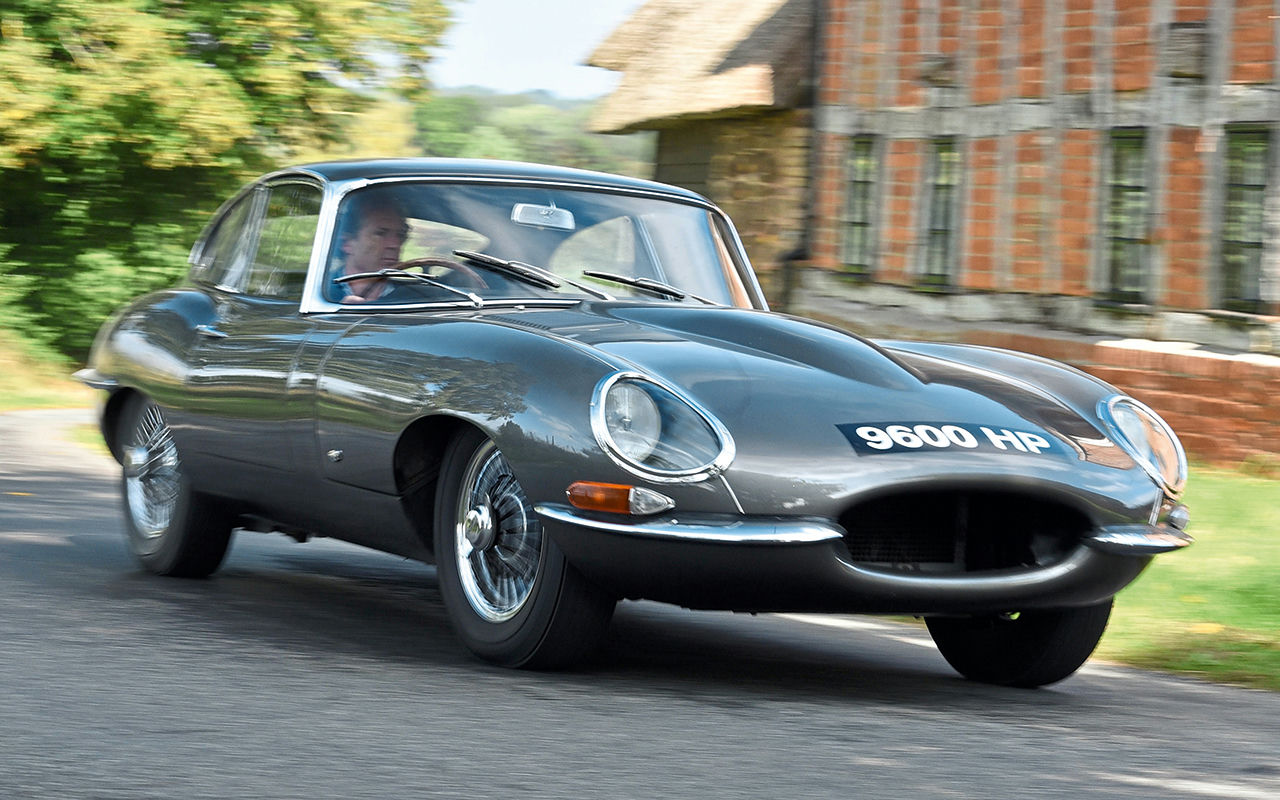
- Restoration Title
- Value of Jaguar E-Type 1961–1975 After Restoration
Overview
The Jaguar E-Type, produced from 1961 to 1975, is celebrated as one of the most iconic sports cars, capturing the essence of British automotive engineering. Known for its elegant design, impressive performance, and revolutionary features for its time, the E-Type became a symbol of 1960s luxury. This era encompassed three main series: Series 1, 2, and 3, each with their own nuances in design and mechanics. Series 1 (1961-1968) showcases the classic initial design with a 3.8L engine, evolving to a 4.2L. The Series 2 (1968-1971) introduced subtle design changes and improved safety features. Finally, the Series 3 (1971-1975) transitioned the model with a more powerful 5.3L V12 engine and enhanced comfort. These models' rarity and the high demand for authenticity in parts and craftsmanship contribute significantly to their restoration costs. Preserving their historical integrity requires detailed attention and often substantial investment.
Factors content
Condition of the Vehicle
- Initial state plays a critical role in determining the cost.
- Vehicles with extensive rust or damage require more expensive repairs.
- Originality of parts can affect cost; original parts might be more costly to restore or replace.
Parts Availability
- Original or replica parts are frequent considerations for restoring Jaguars.
- Hard-to-find parts can drive up costs significantly.
- Local availability versus importing parts may also impact the overall expense.
Level of Restoration Desired
- Full restorations are more costly compared to partial or cosmetic ones.
- Choices between show-quality vs. daily-use restorations affect pricing.
- Customization requests can add to the cost significantly.
Labor Costs
- Specialized labor for classic cars often attracts higher rates.
- Geographic location affects labor pricing; rates in urban areas tend to be higher.
- Experience level of the professionals involved influences the overall cost.
Timeframe and Unforeseen Issues
- Compressed timeframes may require overtime, adding to expenses.
- Discovery of hidden issues, such as engine problems, can escalate costs.
- Regular progress assessments help manage and anticipate budget overruns.
Levels Content
Concourse Level Restoration
- This is the highest level of restoration, aimed at making the Jaguar E-Type indistinguishable from its original factory condition.
- Every component is meticulously restored to original specifications, using original parts when possible.
- Restorers might consult factory records to ensure accuracy in color, materials, and finishes.
- Given the detail and labor involved, this level can demand the highest costs, often reaching six figures.
Show Quality Restoration
- This level is about achieving remarkable aesthetics and reliability, making the car suitable for shows, but with some allowances for modern upgrades.
- Non-visible parts might be upgraded for better performance, provided they don’t alter the car’s external appearance.
- The focus is still heavily on aesthetic beauty and mechanical soundness.
- Costs at this level are high, but not as exhaustive as concourse restoration.
Driver Level Restoration
- The emphasis here is on functionality and safety with reasonable attention to aesthetics.
- Restoration is less intensive, might include non-original parts for practicality and cost efficiency.
- Ideal for owners who prefer to enjoy regular drives rather than show the car.
- Costs can be moderate, making it more accessible compared to show and concourse levels.
Basic Reconditioning
- This involves essential repairs to make the car safe and operational without major aesthetic or historical accuracy concerns.
- Focus is on updating worn components, basic painting, and interior repairs.
- Serves as an entry-level restoration for budget-conscious owners.
- Typically, the most cost-effective option, making it the least expensive restoration level.
Cost breakdown content
Bodywork and Chassis
Restoring the bodywork and chassis of a Jaguar E-Type is one of the most significant tasks in the restoration process. This involves addressing rust repair, fixing dents, and ensuring the structural integrity of the car. Typically, you might encounter expenses for:
- Complete body sandblasting and rust protection: $3,000 - $5,000
- Replacement of panels and weld repairs: $4,000 - $8,000
- Professional paintwork: $7,000 - $12,000
Engine and Transmission
Reviving the engine and transmission to their former glory requires detailed mechanical work, which includes:
- Engine rebuild (cylinders, pistons, gaskets): $5,000 - $10,000
- Transmission overhaul: $3,000 - $6,000
- Tuning and mechanical adjustments: $1,000 - $2,000
Suspension and Braking System
Ensuring the E-Type handles smoothly and stops effectively involves refurbishing the suspension and brakes:
- Suspension components replacement: $2,500 - $5,000
- Braking system refurbishment: $2,000 - $3,500
- Steering system repairs: $1,500 - $2,500
Interior and Upholstery
Restoring the luxurious interior entails renovating or replacing various upholstery elements like seats, carpets, and dashboard components:
- Seat and trim reupholstery: $3,000 - $6,000
- Replacement of carpets and floor mats: $800 - $1,500
- Dashboard and instruments restoration: $1,500 - $3,000
Electrical System
Refurbishing the electrical system is vital for reliability and safety and may include:
- Rewiring the entire car: $2,500 - $4,500
- Repair or replace lights and signals: $500 - $1,000
- Updating the ignition system: $1,000 - $1,800
Miscellaneous Costs
Apart from the main categories, several other aspects add to the restoration cost:
- Replacement of badges, chrome, and trim pieces: $1,500 - $3,000
- Miscellaneous parts (hoses, belts, etc.): $1,000 - $2,000
- Professional fees and labor costs: $5,000 - $10,000
Restoring a Jaguar E-Type to its original state is an intricate and costly endeavor. Depending on the extent of restoration needed and the condition of the vehicle, the total cost is likely to range between $40,000 and $80,000.
Tips content
Source Parts Wisely
- Consider purchasing reproduction parts that match factory specifications rather than original parts, which can be significantly more expensive.
- Join Jaguar enthusiast forums and clubs to potentially find second-hand parts at reduced prices.
- Check for reputable suppliers who offer discounts on bulk purchases or have clearance sales.
- Look for parts that can be refurbished rather than purchasing new ones, which can save you a significant amount of money.
Prioritize Tasks
- Create a detailed plan of what aspects need immediate attention and what can be deferred. This prevents overspending on lesser issues at the expense of critical restorations.
- Focus on essential safety and mechanical repairs before addressing cosmetic details.
- If the car is drivable, perform test drives to identify top-priority mechanical issues.
DIY Where Possible
- Undertake simpler tasks such as basic maintenance, cleaning, and minor cosmetic repairs yourself if you have the necessary skills and tools.
- Invest in a repair manual specifically for the Jaguar E-Type to guide you through basic repairs and maintenance.
- Watch tutorial videos and seek advice from Jaguar restoration communities for handling doable tasks.
Hire Skilled Specialists
- When professional help is necessary, choose specialists who specifically have experience with Jaguar E-Types to avoid costly mistakes and ensure quality workmanship.
- Request detailed quotes from multiple experts to find competitive pricing for restoration services.
- Consider hiring specialists for high-skill tasks such as engine restoration and complex bodywork, where quality is critical and mistakes can be costly.
Regular Maintenance
- Implement a regular maintenance routine to prevent minor issues from escalating into costly repairs.
- Keep records of all maintenance and restoration work to track expenses and manage your budget effectively.
- Address any signs of wear or damage promptly to avoid higher costs in the future.
Value content
Assessing Restoration ROI
Determining the potential return on investment (ROI) from restoring a Jaguar E-Type can be both exciting and complex. Restoring these iconic cars involves a significant financial commitment, but many enthusiasts find it rewarding, both personally and financially. The market value of a restored Jaguar E-Type often depends on several factors, including the car's pedigree, the quality of the restoration, and current market trends.
Current Market Value of Restored Jaguar E-Types
The market value of a fully restored 1961–1975 Jaguar E-Type can vary greatly. As of recent years, a high-quality restoration can elevate market prices dramatically. A professionally restored Jaguar E-Type Series 1, with attention to factory specifications, can fetch anywhere from $150,000 to $300,000 or even more at auction. Series 1 models, particularly those from 1961 to 1964, are especially coveted due to their early production features and are likely to be at the upper end of this range.
For later models, such as Series 2 (1968-1971) and Series 3 (1971-1975), the values often see variability. A well-restored Series 2 could range from $70,000 to $140,000, while a Series 3 might fetch between $60,000 and $100,000, depending on the quality of restoration, originality, and market demand.
Factors Influencing Value
The value varies based on:
- Originality: Cars with original engine numbers matching factory records are typically more valuable.
- Restoration Quality: A meticulous, period-correct restoration will yield a higher market value.
- Market Trends: Economic conditions and collector enthusiasm can significantly impact prices.
- Historical Significance: Some models with unique or historical significance can command premiums.
Potential ROI
When considering ROI, it's crucial to recognize that restoring a classic like the Jaguar E-Type is often driven by passion rather than pure profit. However, astute collectors can achieve a positive ROI with strategic investments. If initial purchase prices and restoration costs remain within a reasonable range, owning a desirable model in excellent condition can lead to notable appreciation over time.
While purchase prices for unrestored models can start from the $30,000 to $50,000 range, a comprehensive restoration can cost anywhere from $50,000 to $100,000. Calculating potential ROI involves subtracting these combined costs from the eventual market value. Successful investments rely on understanding collector preferences and market timing, which both impact profitability significantly.