Ford Thunderbird Restoration Costs: 1955–1966 Models
The Ford Thunderbird , introduced in 1955 , quickly became an icon of American automotive design. Initially launched as a two-seater, personal luxury car , it enjoyed a successful debut, influencing …
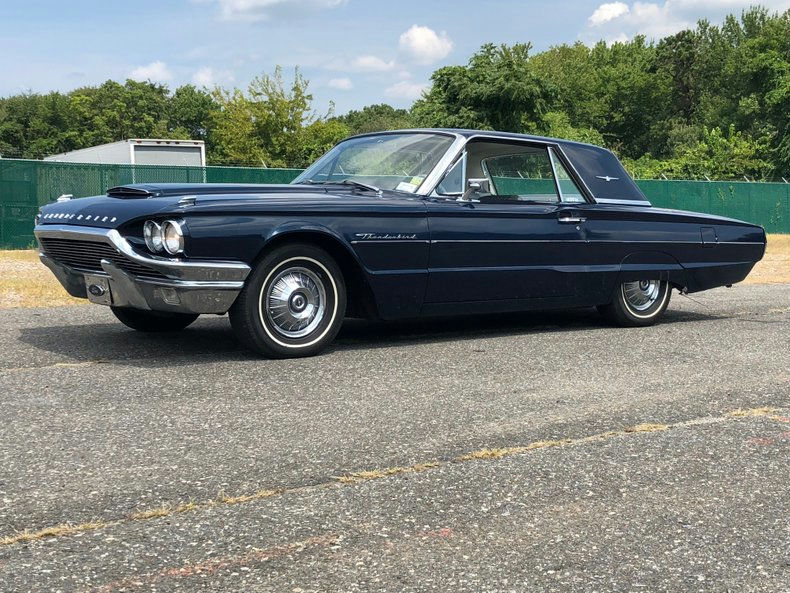
- Restoration Title
- Value of Ford Thunderbird 1955–1966 After Restoration
Overview
The Ford Thunderbird, introduced in 1955, quickly became an icon of American automotive design. Initially launched as a two-seater, personal luxury car, it enjoyed a successful debut, influencing the auto market with its sleek lines and sophisticated styling. Over the years, the Thunderbird evolved through several body styles and mechanical updates, with the 1966 model marking the end of its fourth generation. These vehicles often featured powerful V8 engines and a range of luxurious interior options, showcasing a blend of performance and comfort. Understanding the historical significance and unique characteristics of the Thunderbird from this era is essential, as these factors heavily influence restoration costs. Enthusiasts and collectors covet the classic design, and the demand for original parts and specialized craftsmanship can make restorations both complex and costly. Comprehensive knowledge of the Thunderbird's evolution is crucial for appreciating its restoration nuances and the financial investments involved.
Factors content
Vehicle Condition
The initial condition of your Ford Thunderbird is a major factor in determining restoration costs. A Thunderbird that has been well-preserved and maintained over the years will require less work than one that is rusted or has significant body damage.
- Complete vehicles with minimal rust will have lower restoration costs.
- Missing parts or severely damaged areas can significantly increase expenses.
Parts Availability
The rarity and availability of parts needed for restoration greatly affect the cost. Original parts might be more expensive due to scarcity, while aftermarket parts could offer some relief in costs but may compromise authenticity.
- Original and rare parts can be highly expensive.
- Aftermarket parts may reduce costs but can vary in quality.
Labor and Expertise
The expertise required for restoring a classic vehicle like the Ford Thunderbird can influence the price. Skilled restorers with a strong track record will typically charge more for their services.
- Hiring a professional restoration expert can be costly but often ensures quality work.
- DIY projects can save on labor costs but require significant time and skill.
Restoration Extent
The depth and scope of the restoration project play a crucial role. Some may prefer just a cosmetic restoration to make the car look new, while others may opt for a comprehensive overhaul that involves mechanical and electrical systems.
- Cosmetic restorations generally cost less than full mechanical rebuilds.
- Comprehensive projects take more time and incur higher costs.
Levels Content
Driver Quality Restoration
- Driver quality restoration focuses on making the Thunderbird roadworthy and presentable without requiring it to be in show condition.
- This level typically includes mechanical repairs, safety feature upgrades, and basic cosmetic improvements like fresh paint and minor interior touch-ups.
- Costs are generally lower because the focus is on function and appearance rather than perfection.
Partial Restoration
- Partial restoration involves a more thorough approach, targeting specific areas of the vehicle that need attention, such as the engine, body, or interior.
- This level may include rebuilding the engine, addressing rust issues, and refurbishing key interior components.
- The costs can be moderate to high, depending on the parts and services required.
Concours/Show Quality Restoration
- Concours or show quality restoration is the highest level, aiming to bring the Thunderbird back to its original factory condition or better.
- This involves meticulous attention to detail, as well as premium parts and materials, often resulting in an award-winning vehicle.
- Such projects require significant financial investment and extensive time, making it the most expensive restoration level.
Cost breakdown content
Engine and Transmission
- The cost of rebuilding the engine for a 1955–1966 Ford Thunderbird typically ranges from $4,000 to $7,000, depending on the engine's condition and specifications.
- Transmission repairs or overhauls can cost between $1,500 and $3,500, with automatic transmissions generally being more expensive.
Bodywork and Paint
- Repairing rust, dents, or other body damage might cost anywhere from $2,000 to $5,000. This estimate varies based on severity and the extent of the work needed.
- A quality paint job, including proper preparation and finishing, can range from $3,000 to $10,000, depending on paint type and finish.
Interior Restoration
- Reupholstering the seats, replacing carpets, and restoring the dashboard typically costs between $2,000 and $4,500.
- Significant repairs to the interior panels and headliner might add another $500 to $2,000.
Electrical and Wiring
- Restoring or replacing the electrical system, including the wiring, gauges, and switches, generally costs between $1,500 and $3,000.
- Upgrading the car’s lighting and additional electrical components can cost an extra $500 to $1,500.
Suspension and Steering
- Rebuilding or replacing the suspension and steering components can range from $1,500 to $3,000.
- This includes bushings, shocks, springs, and steering mechanisms necessary for a safe and comfortable ride.
Brake System
- Overhauling the brake system, including the discs, drums, pads, and lines, can cost between $1,200 and $3,000.
- Converting to a modern brake setup, such as disc brakes, can add costs of $500 to $1,500.
Exhaust System
- Repairing or replacing the exhaust system typically ranges from $500 to $1,500.
- Performance upgrades could increase the cost by another $500 to $1,000.
Chrome and Trim
- Rechroming bumpers, trim, and other metalwork can cost between $1,000 and $3,000.
- Restoring or replacing emblems, scripts, and badges adds another $200 to $600.
Wheels and Tires
- A set of new tires and restored or replaced wheels generally ranges from $800 to $2,000.
- Upgrading to period-correct or performance wheels may add an additional $300 to $800.
Considering the above breakdown, the approximate total cost for a complete restoration of a 1955–1966 Ford Thunderbird can range from $18,700 to $50,900.
Tips content
Research and Plan Thoroughly
- Research thoroughly to understand model-specific needs and common restoration pitfalls.
- Set a realistic budget by evaluating current market prices for parts and services.
- Consider consulting with a knowledgeable enthusiast or joining a Thunderbird restoration forum for advice.
Sourcing Parts Wisely
- Use online marketplaces, swap meets, and classic car clubs to find affordable parts.
- Consider purchasing aftermarket parts cautiously when original components are unavailable or too costly.
- Look for parts cars that can provide multiple components at a lower cost.
DIY When Possible
- Identify restoration tasks that match your skill level to manage as do-it-yourself projects.
- Invest time in learning skills like bodywork, upholstery, and mechanical repairs through workshops or online tutorials.
- Ensure you have the proper tools to avoid damage, which could lead to additional expenses.
Partner with Skilled Enthusiasts
- Partner with local car clubs to exchange labor or resources with fellow enthusiasts.
- Seek out retired mechanics or hobbyists willing to assist for modest fees or trade services.
- Attend restoration workshops or networking events to connect with experienced individuals.
Prioritize Restoration Tasks
- Create a priority list that addresses crucial structural and mechanical tasks before cosmetic work.
- Stagger less critical restoration tasks over an extended period to manage costs efficiently.
- Combine smaller jobs to negotiate better rates with restoration experts due to bulk work.
Regularly Track Expenses
- Maintain a detailed spreadsheet tracking all costs against the initial budget.
- Adjust financial allocations based on unexpected expenses to prevent budget overruns.
- Regularly reassess progress and refocus efforts on cost-effective strategies if required.
Value content
Analyzing Market Value Post-Restoration
Restoring a Ford Thunderbird from the 1955–1966 era offers more than just the joys of reviving a classic; it's essential to analyze the potential market value to determine the return on investment (ROI). The market value of a restored Thunderbird depends on the model, the quality of the restoration, and the current market demand. Typically, first-generation Thunderbirds (1955-1957) hold the highest value post-restoration due to their iconic design and nostalgic appeal. A well-restored 1955 Ford Thunderbird can command prices between $45,000 and $70,000. Models from 1958 to 1966, often seen as less iconic but still invaluable, usually see a market value ranging from $30,000 to $55,000 when restored to a high standard.
Return on Investment (ROI) Considerations
When evaluating ROI, it's crucial to weigh restoration costs against potential gains. Restoration costs can range from $20,000 to $50,000, depending on the car's initial condition and the level of detail involved. For those who undertake much of the restoration work themselves, the costs can be substantially lower, increasing potential returns. For instance, investing $30,000 in the restoration of a Thunderbird that sells for $60,000 yields an ROI of approximately 100%. However, it's important to factor in market fluctuations, as the classic car market can be volatile. Also, valuations can be subjective, heavily influenced by factors like the car’s provenance, originality, and color.
Market Dynamics and Long-term Investment
The classic car market, including vintage Thunderbirds, often appreciates over time, offering long-term investment potential. While the immediate ROI can be appealing, many enthusiasts invest with the expectation of value growth over the years. Holding onto a restored Thunderbird for a decade might not only provide enjoyment but also increase its market value depending on trends in the classic car sector. Monitoring auction results and consulting with classic car appraisers can provide valuable insights into potential long-term appreciation. Nevertheless, owners should approach restoration more as a labor of love than a guaranteed profit venture.