Ford Mustang Restoration Costs: 1964–1973 Models
The Ford Mustang , first introduced in 1964 , quickly became an iconic symbol of American automotive ingenuity, capturing the spirit of the muscle car era. Spanning its first generation from 1964 to …
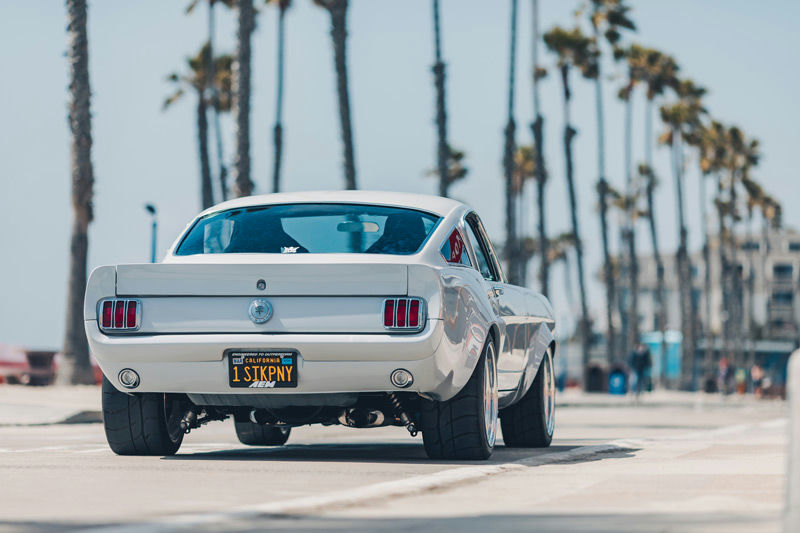
- Restoration Title
- Value of Ford Mustang 1964–1973 After Restoration
Overview
The Ford Mustang, first introduced in 1964, quickly became an iconic symbol of American automotive ingenuity, capturing the spirit of the muscle car era. Spanning its first generation from 1964 to 1973, the Mustang evolved through various styles and performance enhancements, each representing social and technological shifts. The early models, often classified by collectors into separate generations between 1964–1966, 1967–1968, and 1969–1973, showcase significant design evolution. The original 1964½ models are particularly prized, recognized for their distinct variations from subsequent years. The popularity of Mustangs from this era is reinforced by their roles in countless movies and pop culture references, solidifying their status as collectibles. These vehicles, known for their robust build and powerful engines, face considerable restoration challenges due to age-related wear and original parts scarcity. Understanding this backdrop is crucial when considering the financial implications of restoring a classic Mustang to its former glory.
Factors content
Initial Condition of the Vehicle
The starting point of a restoration project is heavily influenced by the car's current condition. A Ford Mustang that has been well-preserved or partially restored will require less work and fewer parts compared to one that is heavily rusted or has missing components. The state of the frame, engine, interior, and body panels will dictate the baseline costs, as more deterioration necessitates more extensive renovations and replacements.
Availability of Parts
The cost of restoring a Ford Mustang can be significantly impacted by the availability and price of replacement parts. Original parts that are rare or no longer in production can command higher prices, whereas reproduction parts are generally more affordable but may vary in quality. Sourcing genuine parts can be both a challenge and a significant expense for restorers looking to maintain authenticity.
Labor Costs and Expertise
Labor is another major factor affecting restoration costs. The skill level and expertise of the restorer or restoration shop can affect both the quality and price of the work. Specialized services, such as bodywork, upholstery, or engine rebuilding, may require seasoned professionals whose rates reflect their expertise. DIY enthusiasts might reduce costs by doing some labor themselves, but this can extend project timelines and potentially compromise quality if not done correctly.
Desired Level of Restoration
The final cost is also determined by the desired outcome of the restoration. Some owners aim for a showroom-quality, concours-level restoration that replicates the car's original condition in every detail. Others may opt for a more moderate refurbishment to achieve a reliable driver-quality vehicle. The higher the level of restoration, the more detailed and costly the work will become, affecting the choice of materials, finishes, and level of originality.
Market Trends and Demand
Market demand for classic cars can influence restoration costs. In periods of high interest in vintage Mustangs, parts prices may rise due to increased competition, driving up the overall project cost. Additionally, vehicles restored during these times might have a better return on investment, incentivizing higher spending on restoration to capture potential future profitability.
Levels Content
Survival Restoration
- This is the most basic level of restoration where the main focus is on making the vehicle roadworthy and presentable.
- Typically involves necessary repairs to get the car in running condition, addressing critical mechanical issues.
- Cosmetic enhancements might include basic cleaning and minor touch-ups.
- Average cost: $3,000 to $7,000, highly dependent on the initial condition of the car.
Driver Restoration
- This level focuses on improving both the mechanical and cosmetic aspects to a point where the car is reliable for regular use.
- Common upgrades include overhauling the engine, transmission, and suspension for better performance.
- Exterior and interior work might include repainting and upholstery repairs, aiming for a good appearance when driven.
- Average cost: $8,000 to $15,000, with varying complexity and quality of materials.
Show Quality Restoration
- Aimed at achieving near-perfect restoration, making the car suitable for showing at events and competitions.
- Full teardown and rebuild of major components, ensuring everything functions as new and is period-correct.
- Top-tier paint jobs, precision bodywork, and meticulous attention to interior details are standard.
- Average cost: $20,000 to $50,000, costs can escalate based on authenticity and detail level.
Concours Restoration
- This is the highest level of restoration, aiming for absolute authenticity and perfection.
- No expense is spared in sourcing original parts, and work is performed by specialists to original factory specifications.
- Often involves intricate detailing, down to factory markings and finishes, suitable for Concours d'Elegance events.
- Average cost: $50,000 to $100,000 or more, often requiring several years to complete.
Cost breakdown content
Bodywork and Paint
- Sheet Metal Replacement: This step involves replacing rusted or damaged panels such as fenders, doors, and quarter panels. Depending on the availability of parts or the extent of customization, costs can range from $500 to $1,500 per panel.
- Rust Repair: Professional rust repair can be costly as it involves cutting out rust, patching, and sometimes fabricating parts. This can range from $100 for small areas to several thousand dollars for extensive repairs.
- Paint Job: A quality paint job can significantly enhance the car’s aesthetic and value. A basic one can cost about $3,000, while a show-quality finish can reach upwards of $10,000.
Engine and Transmission
- Engine Rebuilding: Rebuilding the existing engine might cost between $2,500 and $4,000 depending on the condition and specifications. A complete engine replacement or upgrade can range from $5,000 to $10,000 or more.
- Transmission Overhaul: Restoration often includes transmission work, which can vary from a simple repair ($1,500) to a rebuild or replacement ($3,000–$5,000).
Suspension and Braking System
- Suspension Repair: Replacing shock absorbers, springs, and other suspension parts can range from $1,000 to $3,500, depending on the type of suspension system chosen.
- Brake System Upgrade: A new braking system, especially if upgraded from drums to discs, can cost between $1,000 and $2,500.
Interior Restoration
- Upholstery: Restoring or replacing seat upholstery, dashboard, and carpet can range from $1,500 to $4,000, depending on materials and extent of restoration.
- Electrical System: Rewiring the electrical system and ensuring all components work properly can cost between $1,000 and $2,500.
Exhaust System
- Muffler and Piping: Restoring or upgrading the exhaust system for performance or sound quality typically costs between $500 and $2,000.
Wheels and Tires
- Wheel Restoration: Restoration of original wheels or replacement with period-appropriate replicas can cost around $1,000 to $2,000.
- Tires: Purchasing new tires ranges from $400 to $1,000, depending on brand and size.
Miscellaneous Costs
- Chrome and Trim Work: Restoring the chrome and trim pieces can add $1,000 to $3,000 to the total cost based on their condition and whether parts are re-chromed or replaced.
- Authenticity and Detailing: Seeking authenticity with period-correct parts and meticulous detailing can add additional costs, varying widely from $500 for specialty items to several thousand dollars based on market availability.
Tips content
Utilize Parts from Salvage Yards and Online Marketplaces
- Explore salvage yards in your area, where you can find authentic, used parts at a fraction of the cost of new ones. Always inspect parts for wear and damage before purchasing.
- Search online marketplaces like eBay and Craigslist for second-hand parts. Compare prices from various sellers to ensure you're getting the best deal.
- Join Mustang-specific forums and groups on social media platforms where members often sell spare parts at reasonable prices.
Perform DIY Repairs Where Possible
- Invest time in learning basic restoration and repair skills through online tutorials and guides. This knowledge can save you substantial labor costs.
- Purchase a comprehensive repair manual for your specific Mustang model. These manuals provide step-by-step instructions for various repairs and maintenance tasks.
- Before starting a DIY project, ensure you have the necessary tools and workspace to avoid disruptions and additional costs.
Prioritize Restoration Tasks
- Create a detailed list of restoration tasks and categorize them based on urgency. Focus on essential mechanical repairs first to ensure the vehicle runs smoothly.
- Defer aesthetic enhancements like paint jobs and upholstery replacements if they're not immediately necessary, spreading out costs over time.
- Regularly review and update your restoration plan based on progress and budget changes to stay on track and avoid unexpected expenses.
Buy in Bulk and Use Discounts
- When purchasing frequently used items like nuts, bolts, and other consumables, buy in bulk to take advantage of discounts.
- Sign up for newsletters or loyalty programs from online auto parts stores to receive notifications about promotions and exclusive discounts.
- Use coupons and look for sales during holidays or special events when parts are often discounted.
Network with Other Enthusiasts
- Attend local car shows and Mustang clubs to connect with other enthusiasts who can provide valuable advice and share resources.
- Exchange spare parts with fellow restorers, or organize group buys to reduce costs on bulk purchases.
- Learn from others' experiences with different vendors and specialists, potentially uncovering more affordable and reputable options for your own restoration project.
Value content
Understanding Potential ROI
One of the primary motivations for restoring a classic Ford Mustang, particularly models from the golden era of 1964 to 1973, is the potential return on investment (ROI). Restoring these iconic vehicles can significantly boost their market value, and successfully executed restorations often see strong financial rewards. For instance, the average cost for restoring a Mustang from this period can range from $30,000 to $100,000, depending on the level of restoration and parts used. However, a well-restored 1964–1973 Mustang can fetch anywhere from $45,000 to over $150,000 at auction or through private sale.
Market Value Considerations
In determining the market value of a restored 1964–1973 Ford Mustang, several factors come into play:
- Model and Year: Certain models, such as the Shelby GT350 or the Boss 302, are more sought after and command higher prices compared to standard versions.
- Quality of Restoration: A high-quality, professional restoration that returns the car to its original specifications can significantly increase its value. Authentic parts, period-correct paint, and meticulous attention to detail are critical.
- Rarity and Originality: Vehicles with original parts and numbers-matching components are deemed more valuable. Cars with rare features or limited production runs further drive up interest and price.
- Market Trends: The classic car market is subject to trends and fluctuations. Economic conditions, demand for specific models, and historical significance can all influence prices. Recently, increased interest in classic cars as alternative investments has driven up prices.
Final Thoughts on Investment
While restoring a 1964–1973 Ford Mustang can be expensive, the allure of potentially turning a profit is enticing to many car enthusiasts and investors. On average, owners might see a profit margin of 20% to 30% over their restoration costs, assuming all conditions — quality, rarity, and market — align favorable. However, the true return goes beyond finance, as collectors often value the satisfaction of bringing a legendary American muscle car back to life. This intrinsic reward often complements any financial gains, making the restoration process both a personal fulfillment and a potentially lucrative endeavor.