Ford GT40 Restoration Costs: 1964–1969 Models
The Ford GT40 , developed between 1964 and 1969 , is a legendary sports car celebrated for its dominance at Le Mans, where it secured four consecutive victories from 1966 to 1969 . Conceived to chall…
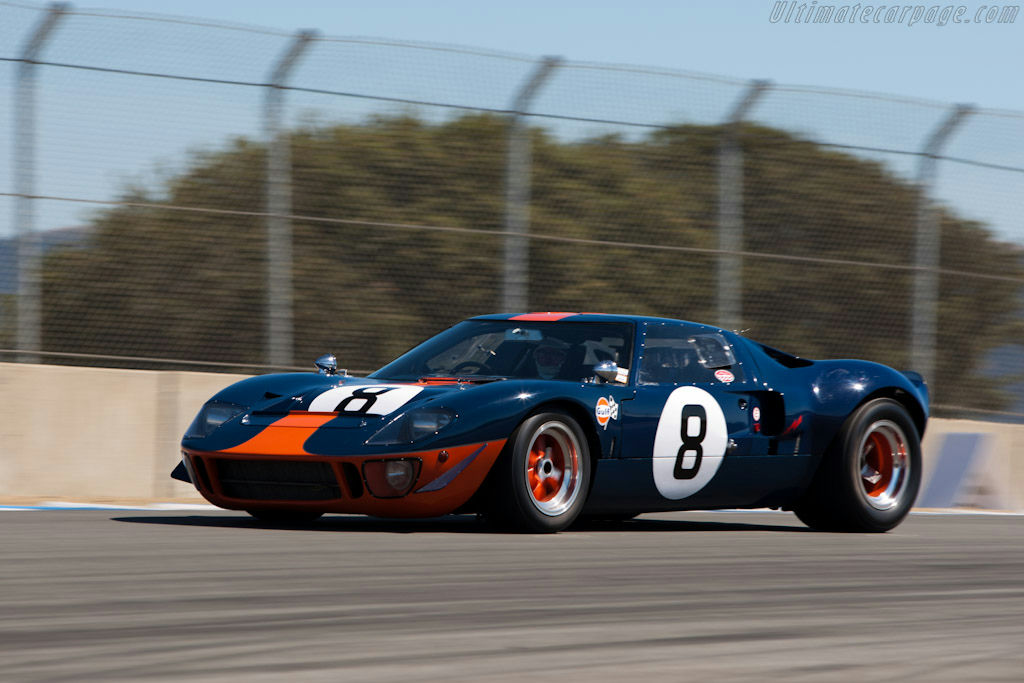
- Restoration Title
- Value of Ford GT40 1964–1969 After Restoration
Overview
The Ford GT40, developed between 1964 and 1969, is a legendary sports car celebrated for its dominance at Le Mans, where it secured four consecutive victories from 1966 to 1969. Conceived to challenge Ferrari, the GT40 emerged as a powerful symbol of American engineering prowess, featuring a sleek, aerodynamic design and a robust V8 engine. Originally produced in limited numbers, these cars have become highly coveted by collectors and enthusiasts. The GT40's rarity, coupled with its racing pedigree and historical significance, contributes substantially to its allure and the complexity of its restoration. Given the meticulous craftsmanship required to maintain its performance and authenticity, restoration involves sourcing original parts and hiring experts familiar with the technical intricacies of vintage racing machines. Consequently, restoration costs can be substantial, reflecting both the car's iconic status and the intricacies involved in preserving its heritage.
Factors content
Rarity and Originality
- The rarity of original Ford GT40 parts significantly impacts restoration costs. Authentic, period-correct parts are scarce and often fetch high prices.
- Maintaining originality is crucial for collectors, thus increasing the value and cost of sourcing genuine components.
Condition and Extent of Restoration
- The initial condition of the car considerably affects restoration expenses. A vehicle in poor condition may require extensive structural repairs, leading to higher costs.
- The extent of restoration—whether a full, partial, or cosmetic makeover—also influences the budget.
Labor and Expertise
- The availability of skilled restorers specializing in GT40 models is limited, often resulting in higher labor costs.
- The complexity of the restoration process, demanding expertise, and meticulous attention to detail further increase expenses.
Market Trends and Demand
- Fluctuations in market demand for classic and vintage cars can affect restoration costs, with higher demand potentially driving up prices for parts and services.
- Trends in the collector car market can also influence the perceived value of a restored GT40, impacting investment decisions.
Time Frame
- The timeline for restoration can affect costs, with expedited projects often incurring additional expedited fees.
- The project timeline also influences the availability of both parts and expert labor.
Customization and Upgrades
- While purists may insist on original specifications, some owners opt for modern upgrades or customizations, impacting the overall budget.
- Customization to enhance performance or aesthetics introduces additional costs but can enhance the vehicle's appeal.
Levels Content
Concours Restoration
- Typically reserved for the most historically significant vehicles.
- Aim to return the vehicle to original factory condition.
- Focus on authentic parts and meticulous craftsmanship.
- May involve extensive research and sourcing rare components.
Show-Level Restoration
- Prioritizes aesthetic appeal and an overall show-quality finish.
- Might slightly deviate from factory specifications for a better presentation.
- High attention to detail but not necessarily with all original parts.
Driver Restoration
- Focus on making the car fully operational and enjoyable to drive.
- Balancing functionality with appearance, but not striving for perfection.
- May include modern upgrades for reliability and comfort.
Preservation
- Conservation of existing condition, focusing on minimal intervention.
- Aims to retain as much of the original materials and finishes as possible.
- Appropriate for vehicles with historical significance and originality.
Cost breakdown content
Engine and Drivetrain
- Engine Rebuild: The cost to rebuild a Ford GT40 engine can vary significantly depending on the condition. Expect to spend anywhere from $15,000 to $30,000 on a comprehensive rebuild, which includes parts and labor.
- Transmission Overhaul: Restoring the original ZF 5-speed manual transmission can cost around $10,000 to $15,000, including the replacement of worn-out components.
- Exhaust System: A period-correct exhaust replacement will cost about $3,000 to $5,000.
Body and Paint
- Bodywork and Fabrication: Repairing and restoring the GT40’s iconic body panels can cost between $20,000 and $50,000 depending on the extent of damage and the need for custom fabrication.
- Painting: A high-quality paint job that honors the original color and finish will range from $10,000 to $15,000.
- Rust Removal and Prevention: Tackling rust issues is crucial and can add approximately $5,000 to $10,000 to the budget.
Interior Restoration
- Upholstery and Carpeting: Refurbishing the GT40’s interior can set you back $5,000 to $8,000, focusing on authenticity.
- Dashboard and Instrumentation: Restoring original gauges or replacing them with replicas costs around $3,000 to $5,000.
- Steering Wheel and Controls: Adding or restoring period-correct components can range from $2,000 to $4,000.
Suspension and Brakes
- Suspension Overhaul: Restoring the suspension system will generally run between $8,000 and $12,000, focusing on high-quality parts for optimal performance.
- Brake System Restoration: Including calipers, rotors, and lines, the cost will be approximately $5,000 to $8,000.
Electrical Components
- Wiring Harness Replacement: Ensuring reliability, a new wiring harness installation can cost $3,000 to $5,000.
- Lighting System: Restoring the headlights, taillights, and signal lights may add another $2,000 to $4,000.
Miscellaneous
- Tires and Wheels: A new set of period-correct tires and wheels may run between $4,000 and $7,000.
- Badge and Emblems Replacement: Accurate reproductions can cost $1,000 to $2,500.
- Documentation and Certification: Ensuring historical accuracy and provenance might add another $2,000 to $3,000 to the total cost.
In total, the comprehensive restoration of a Ford GT40 from 1964–1969 can cost anywhere from $100,000 to $175,000, depending on the car’s initial condition and the level of authenticity and detail desired.
Tips content
Invest in a Comprehensive Assessment
- Begin with a thorough inspection by a classic car expert to identify critical issues and prioritize repairs.
- This initial investment can save money by avoiding unnecessary repairs and focusing on high-impact areas first.
Source Quality Used Parts
- Rather than buying new, look for gently used or refurbished parts from reputable sources.
- Attend classic car swap meets or browse online forums where enthusiasts sell parts at a fraction of the cost.
Utilize Skilled Enthusiasts for Labor
- Consider hiring skilled hobbyists or freelance mechanics who specialize in Ford GT40s rather than expensive professional shops.
- Join local or online GT40 enthusiast groups to network and find reliable labor resources.
Plan for Phased Restorations
- Break down the restoration into phases to spread out costs and manage expenses better over time.
- Tackle the most critical elements first, such as mechanical and safety issues, before moving on to cosmetic improvements.
Perform DIY Tasks
- Handle simple tasks yourself, like cleaning, rust removal, or basic maintenance, to reduce labor costs.
- Invest in quality tools and consider taking automotive workshops to build your skill set for tackling basic restoration jobs.
Negotiate and Shop Around
- Always compare prices from multiple vendors and negotiate where possible to get the best deals on parts and services.
- Don’t hesitate to ask for discounts or price matches, especially when buying in bulk.
Maintain Detailed Records
- Keep meticulous records of all parts purchased and work performed to avoid overbuying and ensure accountability.
- Detailed records can also enhance the car's resale value, effectively recuperating some of the restoration costs.
Value content
Market Value of Restored Ford GT40 Models
When considering the restoration of a Ford GT40, it's vital to understand the substantial increase in market value that a fully restored model can achieve. Restored Ford GT40s from the 1964–1969 era are highly sought after by collectors and automotive enthusiasts. An original restoration can push the market value to extraordinary levels. As of recent market data, a well-restored Ford GT40 can command prices ranging from $3 million to over $9 million, depending on the vehicle's history, restoration quality, and provenance.
Return on Investment (ROI) Considerations
The potential ROI for restoring a Ford GT40 is significantly influenced by several factors:
- Initial Acquisition Cost: The initial purchase price of an unrestored Ford GT40 can vary widely. Typically, an unrestored GT40 might be acquired for anywhere between $1 million to $3 million, depending on the condition and originality.
- Restoration Expenses: High-quality restoration costs can range from $500,000 to $1 million or more due to the intricate details and originality required in the process.
- Market Appreciation: These vehicles often appreciate in value, driven by global collectors' demand and the historical significance and rarity of the model.
Additional Factors Affecting Restoration Value
Beyond ROI and market appreciation, several factors further impact the restored value of Ford GT40s:
- Historical Significance: Models with significant racing history, such as those with Le Mans or other racing provenance, may reach the higher end of the market value spectrum.
- Rarity and Originality: The rarity of specific models or components and the extent to which original materials and specifications are preserved during restoration play significant roles in determining value.
- Collector Sentiment: The buyer's perception and emotional attachment to the GT40's legacy in motorsport can drive higher values at auction or private sale.