Ford Falcon Restoration Costs: 1960–1970 Models
The Ford Falcon , produced between 1960 and 1970 , holds a special place in automotive history as a pioneer in the compact car segment. Designed to counter the popularity of European imports, the Fal…
- Restoration Title
- Value of Ford Falcon 1960–1970 After Restoration
Overview
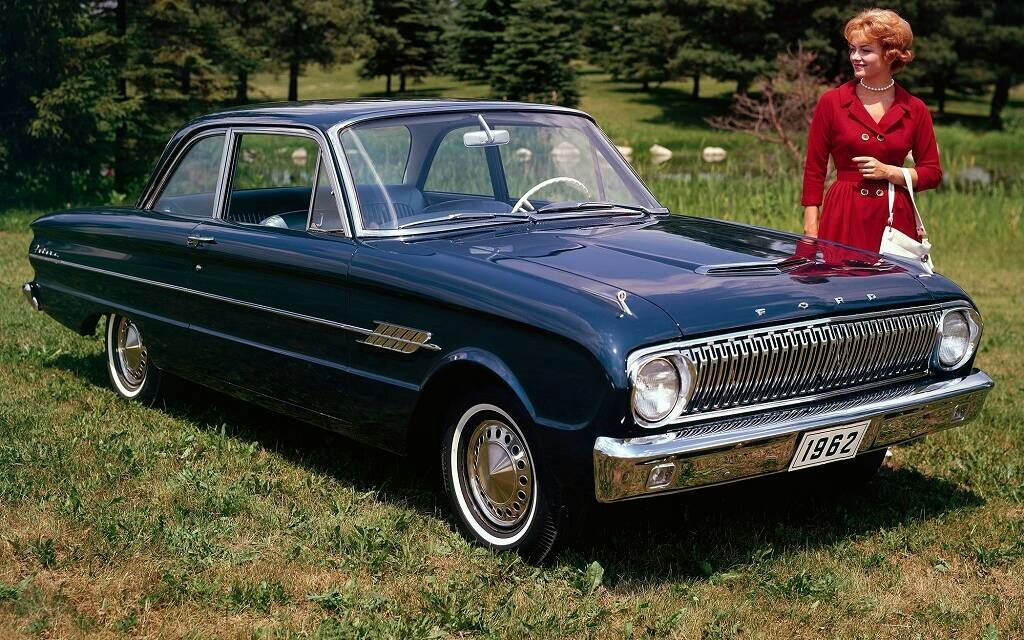
The Ford Falcon, produced between 1960 and 1970, holds a special place in automotive history as a pioneer in the compact car segment. Designed to counter the popularity of European imports, the Falcon quickly gained a reputation for being reliable, efficient, and affordable. Over its decade-long production, it underwent various transformations, from a practical family vehicle to a sporty sedan and even a muscle car by the late 1960s. Key features included diverse engine options, from the basic 144 cubic inch inline-six to the powerful V8s in later models. The Falcon's adaptability and appeal across different consumer needs make it a favorite among classic car enthusiasts. Restoring these vehicles requires understanding the historical significance and diverse configurations, which can significantly impact restoration costs. Whether you aim for authenticity or a custom build, restoring a Ford Falcon offers a chance to revive a piece of Americana and celebrate a pivotal era in automotive evolution.
Factors content
Vehicle Condition and Rarity
The initial condition of a Ford Falcon greatly impacts restoration expenses. Vehicles with significant rust or structural damage will require more extensive repairs, leading to higher costs. Additionally, considering the rarity of certain models or trim packages can influence pricing, especially if specific parts are hard to find.
Parts Availability and Cost
Access to original or reproduction parts can vary greatly for Ford Falcons from 1960 to 1970. If parts are scarce, restoration may require custom fabrication, driving up costs. Even when parts are available, prices can fluctuate based on demand, condition, and originality.
Labor and Expertise
Labor costs significantly affect restoration budgets. Hiring skilled professionals with expertise in vintage vehicles typically involves higher hourly rates, but can ensure quality and authenticity in restoration. The complexity of tasks—such as engine rebuilding or bodywork—also contributes to labor costs.
Customization and Upgrades
The owner's vision for the restoration—a faithful return to factory specifications versus extensive customization or performance upgrades—will influence expenses. Customizations might include special paint jobs, modern technology integration, or engine modifications, all of which can raise costs.
Location and Shop Rates
Geographic location plays a role in restoration pricing. Shops in urban or high-cost-of-living areas often charge more for services. It’s crucial for restorers to consider regional cost variances when budgeting for a project.
Timeframe and Project Scope
The scope of the restoration and the desired timeframe can also impact costs. A full restoration, involving every aspect of the vehicle, will naturally cost more than partial projects. Furthermore, expedited timelines may incur additional charges to meet deadlines.
Levels Content
Driver-Quality Restoration
- This level focuses on making the car functional and presentable for regular driving.
- Parts may be repaired or replaced to ensure reliability and safety.
- Paint and finish may show some wear, but the vehicle looks good at a distance.
- Costs are relatively moderate, balancing aesthetics and functionality.
Show-Quality Restoration
- This level aims for a high standard of finish and mechanical perfection.
- Includes thorough engine and mechanical restoration for peak performance.
- High-quality paintwork and interior restoration are prioritized.
- Costs are higher due to the attention to detail and quality materials used.
Concours-Quality Restoration
- Focuses on achieving authenticity and near-original condition.
- Every component is either restored or replaced to factory specifications.
- The detailing and finishing are impeccable, often surpassing original standards.
- Costs can be very high due to the meticulous nature of the work involved.
Cost breakdown content
Body and Paintwork
- **Body Panel Replacement:** Depending on the extent of rust and damage, replacing body panels can range from $500 to $2,000 per panel. Full-body panel replacement for severe cases might cost upwards of $10,000.
- **Painting and Finishing:** A professional paint job can significantly vary in cost. A basic paint job can start around $3,000, while a show-quality finish may exceed $10,000.
- **Rust Removal and Treatment:** Rust is a common issue in older Falcon models. Expect to pay between $1,000 and $3,000 for rust treatment and prevention.
Engine and Transmission
- **Engine Rebuild:** Rebuilding the engine involves replacing worn components and can range from $2,500 to $4,500, depending on the extent of wear and modifications desired.
- **Transmission Overhaul:** A complete transmission rebuild may cost from $1,500 to $3,000, depending on whether it's automatic or manual and the extent of wear.
- **New Exhaust System:** Replacing the exhaust system can range from $300 for a basic installation to $1,200 for a performance system.
Interior Restoration
- **Upholstery Replacement:** New seat covers, carpet, and headliners can range from $1,000 to $3,500, depending on the material and quality.
- **Dashboard and Instrumentation:** Repairing or replacing the dashboard and instruments can cost between $800 and $2,000.
- **Sound System:** Installing a period-appropriate or modern sound system can vary from $200 to $1,000.
Suspension and Brakes
- **Suspension Rebuild:** Restoring the suspension system, including shocks and springs, might range between $1,200 and $3,500.
- **Brake System Overhaul:** Replacing and upgrading brakes can cost from $600 to $2,500.
Electrical and Miscellaneous
- **Wiring and Electrical Work:** A complete rewiring could range from $1,200 to $3,000, depending on the vehicle's electrical complexities.
- **Miscellaneous Costs:** Additional costs such as new tires, chrome work, and details like badges and trim could add another $1,000 to $3,000.
Given the various components and the range of work involved, the total cost to restore a 1960-1970 Ford Falcon can vary widely. On average, a comprehensive restoration for such models can range from $15,000 to $40,000.
Tips content
Research and Plan Thoroughly
- Identify common issues with the specific model year of Ford Falcon you're restoring to anticipate potential problems.
- Create a realistic budget by listing all potential expenses, including parts, labor, and unexpected repairs.
- Join online forums or local clubs to gain insights and tips from experienced restorers.
Source Parts Wisely
- Compare prices across various platforms such as specialized restoration shops, online marketplaces, and local swap meets.
- Consider purchasing reproduction parts when original parts are too costly.
- Don't overlook the potential savings from refurbished or used but good-quality parts.
Do It Yourself Where Possible
- Learn basic car restoration skills through online tutorials and workshops to complete tasks such as cleaning, sanding, or painting.
- Invest in quality tools that can help you perform DIY tasks more effectively.
- Practice on non-essential parts to build your confidence and skill.
Prioritize Projects
- Focus on essential repairs first, such as engine performance and safety features.
- Postpone non-essential cosmetic upgrades like interior detailing until the major projects are completed.
- Create a phased plan that schedules different tasks over a period to manage workflow and expenses efficiently.
Consider Partial Restoration
- If the car is in relatively good condition, undertake a partial restoration to save money by focusing only on areas that truly need attention.
- Partial restorations can significantly reduce both labor and parts costs while still improving the vehicle's value.
- Document unfinished areas to tackle in the future without having to remember details of the current state.
Value content
Understanding Market Value
Restoring a Ford Falcon, particularly from the 1960–1970 era, can significantly increase its market value, turning the investment into a worthy venture. The exact market value of a restored Ford Falcon will largely depend on factors like the model, rarity, condition, and authenticity of the restoration. For instance, a well-restored 1965 Ford Falcon Sprint might be valued between $25,000 and $40,000 at auction. This is a substantial increase from its unrestored condition, where it might only fetch between $5,000 and $10,000. Collectors often seek models with original parts, documented provenance, and those that have undergone a meticulous, period-correct restoration.
Analysing Return on Investment (ROI)
The return on investment for a restored Ford Falcon can vary widely. Initial costs can range from $15,000 to $45,000, depending on the state of the vehicle and the extent of restoration required. This includes not only parts and labor but also potential upgrades to enhance performance or aesthetics. However, when the restoration is executed exceptionally, and especially if the vehicle is a sought-after model such as the 1964 Ford Falcon Futura Convertible, owners can expect a favorable ROI. Cars that are professionally restored often command 2 to 3 times their restoration cost in the marketplace.
Factors Influencing Post-Restoration Value
- Model and Rarity: Limited production models or those with special features typically appreciate more after restoration.
- Restoration Quality: High-quality restorations that remain true to the original can significantly enhance value.
- Marketplace Demand: Trends in classic car auctions and private sales can influence the ROI.
- Documentation: Keeping records of the restoration process can add credibility and value.
Owners are encouraged to research thoroughly and consult with experts to maximize their vehicle's post-restoration valuation potential. By considering these elements, enthusiasts can improve their chances of a lucrative investment in their restored Ford Falcon.