Ford Capri Restoration Costs: 1969–1974 Models
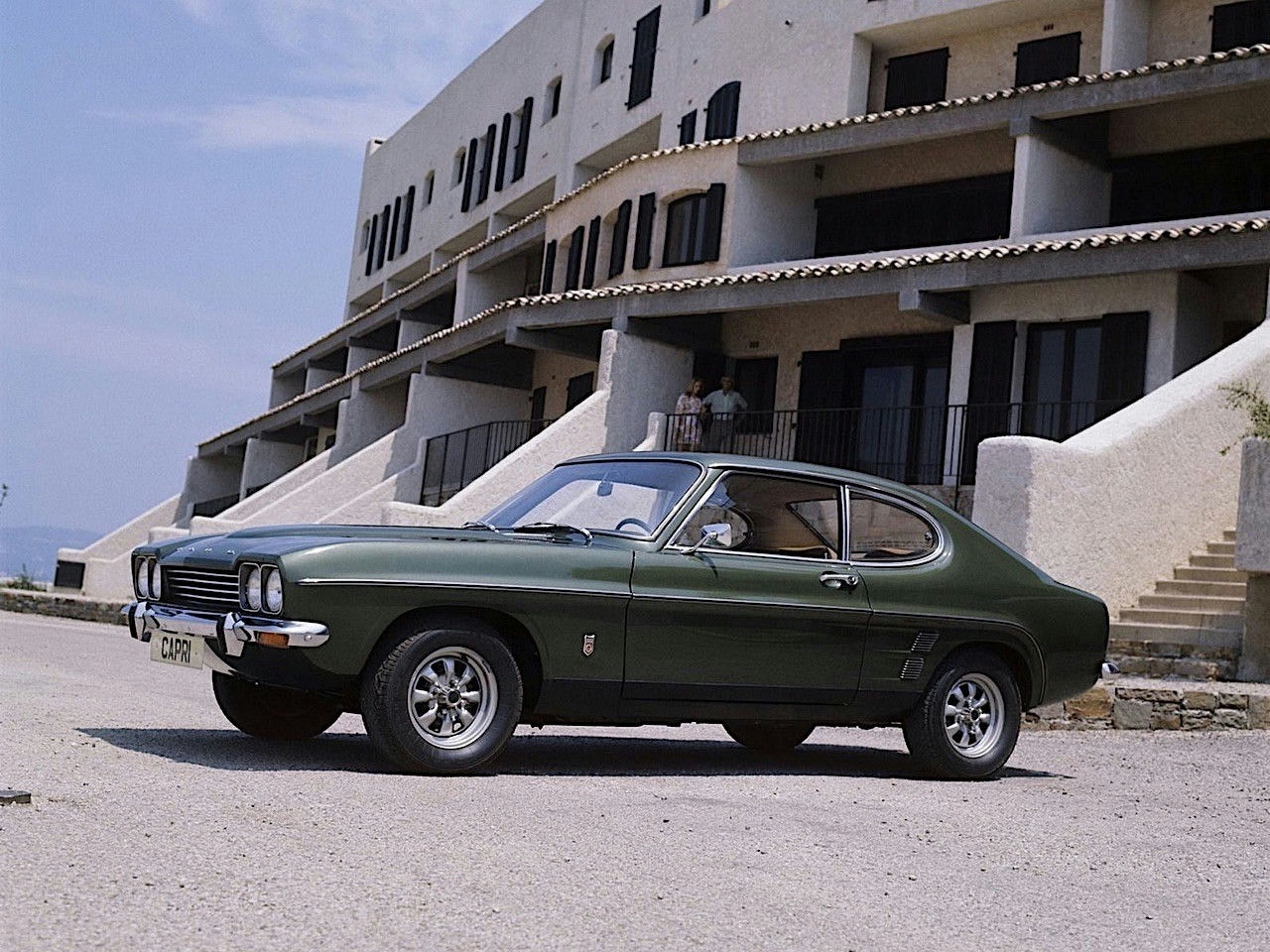
The Ford Capri , produced from 1969 to 1974 , is a classic European sports coupe, often referred to as the "European Mustang". This model was designed to offer an affordable yet sporty driv…
- Restoration Title
- Value of Ford Capri 1969–1974 After Restoration
Overview
The Ford Capri, produced from 1969 to 1974, is a classic European sports coupe, often referred to as the "European Mustang". This model was designed to offer an affordable yet sporty driving experience, featuring a variety of engines ranging from the modest 1.3-liter to the more powerful 3.0-liter V6, suited to different markets and performance preferences. With its sleek styling, reminiscent of American muscle cars, and a long hood with a fastback rear, the Capri captured the imagination of driving enthusiasts across the continent. The vehicle gained popularity for its versatility, affordability, and driving dynamics, cementing its place in automotive history and leading to a dedicated following of collectors over the years. Today, the restoration of a Ford Capri from this era involves bringing back the unique charm and performance of these iconic models, requiring careful attention to authenticity and detail, which impacts overall restoration costs significantly.
Factors content
Condition of the Vehicle
- The initial state of the Ford Capri will significantly influence restoration costs. A vehicle with substantial rust, a damaged body, or missing parts will require more extensive work and thus, higher expenses.
Availability of Parts
- Finding original parts for models from 1969 to 1974 can be challenging and costly. Rare or hard-to-find components may need to be sourced from specialized suppliers, leading to increased costs.
Level of Restoration Desired
- The extent of the restoration can range from basic functionality and safety improvements to complete, show-quality refurbishments. The level chosen will directly affect both parts and labor costs.
Labor Costs
- Labor is one of the most significant expenses in car restoration. Specialist mechanics familiar with classic Ford models may charge more, but their expertise can be invaluable for a successful restoration.
Customization and Upgrades
- If the restoration includes modern upgrades such as enhanced brakes, contemporary audio systems, or engine modifications, these alterations can substantially increase the cost.
Levels Content
Basic Restoration
- This level focuses on making the vehicle safe and operational.
- Includes essential repairs such as engine tuning, brake repairs, and electrical system checks.
- Exterior repairs may involve minor rust treatment and paint touch-ups.
- Typical costs range from $5,000 to $10,000.
Partial Restoration
- Involves a more comprehensive approach by addressing major mechanical and aesthetic aspects.
- Includes rebuilding or replacing engine components, partial repainting, and interior refurbishing.
- May introduce repro parts where originals are unavailable or costly.
- Expect costs between $10,000 and $20,000 based on the car's condition and sourcing of parts.
Full Restoration
- This level aims to bring the vehicle back to its factory condition or better.
- Involves complete disassembly and reassembly, addressing all mechanical, electrical, and bodywork issues.
- Utilizes original or period-correct parts, often requiring significant labor and expertise.
- Costs can range from $20,000 to $50,000 or more, depending on the rarity of parts and complexity of the restoration.
Concourse Restoration
- Targets a show-quality finish, suitable for exhibitions and competitions.
- Entails meticulous attention to detail, often surpassing original manufacturing specifications.
- Requires sourcing of rare original parts and use of skilled craftspeople.
- Expenses typically exceed $50,000 and can reach six figures for the most authentic restorations.
Cost breakdown content
Bodywork and Painting
- The initial step in any restoration, bodywork may involve rust removal, dent repairs, and panel replacements. Depending on the condition, costs can vary significantly. Expect to spend anywhere from $2,000 to $6,000 on this aspect.
- Following body repairs, a professional paint job is essential. The color choice may affect the price, and a high-quality finish can cost between $3,000 and $5,000.
Engine and Transmission Rebuild
- The Capri's engine may require a full rebuild, depending on its condition. This could involve new gaskets, pistons, and camshafts, resulting in costs ranging from $2,500 to $4,500.
- Transmission work may also be necessary, with rebuilds or replacements costing approximately $1,000 to $2,500.
Suspension and Braking System
- Restoring the suspension to ensure a smooth ride could require new shocks, springs, and linkages, with costs around $1,000 to $2,000.
- Brake system restoration, including calipers, pads, and lines, can range from $500 to $1,500.
Interior Refurbishment
- The Capri's interior might need new upholstery, carpets, dashboard restoration, and seat repairs. This can cost between $2,000 and $4,000.
- Additional interior work, such as restoring or replacing the steering wheel, gear shift, and electrical systems, may add another $500 to $1,500.
Electrical and Lighting Systems
- Restoring the electrical system, including wiring harnesses and gauges, is crucial and can range from $1,000 to $2,000.
- Replacements of headlights, tail lights, and other fixtures can add another $300 to $800.
Miscellaneous Costs
- Additional costs may include new tires, badges, trim pieces, or a new exhaust system. These typically range from $1,000 to $2,000.
- Other unforeseen expenses could arise, so it's advisable to set aside a buffer of around 10% of your total estimated costs.
In conclusion, restoring a Ford Capri from the 1969–1974 period can be a rewarding endeavor but with varying costs. On average, you might expect to spend anywhere from $13,800 to $31,300, depending on the car's initial condition and the quality of the restoration desired.
Tips content
Research and Plan Thoroughly
- Start by collecting as much information as possible about the specific Ford Capri model you're restoring.
- Become familiar with common issues and parts that frequently need replacements.
- Use forums and online communities dedicated to Ford Capri restorations to learn cost-effective methods and solutions from experienced restorers.
Source Affordable Parts
- Search for local salvage yards or car clubs where Capri parts might be available at a lower price.
- Consider purchasing used parts in good condition, but always inspect them for wear and tear.
- Look for aftermarket parts that offer a balance between cost and quality.
Conduct Work Yourself
- Invest time in learning basic restoration skills such as sanding, painting, and mechanical repairs.
- Use online tutorials and guides to perform tasks that don't require advanced skills.
- Rent or borrow tools instead of purchasing them if you’ll use them only occasionally.
Choose Cost-Effective Materials
- Select high-quality but affordable materials for crucial components such as interior upholstery and seals.
- Opt for synthetic oils and fluids that provide longevity at a reasonable price.
- When repainting, consider single-stage urethane paints that are easier to apply and less expensive.
Find Affordable Professionals
- For tasks that require a professional, such as engine rebuilding, shop around to compare prices and reviews.
- Identify independent specialists or enthusiasts who may offer services at lower rates than large auto shops.
- Sometimes, automotive schools offer discounted services performed by supervised students.
Set Realistic Goals
- Prioritize tasks that improve the vehicle's safety and operational functionality over cosmetic enhancements.
- Split the restoration process into phases, focusing on critical areas first to manage costs over time.
- Recognize that a perfect showroom-quality restoration may not be feasible on a limited budget.
Regularly Review Expenses**
- Keep detailed records of all expenditures related to the restoration project.
- Periodically assess the budget to identify areas where you might be overspending.
- Adjust your plans as necessary to avoid financial strain as unexpected costs arise.
Value content
Market Value of Fully Restored Ford Capri (1969–1974 Models)
When it comes to the market value of a fully restored Ford Capri from the 1969–1974 era, it can vary significantly based on various factors including model rarity, condition, and market demand. On average, a well-restored classic Ford Capri Mk1 or Mk2 can fetch between $25,000 and $45,000 at auction as of recent data collected in 2023. Limited edition models or those with a racing history might command prices upwards of $60,000 or more. The condition of the restoration, such as the quality of mechanical components, paint job, and the authenticity of parts used, will further influence the actual market value.
Factors Influencing Return on Investment (ROI)
The potential ROI for restoring a Ford Capri depends heavily on the investment made into the restoration process and the final selling price. Factors to consider include:
- **Initial Purchase Cost**: Acquiring a project Capri can cost between $2,500 and $10,000, contingent on the vehicle's starting condition.
- **Restoration Expenses**: Comprehensive restoration including engine rebuild, bodywork, and interior refurbishment can range from $15,000 to $30,000.
- **Total Investment**: Considering both purchase and restoration, total investment might land between $17,500 and $40,000.
- **Selling Price**: Depending on the quality and desirability of the restoration, selling price might reach $25,000 to $60,000.
Long-term Appreciation Potential
Classic Ford Capri models have the potential to appreciate in value over time, particularly as they become rarer and more sought after by collectors. The late 1960s to early 1970s cars are becoming increasingly popular, and trends suggest that well-restored models have shown an appreciation rate of 5% to 10% annually. Keeping the car well-maintained post-restoration and ensuring it remains authentic can contribute positively to its future appreciation, further influencing any long-term returns on investment.