Dodge Charger Restoration Costs: 1966–1978 Models
The Dodge Charger is an iconic American muscle car, first introduced in 1966 . Renowned for its powerful performance and bold styling, the Charger quickly captured the hearts of car enthusiasts. Mode…
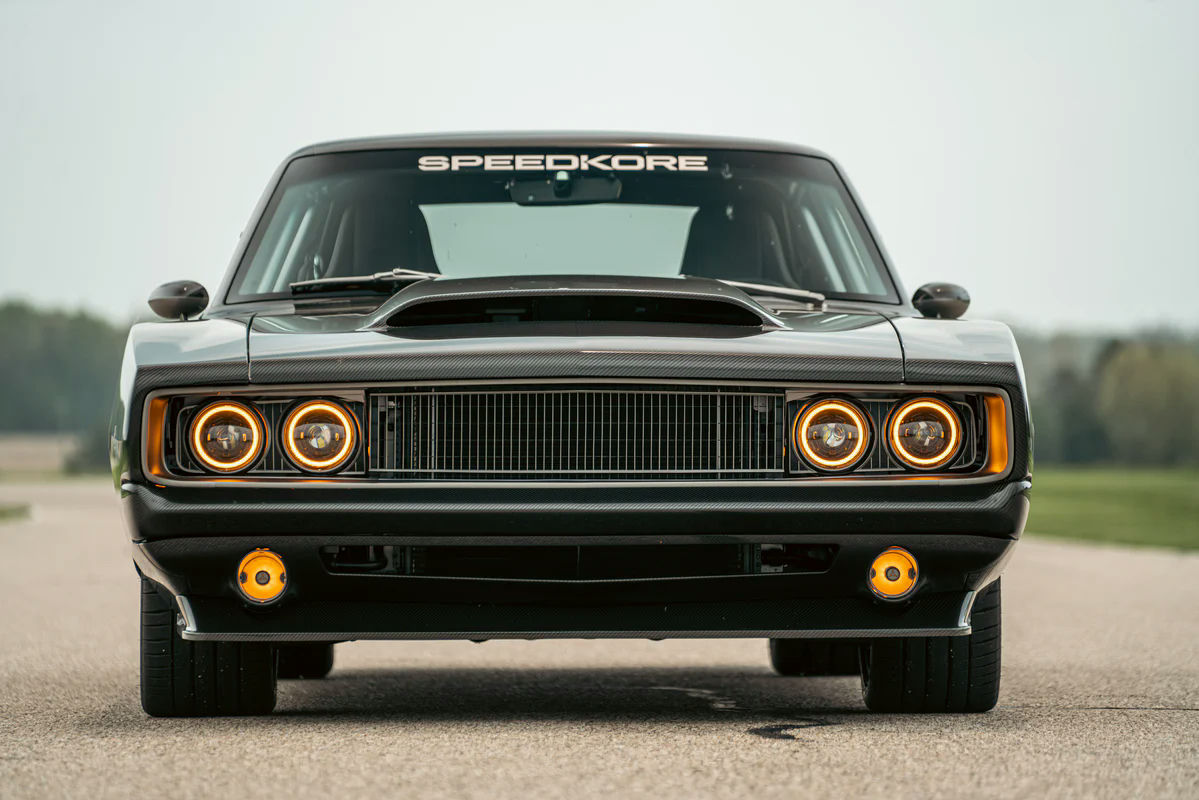
- Restoration Title
- Value of Dodge Charger 1966–1978 After Restoration
Overview
The Dodge Charger is an iconic American muscle car, first introduced in 1966. Renowned for its powerful performance and bold styling, the Charger quickly captured the hearts of car enthusiasts. Models from 1966 to 1978 represent the car's first three generations, each with distinct features that contribute to their value and appeal. The first generation (1966-1967) is known for its fastback design and spacious interior, while the second generation (1968-1970) introduced a sleeker, more aggressive look, featuring the legendary Charger R/T and Charger Daytona. By the third generation (1971-1974), the Charger had evolved with curvier lines and continued to showcase high-performance engines. The mid-'70s models (1975-1978) shifted towards luxury, losing some of their muscle car edge. Restoring these classic vehicles involves significant investment due to factors like availability of original parts, the car's condition, and the desired authenticity level.
Factors content
Condition of the Vehicle
- The overall condition when starting the restoration significantly impacts costs. A Charger in poor condition may require extensive bodywork, more replacement parts, and possibly a full engine overhaul.
Availability of Parts
- Parts for 1966–1978 models can be rare and expensive. Limited availability can drive prices up, especially for original or NOS (New Old Stock) parts.
Level of Restoration Desired
- A full concours-quality, showroom-standard restoration will be more expensive than a driver-quality restoration, as it requires meticulous attention to detail and often more labor and higher-quality parts.
Labor Costs
- The cost of skilled labor in the restoration process can vary widely depending on the region and the specific skills required. More complex restorations will naturally demand more hours of skilled labor.
Custom Modifications
- If customizations or upgrades are desired, such as modern performance enhancements or interior modifications, these will likely add to the cost.
Paint and Finish Quality
- The quality of the paint job will significantly affect the restoration budget. High-quality paint and professional application can be costly, but they are essential for a top-tier restoration.
Unexpected Repairs
- Unplanned issues discovered during restoration can increase costs. Rust damage, for example, can sometimes be more extensive than initially thought once the project is underway.
Levels Content
Driver-Level Restoration
- This level focuses on ensuring the vehicle is safe and reliable for regular driving.
- Includes basic mechanical repairs, paint touch-ups, and interior cleaning.
- Cost estimation ranges from $10,000 to $25,000 depending on parts and labor.
Show-Quality Restoration
- A more detailed restoration aimed at achieving visual and structural perfection.
- Involves major bodywork, complete paint jobs, and high-end interior refurbishment.
- Prices typically range from $30,000 to $70,000 or more, contingent on vehicle condition and desired finishes.
Concourse-Level Restoration
- The highest and most meticulous level of restoration, aiming for historical accuracy.
- Every component is restored or replaced to match original factory specifications.
- Costs can exceed $100,000, often requiring extensive research and sourcing of vintage parts.
Custom or Period-Correct Restorations
- Focus on personalized modifications or enhancements while retaining the classic look.
- Might include engine upgrades, modern conveniences, or unique paint schemes.
- Expenses vary widely based on the extent of modifications and quality of materials.
Cost breakdown content
Body and Paint
- Sheet Metal Replacement: Sheet metal can be an essential component to replace if rust has taken hold. Costs can vary between
$500 to $2,000depending on the panels being replaced. - Bodywork and Dent Repair: For repairing dings and body imperfections, expect to pay around
$1,000 to $3,500. - Paint Job: A professional high-quality paint job can range from
$3,000 to $10,000, depending on paint type and color. - Chrome and Trim: Restoring chrome trims and bumpers can cost approximately
$500 to $2,500.
Mechanical and Electrical Systems
- Engine Rebuild or Replacement: Rebuilding an engine can run between
$3,000 to $6,000, whereas a complete replacement may exceed$8,000. - Transmission Overhaul: Restoring the transmission can cost around
$1,500 to $4,500. - Suspension and Steering Systems: Replacing suspension and steering components might cost
$1,000 to $3,000. - Electrical Systems: Wiring repairs or replacements can range from
$500 to $2,000.
Interior Restoration
- Seats and Upholstery: Reupholstering seats can cost between
$1,000 to $3,000, depending on material choice. - Dashboard and Console: Restoring or replacing parts of the dash and console can cost from
$500 to $2,500. - Carpet Replacement: New carpeting typically costs around
$300 to $1,000. - Audio System: Restoring the original audio or installing a new system would run about
$500 to $1,500.
Miscellaneous and Labor Costs
- Fittings and Fixtures: Replacing or restoring small components and hardware can cost around
$200 to $1,000. - Labor Fees: Labor for restoration can vary widely but typically contributes about
$2,500 to $7,500to the total cost. - Project Management and Unforeseen Costs: Allow an additional
10% to 20%of the estimated budget to account for unforeseen issues and project management.
With all these factors considered, the total cost for a complete restoration of a 1966–1978 Dodge Charger can range from approximately $15,000 to $45,000, depending on the vehicle’s initial condition and the extent of the restoration desired.
Tips content
Focus on Quality Used Parts
- Consider purchasing used parts from reputable sources. Salvage yards, online marketplaces, and car forums can be excellent resources for finding quality used parts at a fraction of the cost of new ones.
- Verify the condition and compatibility of used parts before purchase to avoid costly mistakes.
DIY Where Possible
- Perform simple restoration tasks yourself to save on labor costs. Cleaning, basic mechanical adjustments, and interior work can often be done with minimal tools and equipment.
- Utilize online tutorials, forums, and restoration guides to build your skills and confidence for DIY jobs.
Prioritize Tasks
- Identify essential repairs and prioritize them over aesthetic upgrades. This will help manage your budget effectively without compromising the vehicle's functionality and safety.
- Break down the project into phases, allowing you to spread costs out over time and focus on critical areas first.
Network with Other Enthusiasts
- Join car clubs or online groups dedicated to Dodge Charger restoration. Other enthusiasts can provide valuable advice, resources, and even group buys for parts, leading to significant savings.
- Participating in events and meetups might also give you access to a network of professionals offering discounted services to club members.
Source Parts Locally
- Avoid high shipping fees by sourcing parts locally whenever possible. Local suppliers may offer more competitive pricing and quicker access to parts.
- Building relationships with local parts stores can sometimes lead to discounts or special deals.
Consider Reproduction Parts
- Reproduction parts often cost less than original parts and can be a pragmatic choice if sourced from reliable manufacturers.
- Research and evaluate reproduction part quality to ensure they meet the original specifications and standards.
Value content
Potential Return on Investment (ROI)
Restoring a classic Dodge Charger from the 1966–1978 era can be a rewarding investment, especially if the restoration is executed with precision and attention to detail. The ROI on such projects often depends on the initial purchase price, the condition of the vehicle, the quality of the restoration work, and market demand. Generally, fully restored models from this range are highly sought after, particularly because of their iconic status in automotive history.
For instance, a project car purchased for $10,000 to $25,000 could see its value increase significantly upon restoration. Depending on the model and year, the total restoration cost could range from $40,000 to $100,000. If restoration is done well, it’s common for market values to reach higher than the initial investment. The ROI could range from breaking even to upwards of 20%-50%, or more in certain cases.
Market Value After Restoration
Once restored, a 1966–1978 Dodge Charger can command impressive prices in the collector market. Key models, such as the 1969 Charger R/T or the 1968 Charger with the 440 Magnum engine, can fetch anywhere from $70,000 to $150,000 in pristine, show-quality condition.
Certain rare models, like the 1969 Dodge Charger Daytona and the 1970 Charger R/T SE, can demand even higher prices. The Daytona, with its distinctive aerodynamic nose and tall rear wing, is particularly collectible and can sell for upwards of $200,000, depending on the condition and originality of the vehicle.
Overall, the market value of a restored Dodge Charger from this era can greatly surpass the investment cost, assuming the car is restored to a high standard and maintains its original specifications as much as possible. This potential for high market value makes restoring a Dodge Charger a potentially lucrative endeavor for enthusiasts and investors alike.