Dodge Challenger Restoration Costs: 1970–1974 Models
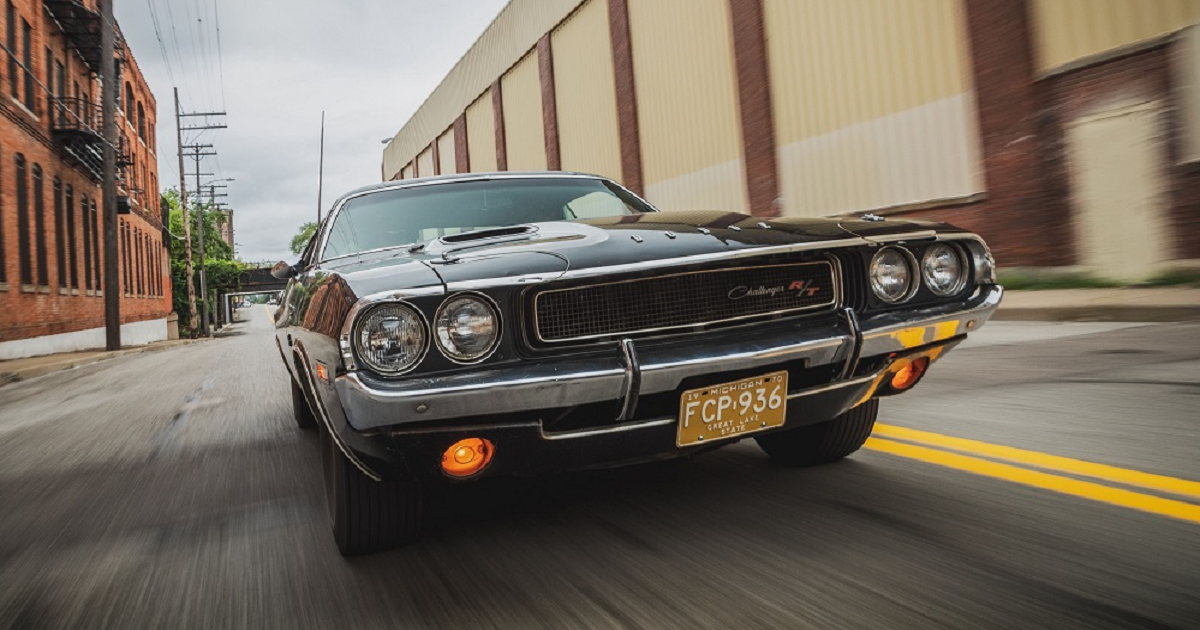
The Dodge Challenger , produced between 1970 and 1974 , is a quintessential muscle car that has captivated car enthusiasts and collectors for decades. Introduced during the golden age of American mus…
- Restoration Title
- Value of Dodge Challenger 1970–1974 After Restoration
Overview
The Dodge Challenger, produced between 1970 and 1974, is a quintessential muscle car that has captivated car enthusiasts and collectors for decades. Introduced during the golden age of American muscle cars, the Challenger was a response to the growing demand for high-performance vehicles. These models are renowned for their iconic design, aggressive stance, and powerful engines, including the legendary 426 Hemi V8. Each year from 1970 to 1974 saw subtle yet significant changes, making each model unique. The 1970 Challenger, often the most coveted, showcases features like vibrant paint options and shaker hoods, while the 1971 model introduced a more refined look with split grilles. By the mid-70s, stricter emissions regulations began to impact performance. Today, these models are celebrated not only for their aesthetic appeal but also for their historical significance. Consequently, restoring a Dodge Challenger from this era demands a nuanced understanding of its heritage and an investment that reflects its enduring legacy.
Factors content
Factors Influencing Restoration Costs
Restoring a Dodge Challenger from the 1970-1974 era is a rewarding project, yet multiple factors can have significant implications on the total expense. Here are key elements to consider:
- Initial Condition of the Vehicle: The starting state of the car plays a pivotal role. A Challenger that has been well maintained will require less extensive work compared to one that's in poor condition.
- Availability of Parts: The rarity and demand of original or high-quality reproduction parts can change costs drastically. More valuable components, especially those specific to certain trims or years, often come at a premium.
- Labor Costs: Depending on your decision to take on the project yourself or to hire professionals, labor can range from relatively low if self-restoring, to significantly higher if working with experts. Regional differences also affect labor rates.
- Level of Restoration: The extent of restoration—be it a basic refurbish, mechanical overhaul, or complete frame-off restoration—can greatly influence total expenses. A complete restoration requires more time, effort, and resources.
- Market Value: The projected value of the car post-restoration can drive how much is invested into the restoration process. Owners may choose to invest more if the car's value justifies the spending.
- Customization: Opting for custom features over standard specifications can add to the cost. Custom paint jobs, upholstery, or modern updates can increase expenses but may enhance the vehicle's appeal.
Each of these factors, from initial inspection to the final detailing, must be carefully evaluated to budget properly and ensure a high-quality restoration of the Dodge Challenger 1970–1974 models.
Levels Content
Concours Restoration
- This is the most comprehensive and expensive level of restoration, aiming to return the car to its original factory condition or better.
- Focus is on authenticity and attention to detail, including exact paint colors, original parts, and factory-correct finishes.
- Typically includes complete disassembly, meticulous rebuilding of every component, and may involve sourcing rare parts.
- Expected to meet stringent judging standards at vintage auto shows.
- Costs can range from $100,000 to $200,000 or more, depending on parts availability and labor.
Show Car Restoration
- This level prioritizes aesthetics and drivability, making the Challenger look like new or better for display at car shows.
- Original parts are preferred, but some aftermarket components may be used for practicality or to enhance performance.
- May include improvements like modernized interiors or upgraded audio systems, while still preserving overall historical accuracy.
- Cost ranges from $50,000 to $100,000, varying by the extent of customizations and upgrades.
Driver Restoration
- Aims for reliable daily use while maintaining the car's classic appearance.
- Focus is on essential repairs and upgrades rather than complete originality.
- Suitable for enthusiasts who want to enjoy their Challenger on the road without excessive investment.
- Costs range from $20,000 to $50,000, depending on the condition of the car and extent of required repairs.
Partial Restoration
- Targets specific areas in need of attention rather than the entire vehicle.
- Common projects include engine rebuilding, interior refurbishment, or exterior repainting.
- Allows for a phased approach to restoration, addressing high-priority issues first.
- Costs can be flexible, usually between $5,000 and $20,000, focusing on particular components or systems.
Cost breakdown content
Bodywork and Exterior
Restoring the body and exterior of a Dodge Challenger from the 1970–1974 era can be one of the most visually rewarding but expensive aspects of the project.
- Paint Job: The cost for a quality paint job, including materials and labor, typically ranges from $5,000 to $10,000 depending on the color and finish.
- Body Panels Replacement: If the vehicle has rust or significant damage, replacing panels can cost between $2,500 and $7,000, including parts and labor.
- Chrome Refinishing and Trimming: Refinishing chrome elements like bumpers can cost approximately $1,000 to $3,000.
- Weatherstripping: Replacing seals and weatherstripping typically falls around $500 to $1,500.
Engine and Transmission
The heart of the Challenger, the engine and transmission, often require significant investment to restore to peak condition.
- Engine Rebuild: A full engine rebuild can vary between $3,000 and $5,000, including parts and labor.
- Transmission Restore or Replace: Restoring a manual or automatic transmission may cost between $1,500 and $3,500.
- Cooling System Update: Upgrading or restoring the radiator, hoses, and thermostat can add an additional $500 to $1,200.
Electrical and Wiring
Updating or replacing the electrical components and wiring is critical for both safety and functionality.
- Wiring Harness Replacement: A new wiring harness can range from $800 to $2,000.
- Lighting Systems: Restoring headlights, turn signals, and brake lights can cost around $500 to $1,000.
- Gauges and Dashboard Electronics: Modernizing or restoring dashboard components may add $1,000 to $3,000 to the restoration budget.
Interior Refurbishment
Bringing the interior back to its former glory involves replacing or restoring various components.
- Seat Upholstery: Reupholstering seats typically ranges from $1,000 to $2,500 depending on material choice.
- Carpeting and Headliner: This can add another $500 to $1,500 to your restoration costs.
- Dashboard and Instrument Panels: Repair or replacement cost can range from $1,000 to $2,000.
Suspension and Brakes
For optimal performance and safety, the suspension and brake systems may need comprehensive work.
- Suspension Overhaul: Depending on work needed, costs can range from $1,500 to $3,500.
- Brake System Restoration: Revamping the brakes can cost from $700 to $1,500.
Miscellaneous Costs
Additional costs may arise during the restoration process.
- Miscellaneous Parts and Hardware: Small parts, nuts, bolts, and other hardware can add $500 to $1,000 to the project.
- Professional Labor: Labor costs for the entire restoration can significantly vary but often range from $10,000 to $20,000.
Overall, the approximate total cost to restore a Dodge Challenger from the 1970–1974 era can vary widely, typically ranging from $30,000 to $70,000, depending on the vehicle's condition and the level of restoration desired.
Tips content
Start with a Detailed Assessment
- Begin with a comprehensive assessment of your vehicle to identify areas needing the most attention.
- Prioritize repairs by necessity and allocate budget accordingly.
- Assess which parts can be refurbished rather than replaced to save on expenses.
Source Parts Wisely
- Utilize online marketplaces and forums to find affordable parts from fellow enthusiasts.
- Attend classic car swap meets to score deals on hard-to-find components.
- Consider purchasing a parts car to have access to multiple pieces at a lower cost.
DIY Where Possible
- Invest time in learning restoration techniques for simple tasks like painting, upholstery, and basic mechanical fixes.
- Take advantage of online tutorials and guides to improve your skill set.
- Utilize free resources such as forums and YouTube channels dedicated to Dodge Challenger restorations.
Negotiate Labor Costs
- Reach out to local mechanics or restoration shops to get multiple quotes for labor.
- Establish a rapport with specialists who might offer discounts for ongoing work or referrals.
- Offer to assist in minor tasks to reduce overall labor charges.
Focus on Preventive Maintenance
- Regular maintenance checks can prevent costly repairs over time.
- Ensure fluids, belts, and hoses are kept in good condition to avoid future breakdowns.
- Invest in protective measures such as car covers and rust-proofing to preserve the integrity of your car.
Plan and Budget Effectively
- Draft a realistic budget considering both expected and unexpected costs.
- Set aside funds specifically for emergencies to avoid project delays.
- Break the project into phases and tackle them according to budget and priority.
Value content
Understanding ROI in Dodge Challenger Restoration
Investing in the restoration of a 1970–1974 Dodge Challenger can be appealing not only from an enthusiast's perspective but also from a financial viewpoint. Classic car enthusiasts often view these restorations as passion projects that can yield substantial returns. The market value post-restoration hinges on numerous factors including the originality, craftsmanship, and exact model and trim of the Challenger.
Factors Influencing Market Value
- Original Parts and Authenticity: Cars that maintain a high level of original parts or have been restored with period-correct materials tend to yield higher returns.
- Rarity: Special models or trims, like the R/T or T/A, can increase desirability and market value, sometimes exceeding $150,000 for pristine examples.
- Quality of Restoration: Superior craftsmanship is critical. Professional restorations can command a premium, often adding 25% to 50% to the value of the car.
- Provenance: A documented history or notable previous ownership can also enhance value.
Market Value Estimates
After a quality restoration, the value of a 1970–1974 Dodge Challenger can range significantly. As of the latest market data:
- Base Model: A well-restored base model might fetch between $60,000 to $90,000.
- R/T Models: Restored R/T variants typically range from $80,000 to $130,000.
- T/A Models: These can approach or exceed $150,000, depending on condition and authenticity.
Potential Return on Investment
Evaluating the ROI requires consideration of both the initial purchase price and the expenses incurred during restoration. On average, high-quality restorations can cost between $40,000 to $100,000. Given the resale market values, successful restorations can potentially yield a profit margin of 10% to 30%, or simply break even, especially when factoring in the intrinsic vintage value and personal satisfaction that such projects bring. However, it's crucial to note that restoration ROI can be speculative and largely depends on market trends and buyer interest at the time of sale.