De Tomaso Pantera Restoration Costs: 1971–1977 Models
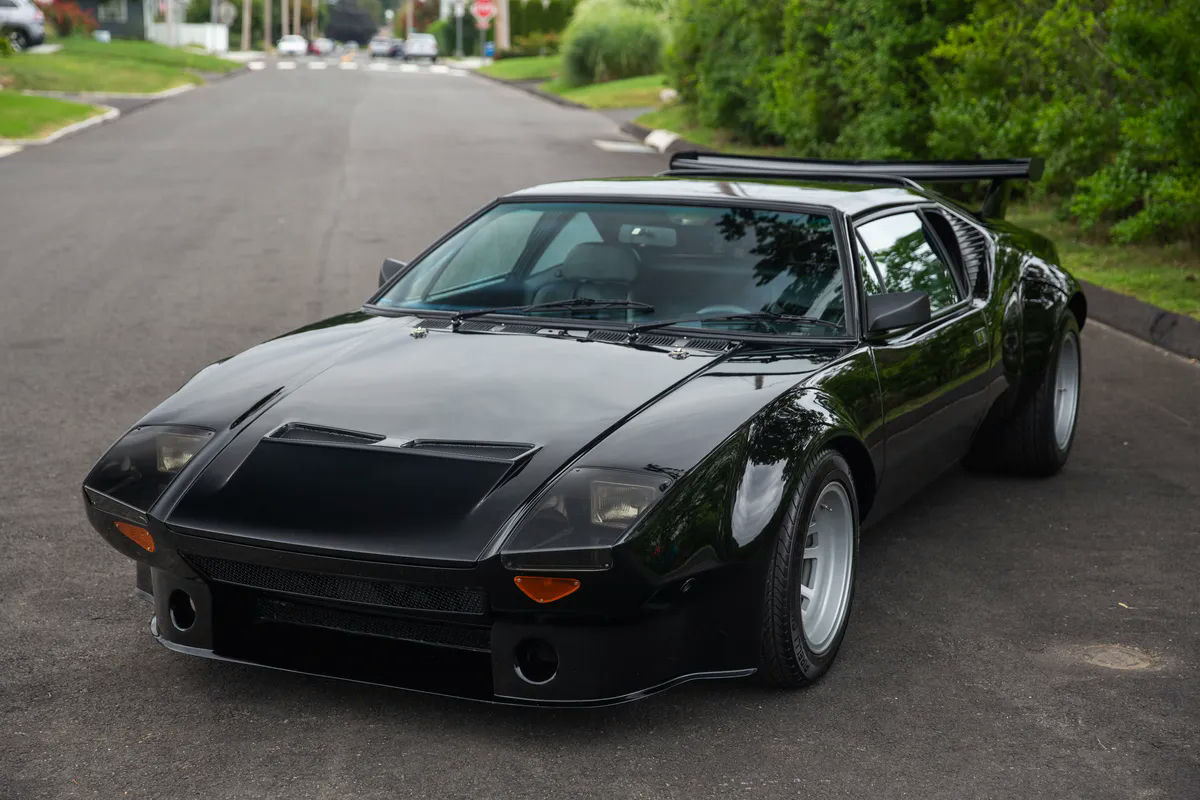
The De Tomaso Pantera is a unique blend of Italian design and American engineering that captivated enthusiasts during its production run from 1971 to 1977 . Born from a collaboration between Argentin…
- Restoration Title
- Value of De Tomaso Pantera 1971–1977 After Restoration
Overview
The De Tomaso Pantera is a unique blend of Italian design and American engineering that captivated enthusiasts during its production run from 1971 to 1977. Born from a collaboration between Argentine-born car manufacturer Alejandro de Tomaso and the Ford Motor Company, the Pantera was intended to rival the Ferrari and Lamborghini models of its time. Styled by Ghia, the car featured a beautiful body shape that married exotic flair with aggressive lines. Under the hood, it boasted a robust Ford 351 Cleveland V8 engine, providing both power and reliability, which made it accessible and attractive to an American audience. Built primarily in Modena, Italy, over 7,000 units of the Pantera were produced. Its historic value continues to grow as collectors seek to restore these models to their former glory. Restorations can be costly due to scarcity of original parts and the craftsmanship required to retain its classic appeal, making each project a labor of love for the preservation of automotive history.
Factors content
Vehicle Condition
The initial state of the De Tomaso Pantera significantly impacts restoration costs. A well-preserved vehicle with minimal rust and intact parts will require less expenditure on bodywork and part replacements compared to a neglected example. The availability and condition of the original engine and transmission are crucial. Restoring these components can become a major cost factor if they are missing or heavily deteriorated.
Authenticity and Originality
Many enthusiasts strive to maintain or restore the original specifications of the Pantera, utilizing factory-correct parts. Sourcing authentic pieces, especially for rare models, can drive up costs. Alternatively, opting for modern equivalent parts can reduce expenses but may affect the vehicle's value and appeal to purists.
Parts Availability
The availability of parts, both new and used, influences restoration costs. Original parts for De Tomaso Panteras can be scarce and expensive. Some restoration projects may involve fabricating parts from scratch, which increases both time and cost. Networking with parts suppliers and other Pantera owners can aid in locating hard-to-find components.
Labor and Expertise
The cost of skilled labor is a substantial factor in any restoration project. Hiring experienced professionals with specific knowledge of De Tomaso Panteras ensures high-quality restoration but at a premium cost. Geographic location also affects labor rates, with urban areas typically commanding higher prices. DIY enthusiasts can reduce costs, but this requires time, tools, and expertise.
Desired Restoration Level
The scope of restoration—whether it is a full concours-quality restoration or a more practical renovation for personal use—affects the overall cost. Concours-level projects require meticulous attention to detail and adherence to original specifications, making them the most expensive. Practical restorations might focus on mechanics and usability, potentially reducing expenses.
Timeframe
Time constraints can also affect costs. Expedited restorations might lead to higher expenses as you may pay premiums for sourcing parts or require more labor hours in a short period. A flexible timeline can allow for hunting down parts at better prices and spreading costs over a longer duration.
Market Trends
The value and demand for classic cars, including the De Tomaso Pantera, fluctuate over time. A thriving market can influence restoration costs as both parts and labor might be in higher demand. Keeping an eye on market trends can help owners anticipate changes in restoration costs and possibly time their projects more cost-effectively.
Levels Content
1. Basic Restoration
- Exterior and interior cleaning
- Minor cosmetic touch-ups
- Simple repairs like replacing worn-out parts
2. Partial Restoration
- Engine tune-up and mechanical adjustments
- Bodywork for minor dents and imperfections
- Repainting in original color
- Replacing interior components such as seats and carpets
3. Full Restoration
- Complete disassembly of the vehicle
- Major mechanical overhauls or replacements
- Full interior and exterior refurbishment
- Attention to authenticity and original specs
4. Concours Restoration
- Restoration to factory-new condition
- Using only authentic and period-correct parts
- Comprehensive historical accuracy
- Suitable for car shows and competitions
Cost breakdown content
Body and Paint Work
- Rust Repair: Extensive rust damage can be a major cost factor, running from approximately $3,000 to $8,000 depending on severity.
- Paint Job: A high-quality paint job can cost between $5,000 and $10,000, including bodywork preparation.
- Panel Replacement or Refinishing: Sourcing original or reproduction panels can add $1,500 to $4,000 to the budget.
Interior Restoration
- Upholstery: Restoring original upholstery materials can cost between $3,500 to $6,000.
- Dashboard and Instrumentation: Work on the dashboard and gauges can range from $1,000 to $2,500.
- Carpet and Headliner Replacement: Installing new carpets and headliners costs around $800 to $1,500.
Engine and Transmission
- Engine Rebuild: A full engine rebuild can set you back $7,000 to $12,000 depending on the level of work required.
- Transmission Overhaul: Expect costs of $2,500 to $4,500 for a comprehensive transmission rebuild.
- Cooling System Refresh: A new radiator and hoses, about $500 to $1,200.
Suspension and Wheels
- Suspension Parts: Replacing shocks, springs, and bushings costs between $1,500 to $3,000.
- Wheel Restoration or Replacement: Original or reproduction wheels range from $1,000 to $3,000.
- Brake System Overhaul: New rotors, calipers, and pads typically cost around $800 to $1,500.
Electrical and Wiring
- Wiring Harness: A complete wiring harness replacement costs between $1,200 to $2,000.
- Lighting and Electronics: Restoring lighting systems and electronics ranges from $500 to $1,500.
Miscellaneous Costs
- Exhaust System Upgrade: New exhaust components can be about $800 to $1,500.
- Glass and Weather Seals: Replacing glass components and seals can cost anywhere from $700 to $2,000.
- Small Parts and Hardware: Allocate around $500 to $2,000 for various small parts and finishing touches.
Approximate Total Cost
The complete restoration of a De Tomaso Pantera from the 1971-1977 model years can range from approximately $30,000 to $70,000, depending on the extent of restoration and quality of parts used.
Tips content
Invest in Quality Used Parts
- Search salvage yards and online forums for gently used De Tomaso Pantera parts.
- Regularly check auction sites like eBay or classic car parts websites for deals on hard-to-find components.
- Network with other Pantera enthusiasts who might be selling parts from previous projects.
Partner with Skilled Hobbyists
- Join local De Tomaso or classic car enthusiast clubs to meet skilled individuals who might volunteer their time for a fraction of professional rates.
- Engage with online communities that focus on car restoration to get advice and possibly hands-on help.
- Attend workshops and car meets to learn techniques and get referrals to experienced Midwest mechanics.
Do It Yourself Where Possible
- Invest time in learning basic restoration techniques through tutorials and guides online.
- Start with easier tasks such as interior refurbishing or simple mechanical fixes before proceeding to complex repairs.
- Gather feedback and advice from forums and communities to tackle DIY tasks effectively.
Consider Partial Restorations
- Focus initially on the most essential repairs that will make the car operable and safe.
- Break down the restoration project into phases, addressing different aspects over time to spread out costs.
- Prioritize mechanical upgrades over cosmetic interventions to ensure the car runs smoothly first.
Utilize Cost-Effective Materials
- Opt for high-performance yet affordable alternatives to original parts where possible.
- Consider using refurbished parts or reproduction panels instead of expensive original or NOS (New Old Stock) components.
- Research reviews and performance data of aftermarket products to ensure quality is maintained.
Plan and Budget Wisely
- Set a realistic budget ahead of starting the restoration process to avoid unforeseen expenses.
- Regularly track expenses to identify areas where costs might be reduced or adjusted.
- Obtain multiple quotes for services and parts to ensure you're getting the best price possible.
Sell Unused Parts
- As you replace parts on your Pantera, sell old but usable parts online to recoup some of your costs.
- Offer parts through De Tomaso forums or clubs where interested buyers are more likely to be found.
- Consider trading parts with other collectors to gain components you need at minimal cost.
Value content
Value After Restoration
Restoring a De Tomaso Pantera from the 1971-1977 models can be a financially rewarding endeavor, with the potential for a substantial return on investment. The value of a restored Pantera largely depends on various factors, including the quality of the restoration, originality of the parts, historical significance, and current market trends. By examining these aspects, you can gauge the potential market value of your investment post-restoration.
Firstly, meticulously restored Panteras, especially those maintaining original components or using OEM parts, often command higher prices in the classic car market. As of 2023, the price range for a fully restored De Tomaso Pantera typically hovers between $100,000 and $180,000. In some cases, particularly rare or highly desirable models may fetch prices well over $200,000 at auctions.
The classic car market is subject to fluctuations, making timing a crucial factor in determining the financial success of a restoration project. Observing current trends, the market for classic sports cars has been steadily appreciating, with vehicles like the Pantera becoming more sought-after among collectors and enthusiasts. It is estimated that the value of a well-restored Pantera appreciates by 5-10% annually, suggesting that investing in a quality restoration could lead to increased market value over time.
Additionally, owning a restored Pantera combines not only the potential for financial gain but also intangible benefits such as prestige, nostalgia, and the enjoyment of driving a piece of automotive history. While the monetary return is a significant consideration, these factors can enhance the overall value of the restoration project.
Overall, by investing adequately in a high-quality restoration and keeping abreast of market conditions, you can potentially reap substantial returns, both financially and personally, from a restored De Tomaso Pantera.