Datsun 240Z Restoration Costs: 1969–1973 Models
The Datsun 240Z , produced from 1969 to 1973 , remains an iconic sports car celebrated for its sleek design, impressive performance, and affordability. As a groundbreaking model by Nissan, it played …
- Restoration Title
- Value of Datsun 240Z 1969–1973 After Restoration
Overview
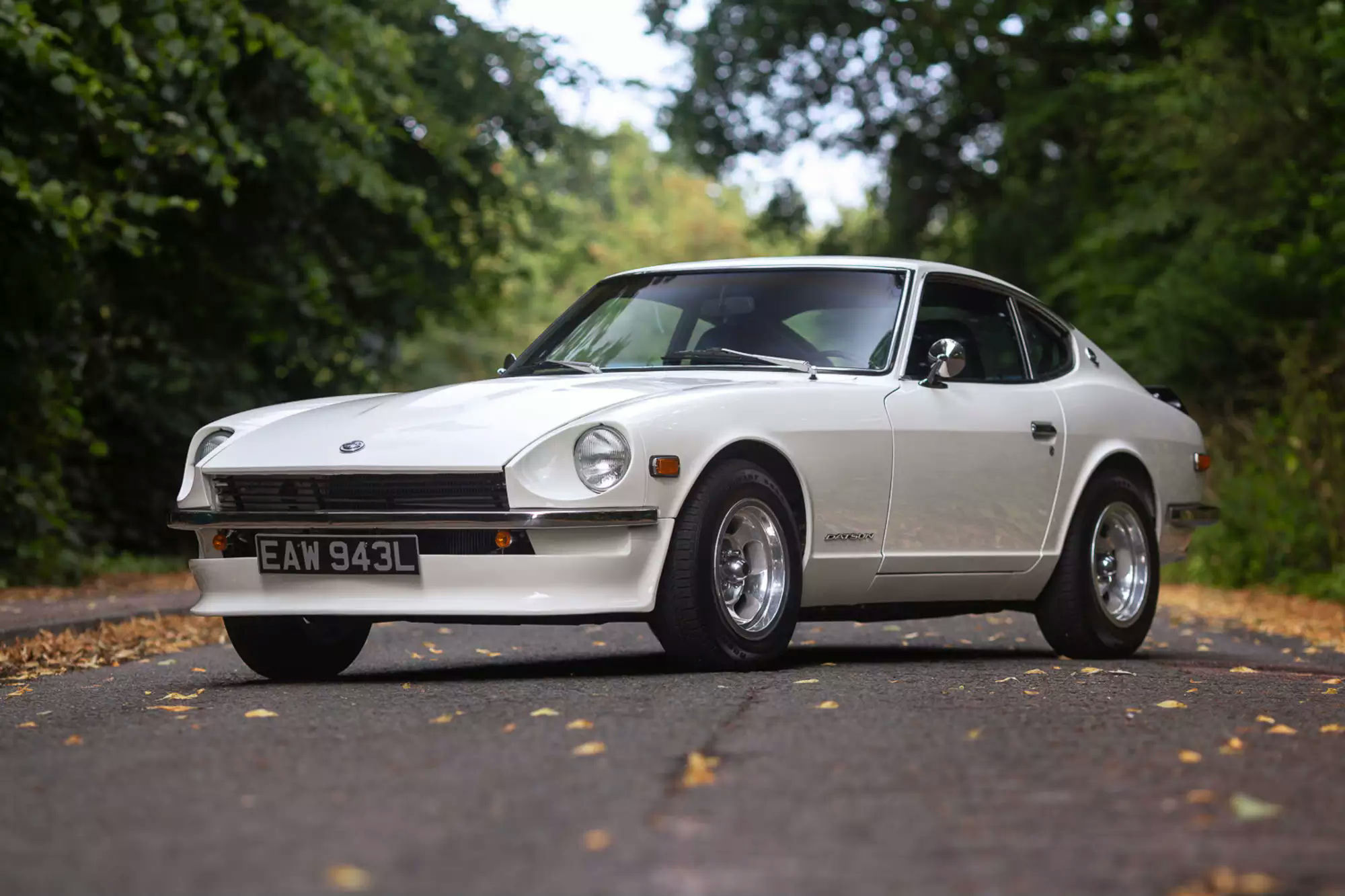
The Datsun 240Z, produced from 1969 to 1973, remains an iconic sports car celebrated for its sleek design, impressive performance, and affordability. As a groundbreaking model by Nissan, it played a crucial role in changing the perception of Japanese vehicles in Western markets. The 240Z boasted a 2.4-liter inline-six engine, which delivered robust power paired with a lightweight chassis, offering an exhilarating driving experience. The vehicle's styling, inspired by European sports cars, featured a long hood, short rear deck, and elegant lines, making it a favorite among car enthusiasts. Its original affordability and ease of maintenance contributed to its commercial success, fostering a cult following that endures today. Understanding the original engineering and market positioning of the Datsun 240Z is essential for assessing restoration costs, as these factors influence the availability and price of authentic parts, skilled labor, and the overall investment required to restore these classic models to their former glory.
Factors content
Initial Purchase Price
- The initial investment for acquiring a Datsun 240Z can greatly vary, especially given its condition and originality. Pristine models or rare editions may command a higher initial cost, which affects the overall restoration budget.
Condition of the Vehicle
- The state of the car when acquired is a major factor. Vehicles with extensive rust or missing parts will require more resources to restore, thereby increasing labor and part costs.
Availability of Parts
- The rarity and availability of original parts can significantly influence restoration costs. Difficulty in sourcing certain parts may accelerate costs due to needing to fabricate or import items.
Scope of Restoration
- The extent of the restoration—whether it be a complete concours restoration or a more functional refurbishment—can dictate the overall expenses. Each level requires different levels of detail and quality of materials.
Labor Costs
- The expertise and rates of the professionals or restoration shops involved can wildly vary. Skilled labor specializing in classic cars may charge a premium, impacting overall restoration costs.
Location
- The geographic location of the restoration project affects transportation costs and labor rates, with some areas having higher overhead due to market demands.
Market Trends
- Fluctuations in the classic car market can influence costs on parts and labor. Increased demand for specific models can lead to rising restoration costs.
Customization and Upgrades
- Opting for modern upgrades, such as advanced suspension or improved engines, can increase costs but may enhance the vehicle's performance or value.
Levels Content
Cosmetic Restoration
- Focuses on improving the appearance without extensive disassembly.
- Typical tasks may include repainting, upholstery repair, and minor rust removal.
- Generally the least expensive option, suitable for cars that remain mechanically sound.
Mechanical Restoration
- Emphasizes repairing or upgrading the engine, transmission, and suspension systems.
- Can also involve brake and exhaust system repairs.
- Necessary for cars that still look good but have mechanical issues.
Partial Restoration
- Combines elements of cosmetic and mechanical restorations.
- Addresses both aesthetic and functional issues as needed.
- Often chosen as a mid-range option balancing cost and improvement.
Rotisserie (Full) Restoration
- Involves a comprehensive overhaul, returning the car to its original factory condition.
- Includes complete disassembly, sandblasting, and reconstruction.
- The most expensive option, extending beyond both cosmetic and mechanical aspects.
- Ideal for collectors seeking a show-quality vehicle.
Cost breakdown content
Body and Paint Work
- Panel Replacement: Datsun 240Zs often require extensive bodywork due to rust. Costs can range from $2,000 to $5,000 for panel replacements.
- Paint Job: A quality paint job, including preparation and rust treatment, typically costs between $3,000 and $7,000.
- Chrome Plating: Restoring or replacing chrome trim and bumpers can add another $1,000 to $2,500.
Engine and Transmission
- Engine Rebuild: Full engine rebuilds, including parts and labor, range from $3,500 to $6,500.
- Transmission Overhaul: A complete transmission service or replacement can cost between $1,500 and $3,000.
- Cooling System: New radiator and hoses might cost an additional $500 to $1,000.
Suspension and Brakes
- Suspension: Replacing shocks, struts, and bushings can run from $1,000 to $2,500.
- Brakes: Upgrading or restoring the brake system, including rotors, pads, and lines, may range from $500 to $1,500.
Interior Restoration
- Upholstery: Restoring seats, headliner, and carpets can total $1,500 to $3,000.
- Dashboard and Instruments: Reconditioning the dashboard, instruments, and controls adds another $800 to $2,000.
Electrical and Lighting
- Wiring Harness: Replacing or refurbishing the entire wiring system ranges from $800 to $1,500.
- Lighting: Headlights, signal lamps, and wiring fixes can require $300 to $700.
Miscellaneous and Labor
- Labor Costs: General labor costs can vary but generally add up to $5,000 to $10,000 based on the complexity and hours required.
Total Estimated Cost: Depending on the level of restoration and the extent of repairs necessary, the total cost for restoring a Datsun 240Z can range from $20,000 to $45,000.
Tips content
Plan and Budget
- Start with a detailed plan and budget to identify key restoration areas and allocate funds appropriately. This prevents overspending and highlights opportunities for savings.
Sourcing Parts
- Look for used parts from salvage yards, online marketplaces, or Datsun enthusiast forums. These sources can offer parts at a fraction of the cost of new ones.
- Consider purchasing a second “parts car” to have a ready supply of pieces needed at a lower overall cost.
DIY Approach
- Undertake DIY repairs where possible. Utilize tutorials, manuals, and online communities to learn how to perform simpler tasks, such as paint touch-ups or interior refurbishments, yourself.
Join a Community
- Become a member of Datsun or classic car clubs where fellow enthusiasts can provide advice, share resources, or even lend tools and expertise.
Phased Restoration
- Break down the restoration into phases, tackling one section at a time. This approach helps in managing costs and allows for spreading expenses over a longer period.
Negotiate and Shop Around
- Get multiple quotes from mechanics or restoration experts. Do not hesitate to negotiate prices, especially when undertaking larger projects.
Use High-Quality but Cost-Effective Materials
- Opt for high-quality aftermarket parts instead of OEM parts when possible to save money, ensuring they meet the necessary performance and quality standards.
Regular Maintenance
- Maintain the car regularly to prevent minor issues from escalating into major problems that are costly to fix.
Value content
Potential Return on Investment (ROI)
Restoring a Datsun 240Z can not only bring a remarkable piece of automotive history back to its original splendor but can also prove to be a savvy financial investment. Typically, the costs involved in restoring these iconic cars can range anywhere from $20,000 to $60,000, depending on the condition of the vehicle prior to restoration and the level of accuracy and detail pursued during the restoration process. However, a well-restored Datsun 240Z often commands a significant price increase due to its desirability among collectors and enthusiasts.
Restored Market Value
The market value for a restored Datsun 240Z, especially those from 1969 to 1973, has been steadily climbing. As of recent years, these cars have been known to sell for anywhere between $70,000 to over $120,000 at auctions and private sales. These numbers are contingent upon several factors including, but not limited to, the authenticity of the restoration, the originality of the parts, mileage, and historical significance. For instance, models that retain their original engine and have the early Series I features are often more highly valued.
Factors Influencing Value
- Restoration Quality: High-quality, full-frame restorations that adhere to original factory specifications can expect a higher ROI.
- Rarity and Model Year: Earlier models or those with unique features typically fetch higher prices.
- Original Parts: Vehicles retaining original parts or matching numbers are more desirable to collectors.
- Market Trends: Car enthusiast trends and market demand largely influence final sales prices.
In conclusion, while the initial investment in restoring a Datsun 240Z can be substantial, the finished results often lead to a considerable increase in market value, potentially generating a profitable return on investment for the owner.