Chevrolet Vega Restoration Costs: 1971–1977 Models
The Chevrolet Vega , produced from 1971 to 1977 , was introduced as a compact car during the era when the automotive industry was transitioning towards smaller and more fuel-efficient models. Initial…
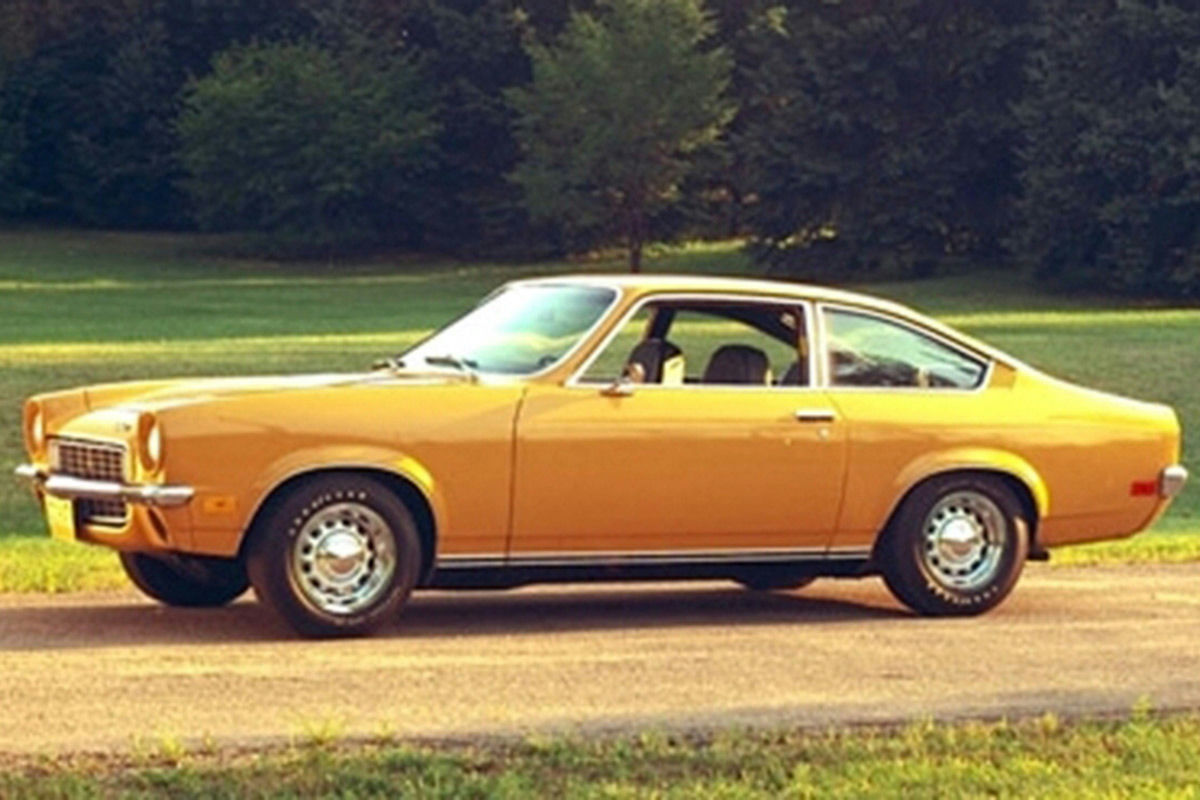
Restoration Title: Value of Chevrolet Vega 1971–1977 After Restoration
Overview
The Chevrolet Vega, produced from 1971 to 1977, was introduced as a compact car during the era when the automotive industry was transitioning towards smaller and more fuel-efficient models. Initially praised for its sleek design and innovative features, including an all-aluminum inline-four engine, the Vega experienced several issues over its production run. These issues ranged from engine durability problems to concerns about rust and corrosion, leading to mixed reviews. Despite these challenges, the Vega left a lasting impression and developed a passionate fan base that appreciates its classic design and historical significance. The car's unibody structure and relatively simple mechanics make it a feasible project for restorers, but prospective restorers should be aware that finding quality parts might be time-consuming and costly. Understanding the history and unique aspects of the Chevrolet Vega is crucial for budgeting restoration costs effectively, as it involves considerations for both mechanical restoration and aesthetic revival.
Join the AutoFame community. Become a member for free, add your car to the garage and tell its story. Join AutoFame.
Factors content
Condition of the Vehicle
The initial condition of the Chevrolet Vega plays a crucial role in the restoration costs. A vehicle in poor condition may require significant bodywork, parts replacement, and detailed attention, increasing overall expenses. Conversely, a car in better condition typically requires less time and fewer resources, reducing costs.
Availability of Parts
Finding original or compatible parts for the 1971-1977 Chevrolet Vega can impact restoration expenditure. Scarce parts that are essential for authenticity often lead to increased costs due to rarity. Conversely, more readily available components can help keep expenses down.
Labor and Expertise
Labor costs are a significant portion of any restoration project for the Chevrolet Vega. Hiring skilled professionals with experience in classic cars ensures quality results, but may incur higher labor charges. Balancing expertise against cost is key to managing the project budget.
Level of Restoration
The depth of restoration desired can greatly affect the total costs. Projects aiming for a full showroom-quality restoration with authentic materials and finishes can be considerably more expensive. Conversely, basic mechanical restorations to make the vehicle operational again might be less costly.
Location
The geographic location where the restoration occurs can also affect the cost. Different areas have varying labor rates, access to parts, and levels of expertise, which can all influence the overall expenditure of the project.
Market Trends
The demand for classic cars like the Chevrolet Vega can fluctuate, affecting parts pricing and the expenses associated with restoration. During periods of high demand, costs may rise, so timing the restoration wisely can impact the final budget.
Levels Content
Cosmetic Restoration
Focuses on superficial aspects like paint, trim, and interior.
Exterior surfaces are cleaned, polished, and possibly repainted.
Interior may receive new upholstery, carpeting, and minor repairs.
Costs range from $5,000 to $15,000 depending on materials used.
Partial Mechanical Restoration
Involves refurbishing or replacing key mechanical components.
Engine tuning and transmission repairs are typical.
Braking system and suspension may also be addressed.
Estimated costs fall between $10,000 and $25,000.
Full Mechanical Restoration
A comprehensive overhaul of all mechanical systems.
Implies engine rebuild, transmission replacement, and new drivetrain components.
Involves restoring steering, electrical, and exhaust systems.
Costs usually span from $20,000 to $50,000.
Concours Restoration
Aimed at bringing the vehicle to factory-new or better condition.
Involves both aesthetic and functional restoration to the highest standards.
Utilizes original or authentic reproduction parts.
Can cost anywhere from $50,000 to $100,000 or more.
Cost breakdown content
Body and Frame Restoration
Sheet Metal Replacement: Replacing rusted or damaged panels can range from $500 to $2,000, depending on the extent of the damage and quality of the panels.
Paint and Finishing: A quality paint job, including prep work and finishing, typically costs between $3,000 and $8,000.
Frame Straightening: Necessary if there's structural damage, costing around $500 to $2,500 depending on severity.
Engine and Transmission Overhaul
Engine Rebuild: A complete engine overhaul can range from $2,000 to $4,500, depending on parts and labor.
Transmission Repair/Replacement: Costs can vary from $1,500 to $3,500 for repairs or up to $4,000 for a replacement.
Suspension and Brake System
Suspension Components: Replacing shocks, struts, and related parts can cost between $800 and $1,500.
Brake System Overhaul: Replacing pads, rotors, and calipers could range from $600 to $1,200.
Interior Restoration
Upholstery: Restoring seats and interior trim can cost anywhere from $1,000 to $3,500, depending on materials used.
Dashboard and Controls: Repairing or replacing dashboard components might range from $500 to $2,000.
Electrical System
Wiring and Electrical Components: Rewiring the car and replacing key components can cost $800 to $2,500.
Lighting Fixtures: Restoration or replacement of lights can range from $200 to $600.
Miscellaneous Costs
Chrome Restoration: Rechroming bumpers and trim could range between $500 and $1,500.
Tires and Wheels: New tires and wheel balancing may cost $400 to $1,000.
Approximate Total Cost: The total cost for restoring a 1971–1977 Chevrolet Vega can range from approximately $11,800 to $34,300, depending on the vehicle's condition and the quality of parts and labor used.
Tips content
Prioritize Essential Repairs and Restorations
Identify the most critical areas that need attention to get your Chevy Vega operational first, such as engine and transmission work. Once the essentials are handled, you can focus on aesthetics and minor restorations.
Create a checklist of repairs that are necessary to pass safety inspections and ensure the vehicle is roadworthy.
Source Affordable Parts
Consider purchasing OEM or quality aftermarket parts instead of original, brand-new components to save on costs.
Visit local salvage yards or online forums and auction sites for hard-to-find parts often available at a fraction of the price.
Join Chevy Vega owner groups and clubs, as members often have leads on affordable parts or are willing to trade.
Tackle DIY Projects
For car owners who are handy, consider tackling simpler tasks such as interior restorations or minor bodywork yourself.
Leverage online tutorials and community forums for step-by-step guidance on performing these tasks correctly.
Invest in a basic toolkit and a repair manual specific to the Chevy Vega to guide your restoration efforts.
Shop Around for Skilled Labor
When professional help is unavoidable, obtain multiple quotes from skilled mechanics or restoration experts, and compare their services and rates.
Opt for smaller, independent shops as they can often provide more personalized service at lower costs compared to large operations.
Plan a Staged Restoration Process
Break the restoration project into phases and prioritize based on importance and budget availability, tackling one section at a time.
This strategy can spread costs over time, making it more manageable to handle financially.
Leverage Community Knowledge
Have a car with a story like this? Become an AutoFame member and share it with people who love cars as much as you do.
Engage with the Chevy Vega community through online forums, social media, and local meetups to gain insights into affordable restoration techniques and resources.
Networking with fellow enthusiasts can lead to sharing tools and specialized knowledge, further reducing expenditures.
Value content
Value After Restoration
When assessing the potential return on investment (ROI) for restoring a Chevrolet Vega from the 1971–1977 model years, it's essential to consider various factors that influence the car's market value. First and foremost is the condition and quality of the restoration. A well-maintained, meticulously restored Vega can be a sought-after item among vintage car enthusiasts, whereas a poorly managed restoration might not fetch a significant premium.
The exact value of a restored Chevrolet Vega will depend on the specific model and year, as well as its condition before restoration. Generally, a fully restored Chevrolet Vega that meets high restoration standards can command anywhere from $10,000 to $20,000 on the market. Special edition models like the Cosworth Vega, known for their limited production and historical significance, can fetch significantly higher prices, ranging from $18,000 to even $30,000 if restored to concours quality.
Factors Influencing ROI
Model and Year: Specific models and limited editions, like the 1975-1976 Cosworth Vega, tend to have a higher market value due to their rarity.
Originality: Cars that maintain original parts or have been restored using original equipment manufacturer (OEM) parts are generally valued higher.
Quality of Restoration: High-quality restorations with attention to detail can significantly increase the car's value. This includes original paint colors, upholstery, and mechanical components.
Documentation: Having a comprehensive history of the car, maintenance records, and documentation of the restoration process can enhance value.
Market Trends
The classic car market can be volatile, with demand and prices fluctuating based on trends and economic conditions. However, there has been a steady interest in 1970s cars, partly due to nostalgia and the increasing interest in restoring vintage vehicles. As such, a Chevrolet Vega, especially a special edition model, could potentially appreciate in value over time if the market continues to favor vehicles from this era.
Investors and restorers should also consider the costs involved in the restoration process, balancing these against potential returns. While a significant initial investment might be required, the combination of increasing rarity and demand could offer a substantial ROI, provided the restoration hits the mark both in terms of quality and authenticity.
Conclusion
Restoring a 1971–1977 Chevrolet Vega can be a fulfilling project for enthusiasts who appreciate the car's historical charm and unique design. While the costs can be considerable, ranging from $11,800 to $34,300 based on the restoration's complexity and desired quality, carefully planned budgeting and strategic restoration decisions can make the endeavor more manageable. Challenges such as sourcing parts and choosing skilled labor are offset by the potential to elevate the vehicle's market value, especially for well-executed restorations. Engaging with the Vega enthusiast community and leveraging available resources are vital strategies for reducing expenses without compromising on quality. Ultimately, the restoration of a Chevrolet Vega offers not only the satisfaction of reviving a piece of automotive history but also the possibility of a rewarding financial return, particularly for special models like the Cosworth Vega. With a thoughtful, phased approach, restorers can effectively bring this classic American car back to life, balancing passion with practicality.
About AutoFame
AutoFame is a home for people who love cars and the stories behind them. Every car on a show field or in a garage has a history: who built it, who saved it, the road trips, the late nights in the shop and the people who helped along the way. AutoFame gives those stories a place to live, so they are not lost when the hood closes or the car changes hands.
Membership is free. Once you join, you can add your car to your own AutoFame garage with photos, specs and the story only you can tell. Restorations, survivors, daily drivers, race cars and family heirlooms all belong here. Other members can find your car, follow its progress and connect with you over the details that matter to car people.
Beyond member garages, AutoFame publishes stories, guides and features on the cars, builders and history that shape car culture. You will find buying and restoration guides, car parts explainers, special editions, the newest models and the classics that started it all. The AutoFame Gallery puts member cars on display for anyone to browse, and the AutoFame YouTube channel adds owner interviews, show highlights and the conversations that happen around a good car.
AutoFame is also built for the people who run car shows. Organizers use it to manage entries and judging, and judges score each car category by category on their phones, with a written guide for every category so nothing gets skipped. After a judged show, owners can see what their car was scored on and how it compared. Shows across the Texas Gulf Coast have run on AutoFame, including the Moody Gardens Car Show in Galveston, Good Grub and Gears, and Keels and Wheels at Lakewood Yacht Club.
AutoFame was founded by Kevin Brady, whose own life in cars began long before he started building tools for the hobby. The idea is simple: the people who love these cars should have one place to share them, learn from each other and keep the stories going.
Whether you own a show winner, a project that is still in pieces or simply love reading about great cars, there is room for you here.
Be part of the AutoFame community. Join free and become a member today.