Chevrolet Nova Restoration Costs: 1962–1967 Models
The Chevrolet Nova, introduced in 1962 , quickly became a staple in the American automobile market, known for its compact design and affordable pricing . Over its first generation, from 1962 to 1967 …
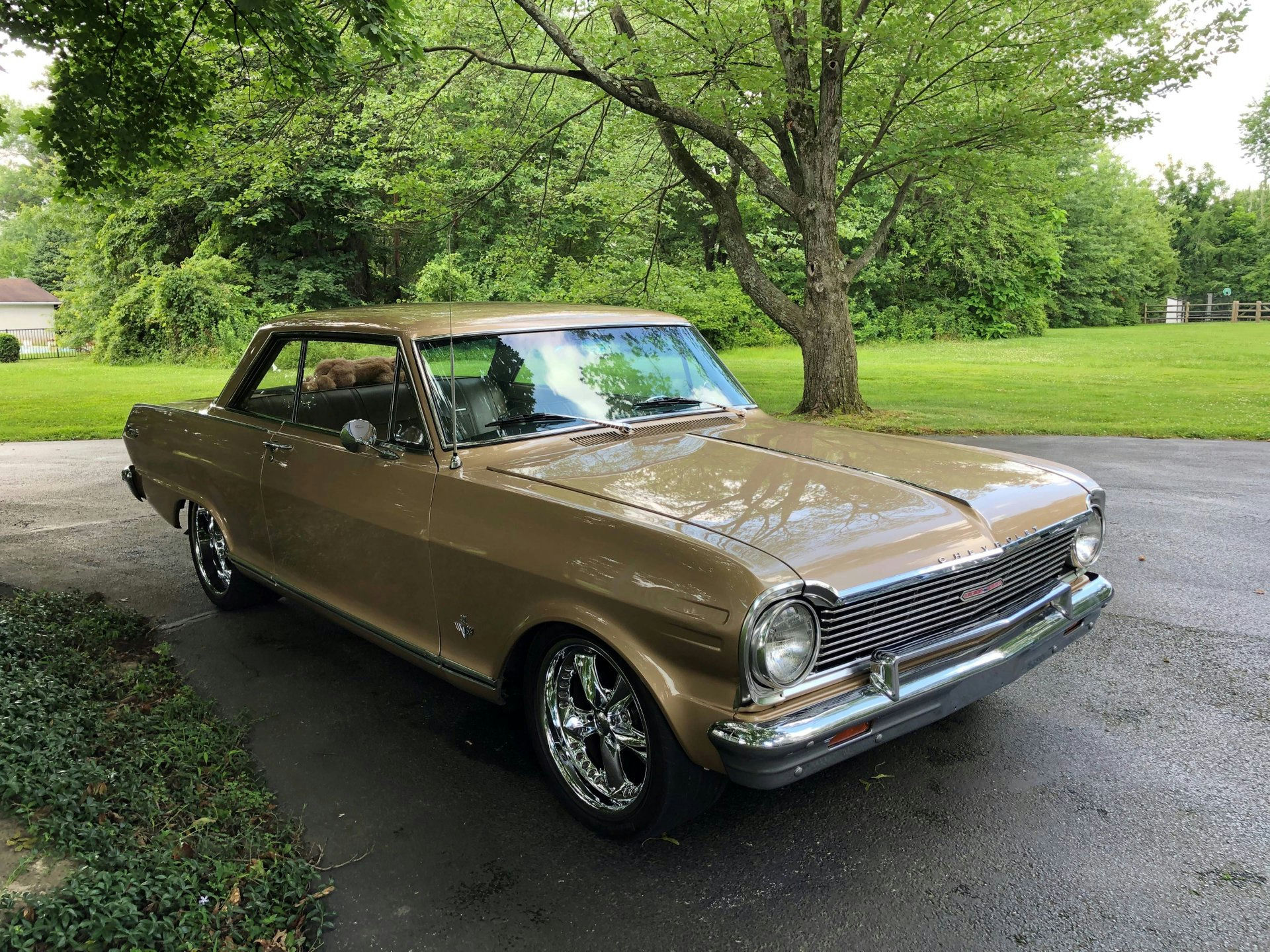
- Restoration Title
- Value of Chevrolet Nova 1962–1967 After Restoration
Overview
The Chevrolet Nova, introduced in 1962, quickly became a staple in the American automobile market, known for its compact design and affordable pricing. Over its first generation, from 1962 to 1967, the Nova underwent several modifications that would appeal to both the everyday driver and the performance enthusiast. Initially launched as the Chevrolet Chevy II Nova, it offered a range of engine options from the economical inline-fours to more powerful V8s, making it highly customizable. The 65 model year marked significant design updates with a new body style that broadened its appeal. These vehicles became emblematic of the 1960s American car culture, cherished for their simplicity, performance, and the potential for enhancing individual style with aftermarket modifications. Today, restoring a Chevrolet Nova from this era not only involves understanding these historical nuances but also navigating through the myriad of period-specific parts and restoration techniques that ensure authenticity and performance.
Factors content
Condition of the Vehicle
The initial condition of the Chevrolet Nova can greatly influence restoration costs. A vehicle that has suffered extensive rust or structural damage will require more in-depth repairs, which can significantly increase expenses. On the other hand, a well-maintained Nova in relatively good condition will require fewer repairs and thus lower restoration costs.
Availability of Parts
The availability and cost of original or reproduction parts for the 1962–1967 Chevrolet Nova also play a major role in restoration expenses. Sourcing rare parts can be both time-consuming and expensive. When parts are difficult to find, restorers may have to opt for custom fabrication, which can further elevate the cost of restoration.
Level of Authenticity Desired
The extent to which restoration adheres to original specifications affects costs. Aiming for a fully authentic restoration, using original or period-correct parts and finishes, usually requires a larger investment than a custom or modified restoration. Enthusiasts who wish to maintain high levels of authenticity must often be prepared to incur additional costs.
Labor Costs
Labor is one of the more significant contributing factors to the overall cost of a Chevrolet Nova restoration. Skilled professionals demand higher wages, especially for specialized services such as engine rebuilding, bodywork, or upholstery. The more intricate the tasks involved, the higher the labor costs can become.
Extent of Restoration
The project's scope—whether it's a partial or full restoration—directly impacts the costs involved. A comprehensive restoration that involves the entire vehicle will naturally require more resources, time, and expertise, thus resulting in higher costs compared to a partial restoration focused on specific areas.
Levels Content
Driver-Level Restoration
- Focuses on making the car functional and roadworthy.
- Basic repairs, maintenance, and necessary replacements are performed.
- Cost-effective, prioritizing functionality over aesthetics.
- Typically involves minimal bodywork and uses aftermarket parts.
Street Show Restoration
- Aimed at making the car visually appealing for casual shows and personal pride.
- Includes thorough cleaning, fresh paint, and interior refurbishing.
- Mix of original and aftermarket parts may be used.
- Costs are moderate, balancing aesthetics and functionality.
Show Car Restoration
- Strives for perfect aesthetics and attention to detail, often for competition.
- Involves complete disassembly, sanding, and painting.
- Chrome, upholstery, and detailed interior and exterior work performed.
- Uses high-quality original or reproduction parts.
- Higher costs are associated due to extensive labor and materials.
Concours-Level Restoration
- Aims to bring the vehicle to factory-new conditions, matching original specs.
- Every component restored or replaced to exact original standards.
- Perfect for serious collectors and prestigious show circuit.
- Highest cost and most labor-intensive due to meticulous attention to detail.
- Often involves sourcing rare original parts and expert craftsmanship.
Cost breakdown content
Bodywork and Paint
- **Rust Repair and Body Panel Replacement:** Addressing rust and replacing or repairing body panels is a critical early step. Costs can range from $500 to $3,000 depending on severity and panel availability.
- **Paint Job:** The price for a high-quality paint job ranges from $1,500 for basic finishes to $10,000 for custom or factory-matched colors.
Engine and Transmission
- **Engine Rebuild:** Rebuilding the original engine or installing a new one can cost between $2,500 and $4,000 based on parts and labor.
- **Transmission Overhaul:** Restoring the transmission may run from $1,000 to $2,500 depending on whether you opt for a rebuild or replacement.
Suspension and Brakes
- **Suspension Parts Replacement:** Replacing old suspension components with factory or aftermarket parts will typically cost between $1,000 and $2,000.
- **Brake System Overhaul:** Upgrading to a modern brake system or refurbishing the original can cost $800 to $1,600.
Interior Restoration
- **Upholstery and Seating:** Restoring or replacing upholstery and seats can range from $500 to $2,500 depending on materials and designs.
- **Dashboard and Instrumentation:** Repairing or replacing the dashboard and gauges may cost from $400 to $1,200.
Electrical System
- **Wiring Harness Replacement:** A new wiring harness plus installation can be estimated at $800 to $1,500.
- **Lighting and Electrical Components:** Replacing or restoring lights and other electrical systems may cost between $300 and $800.
Chrome and Trim
- **Chrome Plating:** Re-chroming bumpers and trim could cost between $800 and $2,000 based on condition and extent.
- **Emblems and Badges:** These restoration or replacements typically range from $100 to $300.
Wheels and Tires
- **Wheels Restoration or Replacement:** Restoring original wheels or replacing them can cost $400 to $1,200.
- **New Tires:** The cost of new tires generally ranges from $400 to $800 depending on brand and specifications.
Total Estimated Restoration Cost
The approximate total cost of a comprehensive Chevrolet Nova restoration for 1962-1967 models can range from $10,000 to $25,000 or more, factoring in variability in labor and material availability.
Tips content
Avoid Impulse Purchases
- Create a comprehensive plan and budget before you begin the restoration process. This helps prevent impulse buying of parts and accessories that may not be necessary.
- Research the specific parts required and prioritize them according to necessity and availability.
Source Affordable Parts
- Check online platforms and forums dedicated to Chevrolet Nova enthusiasts, where members often sell parts at lower prices than commercial vendors.
- Visit local swap meets and car shows as these can be treasure troves for finding used parts at a fraction of the retail cost.
- Consider purchasing replica parts, which can be less expensive than original components while maintaining authenticity.
DIY Where Possible
- Save money by tackling tasks that can be completed at home, such as cleaning, painting, or minor upholstery work.
- Utilize readily available resources like online tutorials and community advice to guide you through easy-to-moderate DIY projects.
- Purchase a good repair manual specific to Chevrolet Nova models to provide guidance for routine maintenance and some repair tasks.
Negotiate with Professionals
- Obtain quotes from multiple service providers for necessary professional work, such as bodywork or engine rebuilding. Use these quotes to negotiate competitively priced services.
- Discuss with restoration professionals about the possibility of a staged project, where more costly work is completed as the budget allows.
Use Quality Over Brand Loyalty
- Focus on the quality of parts rather than brand names. Many high-quality generic or lesser-known brands offer parts at a significantly lower price without compromising performance or safety.
- Verify compatibility with your Nova model to ensure that quality parts will meet your restoration requirements effectively.
Monitor and Record Expenses
- Keep a meticulous record of all expenses incurred during the restoration project. This helps identify areas where costs can be reduced or optimized.
- Review your expenses regularly to remain within budget and adjust your project scope if needed to avoid overspending.
Value content
Value After Restoration
Restoring a Chevrolet Nova from the 1962–1967 models can enhance its market value significantly, depending on the quality of the restoration and the current trends in the classic car market. A fully restored Chevy Nova of these years is considered a classic, and with the right restoration, it can yield a substantial return on investment for the owner.
To give a concrete idea, a fully restored 1962–1967 Chevrolet Nova can fetch anywhere from $25,000 to over $40,000 in the classic car market. This wide range depends on several factors, including:
- The specific model and trim level (e.g., the SS or Super Sport models carry a higher value)
- The quality and authenticity of the restoration (using original parts can drive up the value significantly)
- Market demand at the time of selling
- Provenance and documented history of the vehicle
It is important to note that while the potential for profit exists, the classic car market can be volatile. Therefore, while one might invest around $20,000 to $30,000 in restoration costs alone, the return could either be financially rewarding or more passion-driven, given market fluctuations.
In the best scenarios, assuming high market demand and excellent restoration quality, owners might see a return of 50% or more on their investment. However, even in cases where the financial return is minimal, the intrinsic joy and pride of owning a beautifully restored piece of automotive history can often be just as valuable.