Chevrolet Monte Carlo Restoration Costs: 1970–1977 Models
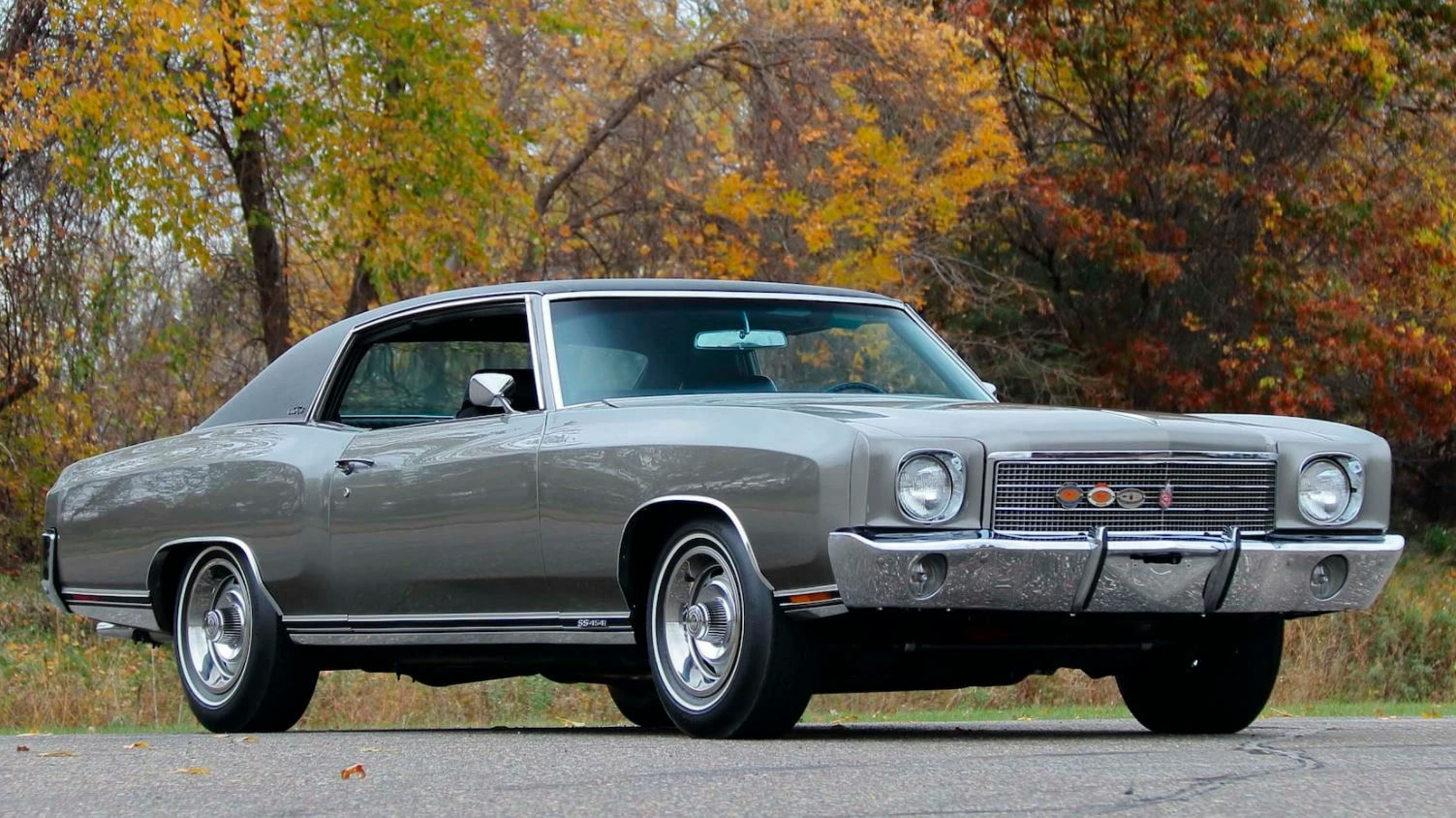
The Chevrolet Monte Carlo, introduced in 1970 , quickly became an iconic personal luxury car known for its stylish design, power, and performance. Produced by General Motors , the Monte Carlo was a s…
- Restoration Title
- Value of Chevrolet Monte Carlo 1970–1977 After Restoration
Overview
The Chevrolet Monte Carlo, introduced in 1970, quickly became an iconic personal luxury car known for its stylish design, power, and performance. Produced by General Motors, the Monte Carlo was a standout model in the GM lineup, especially with its long hood and short rear deck design that emphasized elegance and high performance. The first-generation models (1970-1972) were noted for their powerful V8 engines, ranging from 350 to 454 cubic inches, offering muscle car enthusiasts both speed and torque. The second-generation (1973-1977) saw significant design changes, with a more refined style, larger dimensions, and advancements in comfort and technology. Emphasizing plush interiors and a smooth ride, these models became more of a status symbol during the mid-70s. Understanding the historical significance and design evolution of the 1970-1977 Monte Carlo models is crucial for appreciating the complexities and potential costs involved in their restoration, as enthusiasts seek to preserve or enhance their unique qualities.
Factors content
Original Condition of the Vehicle
The initial state of the Chevrolet Monte Carlo is a significant factor in determining restoration costs. Vehicles that are in better condition when purchased will generally require less work, translating to lower restoration expenses. Considerations include the state of the bodywork, engine condition, interior quality, and whether any major components are missing or need replacement.
Availability of Parts
The cost and availability of parts specific to the 1970-1977 Chevrolet Monte Carlo models can greatly impact restoration expenses.
- Original or NOS (New Old Stock) parts can be expensive and hard to find.
- Reproduction parts might be more affordable but vary in quality.
- Custom or modified parts might incur additional charges for the labor required to fit or adjust.
Labor Costs
The cost of labor is another critical element when restoring a classic car. Rates can vary depending on the complexity of the restoration work and the expertise of the restorer.
- Specialized restoration shops might charge higher rates due to their expertise and high demand.
- Amateur or do-it-yourself restorers might save on labor costs but risk making errors that could be costly in the long run.
Upgrades and Modifications
Owners looking to add upgrades or modifications will increase the overall cost of restoration.
- Performance enhancements, such as a more powerful engine or better suspension, can raise costs.
- Cosmetic changes, including custom paint jobs or interior modifications, will also add to the expenses.
Geographic Location
Where the restoration is performed can influence costs.
- Areas with a higher cost of living generally have higher labor rates.
- Availability of parts locally can also affect shipping costs and time.
Levels Content
Preservation
- Description: This level focuses on maintaining the vehicle in its current state, emphasizing cleaning, minor repairs, and safeguarding against further deterioration.
- Cost Implications: Generally the least expensive, as it involves minimal parts and labor.
- Ideal For: Owners looking to retain originality and prevent further wear, especially for vehicles already in decent condition.
Partial Restoration
- Description: Involves refurbishing key components, such as the interior, exterior, or mechanical systems, without a comprehensive overhaul.
- Cost Implications: Moderate costs, as this level may require some replacement parts and more labor-intensive work.
- Ideal For: Those seeking to improve essential aspects of the car's appearance and functionality, while saving on a full restoration.
Full Restoration
- Description: Complete transformation that involves disassembling the entire vehicle, restoring or replacing every part to achieve like-new condition.
- Cost Implications: Most expensive option due to extensive labor and parts, often justified by a significant increase in the vehicle's value.
- Ideal For: Enthusiasts aiming for show-quality results, or those wanting to resurrect a classic model to its former glory.
Concours Restoration
- Description: Highest level of restoration, focusing on achieving perfection; often targets compliance with the exact specifications as the day the car left the factory.
- Cost Implications: Potentially the most costly option, demanding exhaustive research, authentic parts, and meticulous craftsmanship.
- Ideal For: Purists and collectors intended to compete in car shows where originality and detail are critically judged.
Cost breakdown content
Bodywork and Paint
The first significant cost in restoring a 1970–1977 Chevrolet Monte Carlo is the bodywork and paint. Prices can vary based on the car’s original condition. For replacing rusted panels or repairing minor dents, you can expect to pay between $1,500 and $4,000. A full paint job, including labor and high-quality paint, typically ranges from $3,500 to $10,000. Additionally, chrome work or re-chroming the bumpers can add another $500 to $1,500.
Mechanical Components
Restoring the mechanical components, such as the engine, transmission, suspension, and brakes, also comes with hefty costs. Rebuilding or replacing the engine can cost anywhere from $2,500 to $4,000 or more, depending on the engine's condition and required specifications. Transmission repairs or replacements generally range from $1,500 to $3,000. Upgrading or replacing the suspension system might set you back another $1,000 to $3,000. Braking systems usually cost between $300 and $800 for restoration.
Interior Restoration
The interior restoration costs depend on the level of detail and materials used. Upholstery work for seats and door panels can run from $1,000 to $3,000. Restoring or replacing the dashboard, consoles, and other interior components could add another $500 to $2,000. If carpeting needs renewal, expect to pay between $200 and $500.
Electrical System
The electrical system overhaul is crucial for ensuring functionality. Replacing the entire wiring harness might cost between $500 and $1,500. Restoring or replacing gauges and the dashboard’s electrical components could add an additional $300 to $800.
Miscellaneous Parts and Labor
Miscellaneous expenses may include replacing weatherstripping, seals, and emblems, costing between $200 and $1,000. Labor costs can significantly influence budgets, with prices varying widely depending on location and expertise. Allocating approximately 30-50% of parts costs for labor is a reasonable estimation.
In total, restoring a Chevrolet Monte Carlo from 1970 to 1977 can range from as low as $10,000 to upwards of $30,000 or more, with variability dependent on the vehicle's initial condition and the extent of restoration desired.
Tips content
Start with a Clear Plan
- Establish a detailed restoration plan by breaking down the project into specific tasks and prioritizing essential repairs.
- Research thoroughly to understand what parts and services are critical and make a comprehensive checklist to avoid unnecessary expenses.
- Determine which tasks you can realistically perform yourself and which require professional help.
Source Parts Strategically
- Join online forums and local clubs specializing in Chevrolet Monte Carlo models to gain insights on where to find affordable parts.
- Consider purchasing parts from salvage yards or reputable online marketplaces to save money.
- Look for deals on bulk purchases, especially for commonly replaced parts.
Choose Cost-effective Materials
- Select high-quality aftermarket parts over original equipment manufacturer (OEM) parts to reduce costs while maintaining performance and aesthetics.
- Consult experts or experienced restorers to identify reliable aftermarket brands.
- Focus on maintaining the original look but be open to modern materials that offer durability and value.
Perform DIY Tasks
- Tackle simple restorations and repairs such as upholstery work, minor paint touch-ups, and brake replacements.
- Utilize online tutorials and guides to enhance your skills and improve your ability to handle tasks confidently.
- Invest in basic restoration tools that can be used on multiple projects, gradually expanding your collection over time.
Schedule Regular Work Sessions
- Allocate consistent weekly time slots for restoration to maintain steady progress and minimize the temptation to rush the process, which can lead to costly mistakes.
- Plan your work sessions around your budget cycles to ensure you have funds available for each phase of the project.
- Avoid peak seasons for hiring professionals to secure better rates due to lower demand.
Network with Experienced Restorers
- Attend car shows and restoration workshops to connect with experienced enthusiasts who can provide valuable advice and possibly lend a helping hand.
- Share your project details online to receive feedback and tips tailored to keeping costs low without sacrificing quality.
- Poly benefit from potential discounts or bartering opportunities through these networks.
Consider Partial Restorations
- Focus on restoring major components that have the most visible and performance impact if budget constraints are tight.
- Identify parts of the car that are in good condition and leave them as-is to save on restoration costs.
- Plan incremental restorations, tackling one element at a time as funds become available.
Value content
Overview of Market Values Post-Restoration
When considering the restoration of a 1970–1977 Chevrolet Monte Carlo, it is essential to understand the market dynamics and potential return on investment (ROI) this vehicle can offer. Restored models, depending on their rarity, condition, and the quality of the restoration work, can significantly vary in value. As of the current market, a well-restored Monte Carlo from this era can fetch anywhere from $25,000 to $45,000.
Factors Influencing ROI
- Model Year and Rarity: Certain model years or special editions, like the SS454, are more sought after by collectors and can command higher prices post-restoration.
- Restoration Quality: Meticulous restoration that retains original features and high-quality craftsmanship will enhance the vehicle's value significantly.
- Market Trends: Trends in classic car circles can greatly influence resale values. A surge in interest can lead to price appreciations.
Calculating Potential ROI
To calculate ROI, one must compare the post-restoration market value to the total investment, including purchase and restoration costs. For instance, if the initial purchase price of a Monte Carlo was $10,000, and restoration expenses amounted to $20,000, the total investment is $30,000. If the restored car sells for $40,000, the ROI would be approximately 33%.
Investment Risks and Considerations
While the potential for profit exists, so do risks. Restoration projects can encounter unforeseen expenses, and not all models will see a high increase in value. Patience is key, as market conditions may fluctuate, affecting resale opportunities.
Conclusion on Investment Decisions
Restoring a 1970–1977 Chevrolet Monte Carlo can lead to a fruitful ROI, especially for car enthusiasts who value both the financial and emotional rewards of bringing a classic muscle car back to life. Those considering this venture should conduct thorough research and perhaps consult with experts to maximize their potential market gains.