Chevrolet Impala Restoration Costs: 1958–1967 Models
The Chevrolet Impala , introduced in 1958, quickly became an iconic symbol of American automotive design and culture. Positioned as a top-tier model in Chevrolet's lineup, it offered a blend of l…
- Restoration Title
- Value of Chevrolet Impala 1958–1967 After Restoration
Overview
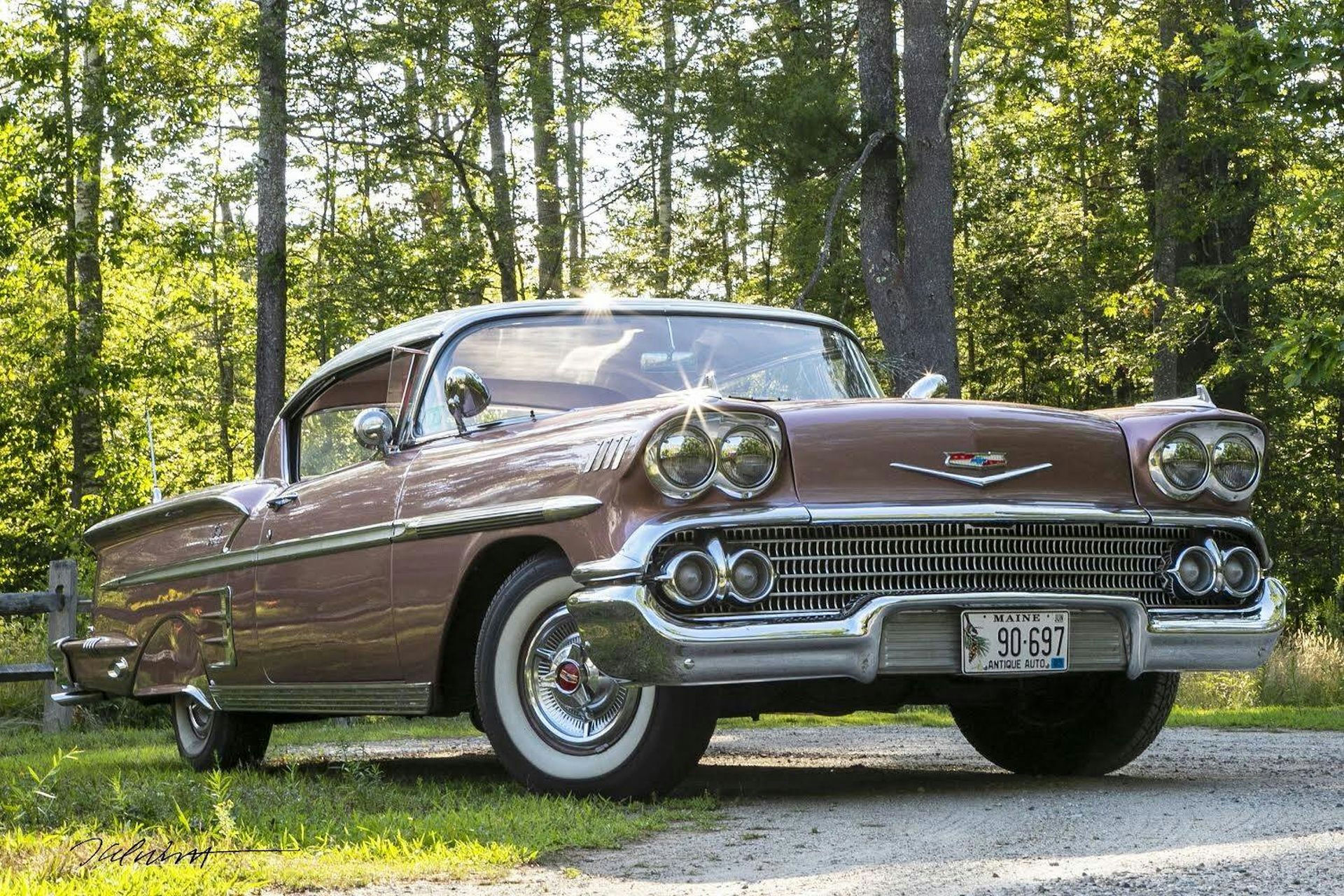
The Chevrolet Impala, introduced in 1958, quickly became an iconic symbol of American automotive design and culture. Positioned as a top-tier model in Chevrolet's lineup, it offered a blend of luxury and performance at a competitive price. The 1958 Impala featured distinctive styling with its triple taillight arrangement and wide-body design, setting a new standard for elegance. From 1959 to 1960, the Impala adopted tailfins and a leaner form, embodying the era's fascination with the jet age. In the 1960s, the Impala evolved with more powerful engine options and advanced features, making models like the Super Sport (SS) highly sought after. These cars featured potent V8 engines and sporty aesthetics, contributing to their legacy. The 1965 redesign marked a new generation with its more modern, streamlined look. The models from this period, known for their historical significance and unique designs, often drive the restoration interest and costs for enthusiasts seeking to preserve these classic vehicles.
Factors content
Factors Affecting Restoration Costs
When it comes to restoring a Chevrolet Impala from the 1958–1967 era, several key factors can dramatically impact the total cost. Restoration is a nuanced process, and understanding these elements can help potential restorers budget accordingly.
Initial Vehicle Condition
The car's initial condition is one of the most significant factors affecting restoration costs. Cars that have been well maintained or minimally modified will require less work. However, vehicles with extensive rust, missing parts, or significant damage will require more labor and resources, increasing costs substantially.
Scope of Restoration
The extent of the restoration desired is another major cost determinant. Some owners opt for a basic mechanical overhaul to get the car running, while others seek a complete restoration to showroom condition, covering every detail from bodywork to interior and mechanicals. The broader the scope, the higher the costs involved.
Availability of Parts
Sourcing original or reproduction parts can also influence the restoration budget. Authentic parts for vintage models like the Chevrolet Impala can be rare and pricey, depending on their availability in the market. On the other hand, reproduction parts might be more accessible but can vary in quality and price.
Labor Costs
Labor costs can vary greatly depending on whether the restoration is done by a professional shop or as a DIY project. Professional restorers bring experience and expertise, which can speed up the process and ensure quality but at a higher price. DIY restoration can save money but may take significantly longer and results may vary.
Level of Customization
Custom features and modifications, such as upgrading the engine or altering the interior, will add to the overall restoration cost. These personal touches often require unique parts and additional labor, thus increasing the overall budget needed for restoration.
Location and Shop Rates
Geographical location can also play a role in restoration costs. Rates for labor and parts may vary significantly between different regions, influencing the total expenditures. Restoration services in metropolitan areas might charge more compared to those in rural settings.
Timeframe
The time taken to complete a restoration project can impact costs. Expedited restorations that require prioritization by a shop might incur additional costs due to overtime or rescheduling.
Overall, understanding these factors and planning appropriately can help manage and potentially reduce the financial impact of restoring a classic Chevrolet Impala.
Levels Content
Driver-Level Restoration
- This level focuses on getting the car back on the road safely and reliably.
- Includes basic repairs and maintenance, such as fixing brakes, suspension, and the engine.
- Costs vary based on the car's condition but are generally the most affordable.
- Cosmetic work is minimal; the focus is primarily on functionality.
Street Show Restoration
- A step up from driver-level, aiming for a car that looks good in local car shows.
- Includes bodywork, fresh paint, and interior refurbishment.
- Mechanical components are in good working order, but not necessarily period-correct.
- Costs are moderate, balancing show appeal with budget considerations.
Show Car Restoration
- Targets high-quality restoration for participation in car shows on a regional or national level.
- Every detail, from paint to upholstery, is meticulously attended to.
- Mechanical parts are often restored to be period-correct for authenticity.
- Significant investment required, reflecting the detailed work and materials involved.
Concours-Level Restoration
- The highest and most expensive level of restoration, aiming for perfection.
- Often involves returning the vehicle to its original factory specifications.
- Original or NOS (New Old Stock) parts are used wherever possible.
- Suitable for cars intended for prestigious shows and substantial valuation increases.
Cost breakdown content
Bodywork and Paint
Restoring the bodywork of a 1958–1967 Chevrolet Impala involves significant costs, typically ranging from $3,500 to $10,000 depending on the degree of rust and damage. This includes sheet metal repairs, rust removal, and structural repairs. The cost of a high-quality paint job can range from $3,000 to $10,000, with costs varying based on the type of paint and custom detailing desired.
Engine and Transmission
Rebuilding or replacing the engine can cost between $4,000 and $7,500. If the transmission also needs restoration or replacement, additional costs range from $1,500 to $3,500. Labor costs for installing and tuning the engine and transmission can add another $1,000 to $3,000 to the total expense.
Interior Restoration
The interior restoration encompasses seat upholstery, carpeting, dashboard restoration, and fittings. Restoring the interior can cost between $2,000 and $6,000, depending largely on whether original materials are used and the extent of custom work. Additional features, such as upgrading the audio system or climate control, can add another $500 to $1,500.
Electrical and Wiring
An often-overlooked area in restoration projects is the car's electrical system. Replacing the wiring harness and ensuring all electrical components are functioning can cost between $1,000 and $2,500. This includes wiring for lights, gauges, and any added electrical features.
Brakes and Suspension
The cost of restoring the brakes and suspension of a classic Impala can range from $1,500 to $4,000, depending on the condition and the extent of required upgrades. This includes new brake lines, rotors, calipers, and potentially a suspension rebuild with new bushings and shocks.
Miscellaneous Costs
Additional costs may include chrome and trim restoration, which can cost between $1,000 and $3,000, depending on the amount and condition of existing pieces. Wheels and tires may add another $500 to $2,000. Incidental costs for smaller items like emblems, clips, and fasteners can total $300 to $1,000.
Approximate Total Cost
The overall cost of restoring a 1958–1967 Chevrolet Impala can vary greatly based on the initial condition and restoration goals, but generally speaking, it can range from about $15,000 to $45,000, with high-end or concours-level restorations potentially exceeding this range.
Tips content
Consider DIY for Basic Tasks
- Assess your skills and take on tasks like cleaning, sanding, or paint stripping yourself.
- Invest in a workshop manual specific to the Impala model you are restoring.
- Watch online tutorials or join online forums dedicated to classic car restorations for guidance.
Source Parts Wisely
- Check online marketplaces, forums, or swap meets for used parts at a fraction of the cost of new ones.
- Purchase parts in bulk where possible to save on shipping.
- Consider reproduction or aftermarket parts instead of OEM to reduce costs.
Develop a Restoration Plan
- Identify what needs to be restored and what parts can be repaired to save costs.
- Set clear priorities for each phase of restoration, focusing on what’s essential first.
- Keep an organized checklist to keep track of expenses and avoid surprises.
Network with Other Enthusiasts
- Join local classic car clubs or online groups to connect with other enthusiasts.
- Swap tools and parts with fellow restorers to save costs.
- Find local hobbyists willing to trade expertise for labor on their projects, offering mutual help.
Focus on Preventive Maintenance
- Regularly inspect and maintain your vehicle to prevent costly repairs in the future.
- Invest in proper storage solutions to protect your Impala from environmental damage.
- Use car covers and keep the vehicle in a climate-controlled garage when possible.
Value content
Value After Restoration
Restoring a Chevrolet Impala from the 1958–1967 era can be a rewarding venture not just for the sentimental satisfaction of reviving a classic vehicle but also for the financial return it might offer. Several factors contribute to the market value of a restored Impala, including the model year, trim level, originality, and the quality of the restoration work.
The market value for a fully restored Chevrolet Impala from the late '50s to late '60s can vary significantly. As of the latest data, a well-restored 1958 Chevrolet Impala in excellent condition can fetch between $70,000 to $120,000 at auctions or in private sales, depending largely on its originality and appeal. The iconic 1961 Impala, particularly the bubble top models, often garners high interest with prices ranging from $60,000 to $90,000. Meanwhile, the 1965–1967 models, especially those with the coveted SS (Super Sport) badge, can attract anywhere from $50,000 to over $75,000.
For enthusiasts considering a Chevrolet Impala restoration project, understanding the return on investment involves calculating not only the restoration costs but also the potential market value post-restoration. On average, a comprehensive restoration could cost anywhere from $20,000 to $50,000. Thus, the potential ROI could be substantial, ranging from 50% to over 100%, depending on various factors such as the restoration quality and current classic car market trends.
Moreover, certain Impalas, like the 1962 SS 409 convertible, are highly sought after by collectors, thus potentially increasing their market value further. Holding such a vehicle or even a limited-production model in top condition might see prices breaching the $100,000 mark, making them promising investments.
Ultimately, the return on a restored 1958-1967 Chevrolet Impala can be quite appealing, especially for collectors and enthusiasts who not only value their monetary worth but also their historical and aesthetic significance in the classic car market.