Chevrolet El Camino Restoration Costs: 1959–1977 Models
The Chevrolet El Camino , produced from 1959 to 1977 , is a unique blend of car and truck, epitomizing the utility of a pickup with the comfort of a passenger vehicle. Emerging in 1959 as a direct re…
- Restoration Title
- Value of Chevrolet El Camino 1959–1977 After Restoration
Overview
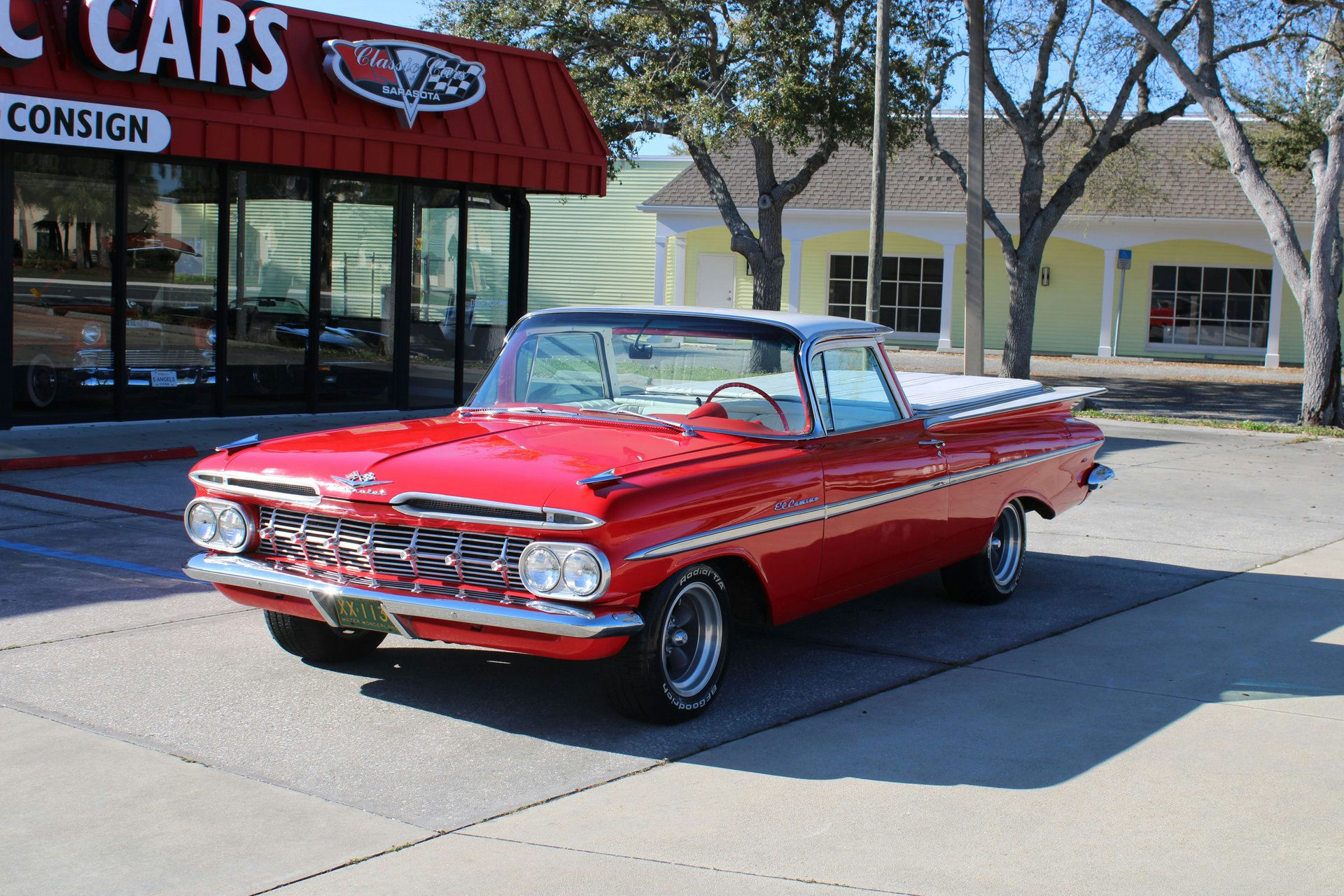
The Chevrolet El Camino, produced from 1959 to 1977, is a unique blend of car and truck, epitomizing the utility of a pickup with the comfort of a passenger vehicle. Emerging in 1959 as a direct response to the success of the Ford Ranchero, the El Camino was built on the Chevrolet Impala platform and featured distinct styling elements. The model was temporarily discontinued after 1960 but reintroduced in 1964, undergoing several transformations across its five generations. Known for its versatility and style, the El Camino offered a range of powertrains, from practical inline-six engines to high-performance V8s. The muscle car era notably influenced the 1968-1972 models, rendering them particularly desirable among collectors. As a result, restoration costs can vary significantly, driven by the El Camino's mechanical complexity and the availability of original parts. Understanding these historical nuances is crucial for appreciating the range of expenses involved in restoring these iconic vehicles.
Factors content
Condition of the Vehicle
- The initial state of the El Camino greatly influences restoration costs. A model with minimal rust and intact structural components will require less financial investment compared to one in poor condition.
Parts Availability and Costs
- Sourcing original or reproduction parts can vary in expense, with rarer parts for specific year models potentially driving higher costs.
Level of Restoration Desired
- The extent of restoration, whether a basic repair to roadworthy condition or a comprehensive, show-quality overhaul, will significantly alter the cost.
Labor Costs and Expertise
- The rate charged by professionals and the skill set required for specific restoration tasks contribute to overall expenses. Highly skilled labor in classic car restoration tends to be more costly.
Customizations and Enhancements
- Any custom modifications or upgrades, like improved performance components or modernized interiors, will add to the restoration costs beyond the standard restoration efforts.
Levels Content
Driver-Level Restoration
- Involves basic repairs and updates to ensure the vehicle is roadworthy and reliable.
- Focuses on functional aspects rather than aesthetics; includes essentials like brake repairs, engine tuning, and suspension work.
- Cost-effective option for enthusiasts who want to enjoy driving their El Camino without breaking the bank.
Street Show Restoration
- A step up from driver level, focusing on cosmetic improvements as well as mechanical reliability.
- Includes bodywork, interior refurbishing, and updated paintwork to make the car presentable for casual shows.
- Balance between cost and finish quality; higher expenses compared to driver-level due to aesthetic focus.
Concours-Level Restoration
- The most comprehensive and meticulous restoration, aiming for originality and perfection.
- Every aspect of the vehicle is restored or replaced to match factory specifications, using original parts where possible.
- Involves significant investment in time and money, often resulting in a car that can compete in high-level car shows.
Cost breakdown content
Body and Frame Restoration
- Rust Removal and Repair: Depending on the extent of rust, this process can range from $1,000 to $5,000.
- Body Panel Replacement: Authentic or reproduction panels can cost between $300 to $1,500 each; full sets may range up to $5,000.
- Paint Job: A professional paint job can range from $3,000 for a basic finish to $10,000 for a high-quality, show-grade finish.
- Frame Alignment and Repair: Costs usually range from $500 to $2,500 depending on required adjustments.
Interior Restoration
- Upholstery: Re-upholstering seats can cost between $500 and $2,000, while complete interior kits can range from $1,000 to $3,500.
- Dashboard and Instrument Panel: Restorations typically range from $300 to $1,200 depending on the model year and parts availability.
- Carpeting: Replacement carpet kits can range from $200 to $600.
Engine and Transmission
- Engine Rebuild: A full engine rebuild can cost anywhere from $2,500 to $4,500, depending on the engine’s condition and desired horsepower.
- Transmission Repair or Replacement: This can cost between $1,500 and $3,000 depending on whether the existing transmission is repaired or replaced.
Electrical Systems and Wiring
- Wiring Harness Replacement: New wiring harnesses typically range from $500 to $1,200.
- Electrical Components: Costs for repairing or replacing components such as the alternator and starter can add $200 to $800.
Exterior Trim and Accessories
- Chrome and Trim Restoration: Costs range from $500 to $3,000 depending on the quality and extent of restoration required.
- Weatherstripping: Full sets typically cost around $300 to $800.
Suspension and Brakes
- Suspension Overhaul: A complete rebuild can cost from $1,200 to $3,000 depending on parts and labor.
- Brake System: Restoring or upgrading the braking system can cost between $300 and $1,800.
Wheels and Tires
- Rims and Tires: Costs for period-correct rims range from $400 to $2,000, while a set of tires may cost anywhere between $400 and $1,200.
Considering the varied costs associated with each component and level of restoration desired, a comprehensive restoration of a Chevrolet El Camino from 1959–1977 typically ranges from $15,000 to $60,000.
Tips content
Research and Plan Thoroughly
- Before embarking on your restoration project, invest time in thorough research. Understand the specific needs of your Chevrolet El Camino model, including parts and labor requirements.
- Make a comprehensive plan that outlines every step of the restoration process, from disassembly to the final touches.
- Having a clear roadmap prevents unnecessary spending on impulsive purchases or redundant tools.
Source Parts Wisely
- Consider purchasing used or refurbished parts from reputable salvage yards or online marketplaces. They are often less expensive than new parts but can still offer quality and authenticity.
- Join El Camino enthusiast groups or forums to find parts or receive recommendations on where to buy affordable components.
- Always verify the seller's credibility and the condition of the part before purchase to avoid costly mistakes.
DIY Where Possible
- Identify restoration tasks that you can handle yourself, such as basic mechanical work, interior detailing, or minor paint touch-ups.
- Utilize online tutorials and resources or attend workshops to improve your skills and confidence in tackling certain tasks.
- Focus your budget on professional help for more complex tasks that require specialized tools or expertise.
Invest in Proper Tools
- Instead of spending on frequent tool rentals, invest in a set of quality tools specific to your restoration needs. This can save you money in the long run.
- Purchase versatile tools that can be used for various projects, increasing their value beyond the restoration.
- Consider buying used tools in good condition from online marketplaces or local tool sales.
Prioritize Tasks
- List all restoration tasks by importance and focus on critical mechanical repairs before cosmetic improvements.
- By prioritizing tasks, you can manage your budget more effectively, ensuring essential repairs are completed without compromising safety or drivability.
- Opt for upgrades on components that will add the most long-term value and satisfaction, rather than purely aesthetic elements.
Engage the Community
- Join local or online El Camino clubs or groups to gain insights and learn from others who have undergone similar restoration projects.
- Networking with fellow enthusiasts can provide cost-saving opportunities like bulk purchasing or tool sharing.
- Events or meet-ups can also offer chances to trade parts or knowledge, minimizing individual expenses.
Consider Quality Aftermarket Options
- When originality isn't a priority, explore quality aftermarket parts that can offer similar performance at a fraction of the cost.
- Check reviews and compare options to ensure you are not sacrificing quality for cost-cutting when choosing aftermarket components.
- Aftermarket parts can sometimes offer improved performance or innovative features that may benefit your restoration project.
Value content
Understanding Market Value
When it comes to analyzing the potential return on investment (ROI) for a restored Chevrolet El Camino, it is crucial to first understand the vehicle's market value after restoration. El Camino models produced between 1959 and 1977 have carved out a niche in the classic car market, with their value heavily influenced by the condition, provenance, and originality of the restoration.
Post-restoration, these vehicles can fetch anywhere from $20,000 to $75,000, depending on several variables such as the specific model year, engine size, rarity, and the quality of the restoration work. For instance, a well-restored 1970 SS 396 El Camino, renowned for its performance features, can command prices at the higher end of this spectrum, often exceeding $50,000.
Factors Affecting ROI
Several factors play into the ROI of a restored El Camino:
- Model Year and Specs: Models with bigger, high-performance engines or those produced during peak years like the late 60s and early 70s generally see higher returns.
- Restoration Quality: The level of detail in the restoration, including using original or high-quality reproduction parts, can significantly impact market value.
- Desirability and Rarity: Limited production models or those with special features and packages are more sought after.
Calculating ROI
To calculate the ROI of a Chevrolet El Camino restoration, subtract the initial purchase price and the total restoration costs from the car's final market value post-restoration. Then, divide this number by the initial purchase price. Here is the basic formula:
- ROI (%) = [(Market Value - Purchase Price - Restoration Costs) / Purchase Price] × 100
For example, if an El Camino is acquired for $10,000, and the total restoration costs amount to $30,000, resulting in a market value of $50,000, the ROI would be:
- ROI (%) = [($50,000 - $10,000 - $30,000) / $10,000] × 100 = 100%
This indicates a 100% return on the initial investment before accounting for any seller's fees or taxes.
Final Considerations
Investors or restorers should also bear in mind that the classic car market can fluctuate, influenced by trends in desirability, economic conditions, and shifts in collector interest. Therefore, while data and calculations can provide a guideline, there's always an element of risk inherent in such investments.