Chevrolet Corvette Restoration Costs: 1953–1982 Models
The Chevrolet Corvette , introduced in 1953, is an iconic American sports car known for its sleek design and powerful performance. Spanning from 1953 to 1982, this period covers the first three gener…
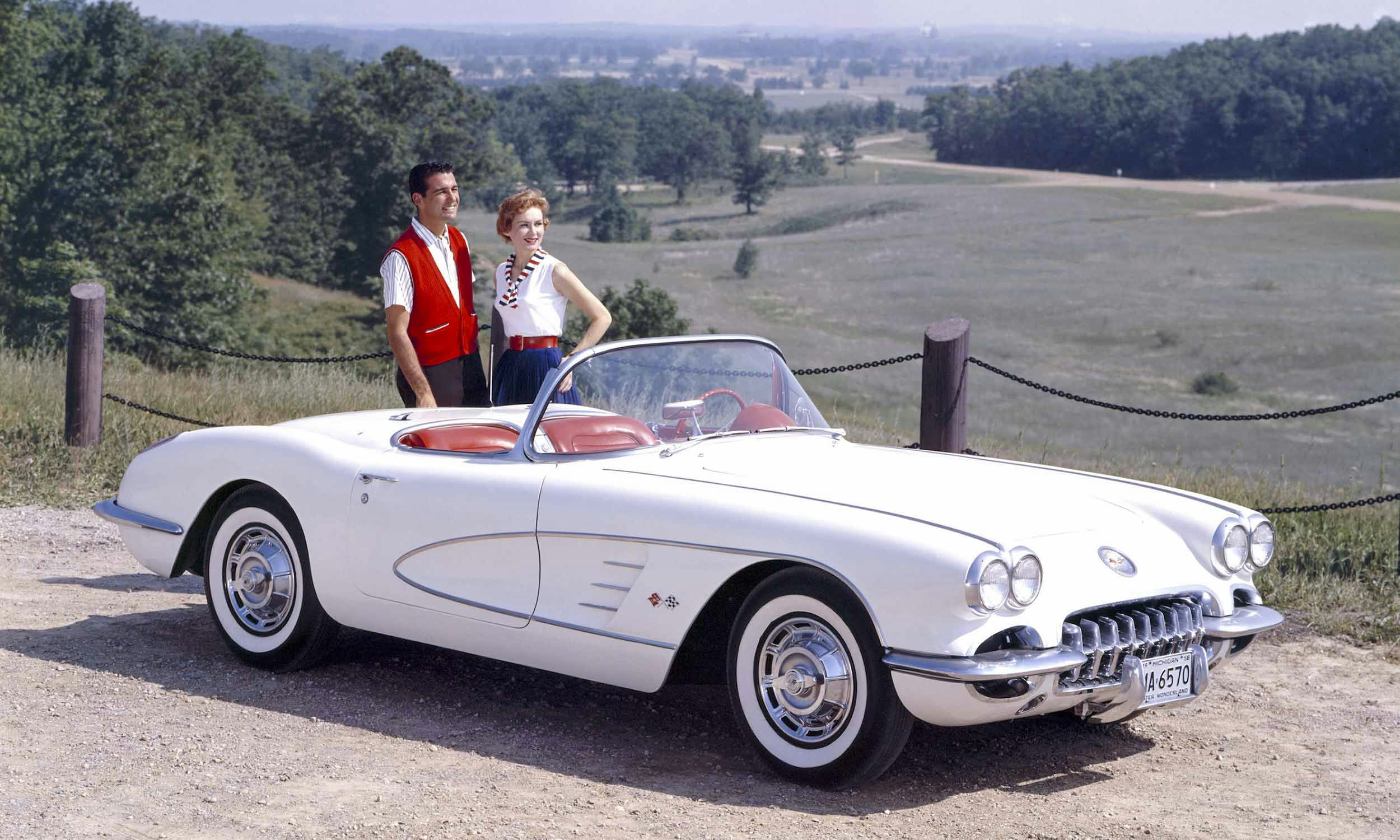
- Restoration Title
- Value of Chevrolet Corvette 1953–1982 After Restoration
Overview
The Chevrolet Corvette, introduced in 1953, is an iconic American sports car known for its sleek design and powerful performance. Spanning from 1953 to 1982, this period covers the first three generations of the Corvette, each with its own unique features and breathtaking appeal. The C1 models (1953-1962) are prized for their classic curves and limited production numbers, making them highly sought after by collectors. The C2 models (1963-1967), often referred to as the Sting Ray era, are celebrated for their revolutionary styling and engineering advancements. Finally, the C3 models (1968-1982) introduced T-top roof panels and more aerodynamic bodies, encapsulating the changing automotive trends of the era. With its storied history and evolution, the early Corvette models require specialized knowledge and authentic parts for restoration, impacting costs significantly. Understanding the rich legacy and allure of these classic models provides essential context for evaluating their restoration expenses.
Factors content
Condition of the Vehicle
- The initial condition greatly affects restoration costs. A Corvette in poor condition requires more extensive repairs and parts replacement, leading to higher costs.
- Vehicles with rust or structural damage may need specialized restoration techniques, which increase expenses.
Availability of Parts
- The availability of original or reproduction parts can significantly impact costs. Scarce parts can drive prices up due to their rarity.
- Using original parts rather than aftermarket alternatives often increases the overall cost but can add more value to the restoration.
Level of Authenticity Desired
- Restorations aiming for historical accuracy typically incur higher costs due to the need for original parts and authentic techniques.
- Partial or modified restorations might reduce costs, but they may also affect the vehicle's value to collectors.
Professional Services Required
- The need for skilled labor affects costs, including expenses for mechanics, bodywork specialists, and interior restorers.
- Choosing reputable professionals or specialized restoration shops may ensure better quality but can come at a premium price.
Extent of Restoration
- Partial restorations that focus on specific areas such as engine work or interior refurbishment may be less costly than full restorations.
- Full restorations, including disassembling and rebuilding the vehicle to factory specifications, are typically more expensive.
Location and Market Conditions
- Restoration costs can vary widely depending on geographical location, with labor rates differing across regions.
- Market demand for Corvette restoration services can also influence pricing, with popular areas possibly charging more.
Time Frame for Restoration
- Expedited restorations often involve more resources and incur higher costs compared to those done over a longer period.
- Planning for a realistic timeline can help manage costs and allow for sourcing parts at better prices.
Levels Content
Driver Quality Restoration
- This level includes basic repairs to make the car roadworthy.
- Focuses on functionality rather than appearance.
- Typically involves repairing or replacing essential components like brakes, tires, and engine parts.
- Affordably priced, making it ideal for enthusiasts with a limited budget.
Show Quality Restoration
- Emphasizes meticulous attention to detail.
- Includes both mechanical and aesthetic improvements.
- High-quality exterior paint and interior refurbishment are typical in this level.
- Sought after by collectors and often results in a vehicle that performs and looks as new or better.
Concours Quality Restoration
- The pinnacle of restoration, aimed at achieving factory-original conditions.
- May involve using original parts or exact replicas.
- Includes authentic finishes and colors aligned with the production period.
- Most expensive level, but results in a museum-quality vehicle.
Preservation Restoration
- Focuses on maintaining the originality and patina of the vehicle.
- Involves minimal intervention, restoring only as necessary to preserve the current state.
- Retains original components and materials wherever possible.
- Suitable for vehicles with historical significance or low mileage.
Cost breakdown content
Engine and Transmission
- Engine Rebuild: Depending on the engine condition, an engine rebuild can range from $3,000 to $7,000. If replacement is necessary, costs can exceed $10,000.
- Transmission Overhaul: Expect to pay between $1,000 and $2,500 for a standard overhaul. High-performance transmissions can cost upwards of $3,500.
- Carburetor/Injection System: Refurbishing a carburetor might cost $200 to $600, while modernizing with a fuel injection system can start at $1,500.
Body and Paint
- Bodywork: Repairing fiberglass can be labor-intensive, with costs from $1,000 to $5,000, depending on the extent of damage.
- Paint Job: A high-quality paint job, necessary for preserving the value of a vintage Corvette, typically costs between $5,000 and $10,000.
- Chrome and Trim: Restoring chrome trim can range from $500 to $2,000.
Interior Restoration
- Seat Upholstery: New upholstery work can cost from $1,000 to $2,500 for both seats.
- Dashboard and Gauges: Refinishing or replacing the dashboard and fixing gauges can cost from $800 to $2,000.
- Carpeting and Panels: Replacing carpet and interior panels can range from $800 to $1,500.
Electrical System
- Wiring Harness: Replacing the wiring harness can cost between $1,000 and $1,500.
- Lighting and Accessories: Expect to spend $300 to $700 on lights and other electrical components.
- Battery and Alternator: Replacements might cost between $200 and $500.
Suspension and Brakes
- Suspension Overhaul: Restoring a Corvette's suspension system might cost from $1,500 to $3,500.
- Brake System: Overhauling the brakes can cost from $800 to $2,000.
Exhaust and Cooling Systems
- Exhaust System: Installing a stainless steel exhaust system might range from $1,000 to $2,500.
- Cooling System: Replacing the radiator and hoses can cost $500 to $1,200.
Wheels and Tires
- Wheels: Reconditioning original wheels or purchasing new ones can range from $600 to $2,000.
- Tires: New tires for a classic Corvette can cost between $600 and $1,200.
In summary, the total restoration costs for a Chevrolet Corvette from the 1953–1982 era can range dramatically from approximately $20,000 to $60,000, depending on the car's initial condition and the extent of the restoration.
Tips content
Research and Plan Meticulously
- Begin by gathering as much information as possible about your specific Corvette model and the costs associated with restoring its various parts.
- Create a detailed plan or checklist that outlines each phase of the restoration process.
- Consider joining online forums or local car clubs where you can speak with others who have undertaken similar projects and can offer valuable insights.
Source Affordable Parts Strategically
- Look for used or NOS (New Old Stock) parts from reputable sources like swap meets, online auctions, or Corvette specialty stores.
- Consider buying reproduction parts that are often more affordable while ensuring they are of good quality.
- Don’t shy away from negotiating prices, especially when purchasing multiple items from the same vendor.
Perform DIY Tasks When Possible
- Identify aspects of the restoration that you can handle yourself, such as interior work, minor mechanical repairs, or simple bodywork.
- Invest in a quality set of tools and ensure you have a well-lit, organized workspace to facilitate these tasks.
- Watch online tutorials and read guides to increase your skill level and confidence for DIY projects.
Prioritize Restoration Efforts Intelligently
- Focus on critical areas first, such as the engine and chassis, to ensure the vehicle runs safely and reliably.
- Delay non-essential aesthetic improvements like paint jobs or interior upholstery until the rest of the car is in optimal condition.
- Regularly reassess your priorities and adjust your restoration plan as necessary based on emerging needs or budgetary constraints.
Partner with Skilled Enthusiasts
- Build relationships with individuals who are experienced in Corvette restoration and may be willing to offer advice or assistance for a reduced fee.
- Engage in skill-swap arrangements where you trade your expertise for help with your restoration project.
- Leverage the collective experience of Corvette clubs to find vetted and affordable restoration services.
Monitor Costs Diligently
- Keep a detailed log of all expenses and regularly review them to ensure they align with your initial budget plan.
- Set aside a contingency fund for unexpected expenses that can arise during the restoration process.
- Make adjustments to your financial plan as necessary, but always keep a firm grip on your overall spending.
Value content
Understanding the Market Value
Restoring a Chevrolet Corvette from 1953-1982 can significantly increase its market value, especially given the Corvette's iconic status among classic American muscle cars. Depending on factors such as the model year, condition, and authenticity of parts, restored Corvettes from this era can command impressive prices. For instance, first-generation Corvettes from 1953 to 1962 can fetch between $80,000 and $150,000, while the 1963-1967 models, known for their "Sting Ray" design, might sell for $90,000 to upwards of $300,000 for rare models like the 1967 L88. Later models from the 1970s can vary greatly, with averages between $35,000 and $80,000.
Calculating Return on Investment (ROI)
The ROI for restoring a Chevrolet Corvette can be substantial but hinges on several variables including restoration costs, initial purchase price, and the current demand for specific models. On average, a full restoration might cost between $40,000 and $60,000. Assuming a mid-range restoration cost of $50,000 and factoring in purchase costs, a rare 1963 Split-Window Coupe purchased for $60,000 and sold for $140,000 would yield a potential ROI margin of around 30% or more. For models with less demand but still profitable returns, the calculation might see investing $20,000 on a mid-70s model fetching a sales price around $50,000, resulting in a 60% increase.
Factors Influencing Value and ROI
Several elements can affect the post-restoration market value and ROI of a classic Corvette. Restorations that maintain authenticity with original parts and specifications generally secure higher returns. Market trends also play a crucial role; the emergence of vintage car auctions and increasing interest in specific models can inflate values. Additionally, third-party certification or concourse awards can enhance value, providing assurance to buyers of the vehicle's authenticity and quality. It’s also important to consider insurance, storage, and ongoing maintenance, which can impact net ROI.
Conclusion
Restoring a Chevrolet Corvette from 1953 to 1982 can indeed be a lucrative venture for those committing to the process with strategic forethought. While upfront costs are significant, the potential increases in market value and personal satisfaction can offset these, offering a commendable return on investment for enthusiasts and investors alike. Investing in a Corvette restoration not only enhances the car's value but also preserves a treasured piece of automotive history.