Chevrolet Camaro Restoration Costs: 1967–1969 Models
The Chevrolet Camaro from 1967 to 1969 stands as a symbol of American automotive ingenuity and power , representing the early era of the muscle car. Launched to compete against the Ford Mustang, thes…
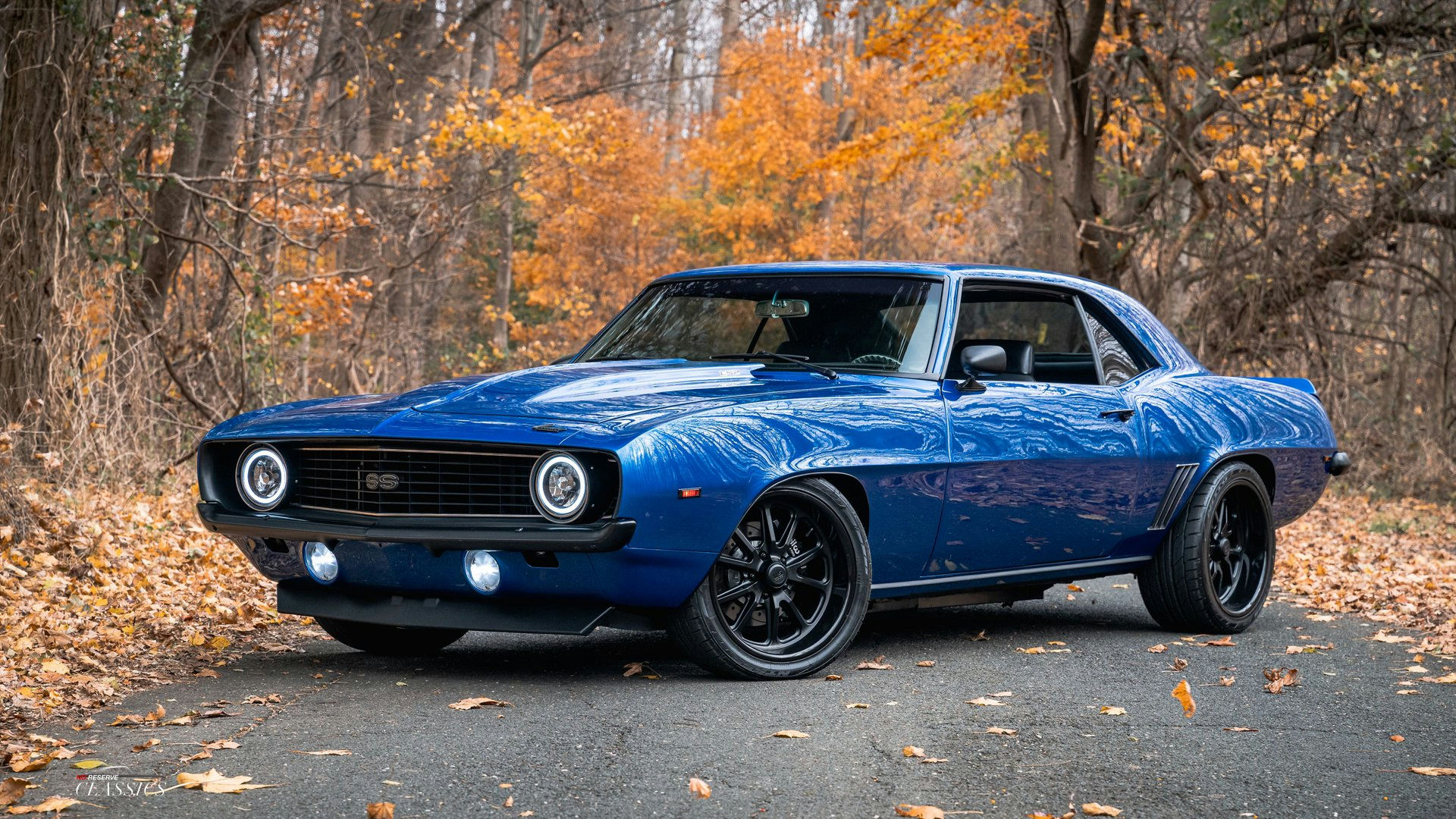
- Restoration Title
- Value of Chevrolet Camaro 1967–1969 After Restoration
Overview
The Chevrolet Camaro from 1967 to 1969 stands as a symbol of American automotive ingenuity and power, representing the early era of the muscle car. Launched to compete against the Ford Mustang, these first-generation Camaros were built with a sporty silhouette, offering a range of options from the modest inline-six engines to the formidable V8s. The 1967 model marked the series debut, introducing features like the Rally Sport and Super Sport packages that amplified both style and performance. In 1968, subtle design tweaks included the removal of the vent wing windows and the addition of side marker lights, enhancing both aesthetics and safety. The 1969 model featured a more aggressive body design emphasizing the Camaro's muscle car identity. These models were iconic for their racing successes and street prowess, making them desirable for restoration today. Understanding these classic cars' historical and mechanical significance influences their restoration costs, which can vary widely based on condition and originality.
Factors content
Condition of the Vehicle
- Original parts may need replacing due to rust or damage.
- Bodywork and frame condition can significantly increase costs.
- The presence of original documentation can help in assessing restorations.
Parts Availability and Authenticity
- Finding authentic parts can be challenging and costly.
- Reproductions or aftermarket parts might be more cost-effective.
- The need for rare or hard-to-find components often requires higher budgets.
Labor Costs
- Specialized skills for restoration work can drive up expenses.
- Location can affect labor rates dramatically.
- DIY projects may lower costs but demand time and skill.
Extent of Restoration
- Partial restorations focus on specific areas and cost less.
- Full restorations require significant investment in time and resources.
- Owner preferences for modifications or upgrades can alter expenses.
Market Demand and Trends
- High demand for classic Camaro models can increase restoration costs.
- Trends in car modifications might influence parts availability.
- The rarity of certain model specifications can drive up part prices.
Levels Content
Basic Restoration
- This level focuses on getting the car running and looking presentable. It includes essential mechanical and safety repairs.
- Key tasks may include engine tuning, brake repairs, and addressing any major rust issues.
- Usually involves a basic paint job and interior cleaning or minor upholstery work.
- Costs for basic restoration can vary widely but generally start at a lower price range compared to more intensive restorations.
Partial Restoration
- Partial restoration targets specific areas of the Camaro for detailed improvement, focusing on certain systems rather than the whole vehicle.
- Often includes upgrading the engine, transmission, or suspension systems for better performance.
- Interior refurbishing such as replacing seats and carpets, along with more comprehensive painting can be part of this level.
- Costs are higher than basic restoration due to the increased level of detail and craftsmanship involved.
Full Restoration
- This aims to return the Camaro as close to its original factory condition as possible, requiring extensive work.
- Involves complete disassembly of the vehicle, thorough rust repair, engine overhaul, and full body and paintwork.
- Original or high-quality reproduction parts are often used throughout the vehicle.
- Represents a significant investment and is typically the most expensive restoration level, often undertaken for show cars or classic collectors.
Concours Restoration
- This is the highest level of restoration, resulting in a car that might meet or surpass its original, showroom condition.
- Attention to detail is critical, with an emphasis on authenticity, requiring only original or period-correct parts.
- Museum-quality craftsmanship is essential, and the project might take several years to complete.
- Costs can be extremely high, reflecting the labor-intensive nature and the rarity of sourcing certain authentic components.
Cost breakdown content
1. Bodywork and Paint
Restoring the body of a 1967–1969 Chevrolet Camaro can be one of the most significant expenses. If the Camaro has rust or damage, you'll need to consider metalwork, which might include panel replacement, dent repair, and rust removal. Expect to pay between $5,000 and $12,000 for extensive bodywork. Painting the vehicle will add another $3,000 to $10,000, depending on the quality and finish desired.
2. Engine and Transmission
Rebuilding or replacing the engine can range from $3,000 to $10,000. The cost will vary depending on whether you opt for a standard rebuild or a high-performance upgrade. Transmission restoration or replacement adds another $1,500 to $4,000 to the overall cost, depending on whether the car has a manual or automatic gearbox.
3. Interior Restoration
Restoring the interior of a Camaro involves refreshing or replacing seats, carpets, dashboard, and interior panels. New upholstery and carpet can cost between $1,000 and $3,000. Replacing the dashboard and other interior features could add another $1,000 to $2,500.
4. Electrical Systems
Updating or repairing the electrical system, including wiring harnesses, lights, and other electrical components, can be a crucial part of a restoration. Costs vary based on the extent of the work required, ranging from $500 to $2,500. If a modern upgrade for better reliability is desired, this could increase costs further.
5. Suspension and Brakes
Rebuilding or upgrading the suspension and brakes is essential for safety and performance. Basic restoration or upgrades can range from $1,500 to $5,000. This cost includes new shocks, springs, bushings, as well as brake pads, rotors, and lines.
6. Wheels and Tires
Replacing or restoring original wheels and buying new tires can cost between $800 and $2,000. If you want period-correct wheels or go for a customized look, the price might be at the higher end of this range or beyond.
7. Miscellaneous Components
There are various other smaller components like glass replacement, chrome parts, badges, and miscellaneous fixtures that add up in cost. Budgeting an additional $1,000 to $3,000 for these unexpected expenses is advisable.
In total, if you're fully restoring a 1967–1969 Chevrolet Camaro with due attention to each of these aspects, you can expect costs to range between $15,000 and $50,000. This range depends on the current condition of the car, the level of restoration, and the quality of materials used.
Tips content
Start with a Clear Plan
- Conduct thorough research on the specific Camaro model you have—understand the parts and labor needed.
- Draft a comprehensive budget covering parts, labor, and potential unexpected costs.
- Establish a timeline to prioritize tasks, spreading out expenses over time to manage cash flow effectively.
Source Parts Strategically
- Look for reputable online forums and communities focusing on classic Camaros where members often share tips on sourcing affordable parts.
- Compare prices from different online vendors, salvage yards, and swap meets to find competitive deals.
- Consider partnering with fellow enthusiasts in bulk orders to minimize shipping costs and take advantage of discounts.
Focus on DIY Solutions
- Invest in service manuals and video tutorials to tackle simpler repairs yourself, saving on labor costs.
- Join local classic car clubs which often host workshops or sessions where members share hands-on skills.
- For tasks you aren’t confident handling, seek guidance from experienced restorers who may offer assistance or mentorship at a lower cost than professionals.
Prioritize Original Parts
- Restoring original parts, where feasible, can be cheaper and add more value by maintaining authenticity.
- Exploring options such as repairs and refurbishment can be more affordable alternatives to replacements.
- When replacements are necessary, look for high-quality aftermarket parts that align with the original specifications to preserve the car's authenticity.
Budget Paint and Bodywork Carefully
- Select a trustworthy local shop for competitive quotes instead of heading straight to high-end professional services.
- Consider partial or phased work, addressing the most urgent needs first, to spread costs and avoid overwhelming expenses.
- For minor repairs and touch-ups, DIY options with quality products can dramatically reduce costs without compromising aesthetics.
Network and Leverage Community Resources
- Participate in local shows, meet-ups, and online forums to tap into a network of fellow enthusiasts offering advice, parts, or even help with labor.
- Use social media platforms to connect with others who have completed similar restorations for firsthand advice and potential cost-cutting strategies.
- Leverage community knowledge to find recommendations for affordable and reliable service providers.
Regular Maintenance to Avoid Future Costs
- Establish a routine maintenance schedule post-restoration to prolong the life and condition of your restored Camaro.
- Keep accurate records of any services, replacements, or modifications to help anticipate potential issues early.
- Monitor performance consistently to ensure minor issues are addressed before escalating into costlier repairs.
Value content
Understanding Market Value After Restoration
Restoring a 1967–1969 Chevrolet Camaro can significantly enhance its market value, potentially providing a profitable return on investment. The market for classic cars like the Chevy Camaro is robust, with collectors and enthusiasts willing to pay premium prices for well-restored models.
Factors Affecting Valuation
Several factors influence the market value of a restored Camaro:
- Rarity: Special editions or rare trims such as the Z/28 or SS can command higher prices.
- Originality: Cars with original parts and specifications are usually more valuable than those with aftermarket modifications.
- Quality of Restoration: A meticulous, authentic restoration will attract higher offers compared to a rush job.
- Documentation: Thorough records of the restoration and original paperwork can enhance the car’s appeal.
Estimated Market Value Post-Restoration
Once a 1967–1969 Camaro has undergone a quality restoration, its market value can increase substantially. Here are some benchmarks:
- The value of a base-level Camaro after restoration could range from $40,000 to $70,000.
- A restored SS model might fetch between $70,000 and $125,000, depending on its condition and originality.
- A rare Z/28 in excellent restored condition could command upwards of $100,000 to $200,000.
Potential Return on Investment
The ROI on restoring a 1967–1969 Camaro depends on the initial purchase price, restoration costs, and the market value post-restoration. Typically, restoration costs can range from $30,000 to over $100,000, factoring in the parts, labor, and expertise required. If a Camaro is purchased for $15,000 and restoration costs are $50,000, selling the restored car for $100,000 could result in a substantial ROI. However, it is crucial to research current market trends, as fluctuations can impact potential returns.
Investors should also remember that while there is potential for profit, the process can be costly and time-consuming. Careful consideration of all variables is necessary to ensure a favorable financial outcome.