Chevrolet Bel Air Restoration Costs: 1950–1959 Models
The Chevrolet Bel Air is an iconic symbol of American automotive history, produced by General Motors from 1949 through 1981, with the most renowned models emerging in the 1950s. During the 1950–1959 …
- Restoration Title
- Value of Chevrolet Bel Air 1950–1959 After Restoration
Overview
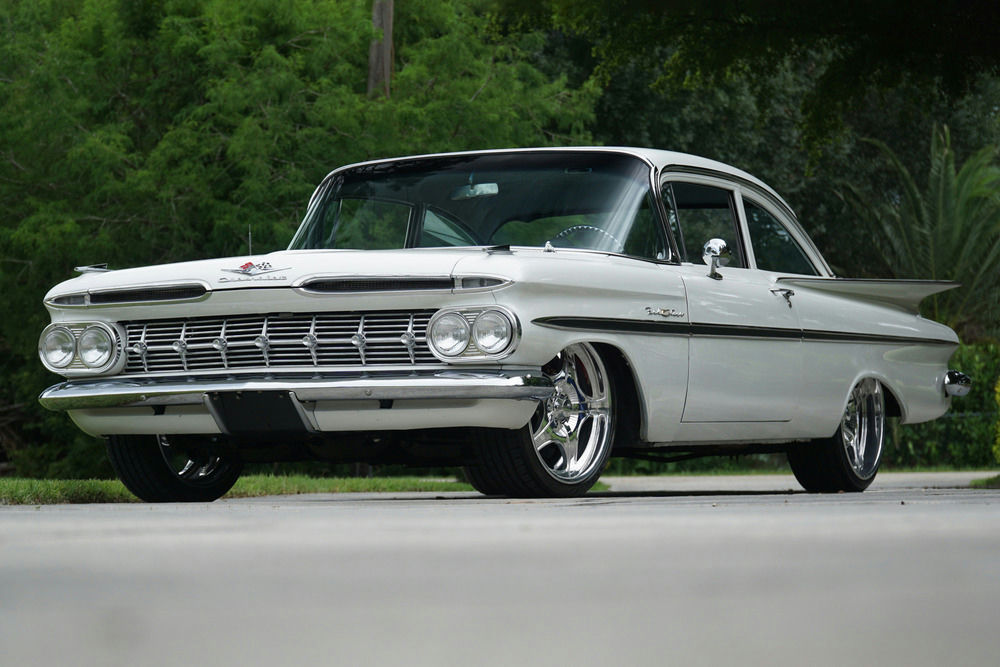
The Chevrolet Bel Air is an iconic symbol of American automotive history, produced by General Motors from 1949 through 1981, with the most renowned models emerging in the 1950s. During the 1950–1959 period, the Bel Air evolved from a modest full-sized car to a symbol of post-war prosperity and style. Introduced in 1950, it quickly became known for its distinctive design, marked by sweeping lines, bold grilles, and recognizable tailfins, capturing the essence of a decade defined by innovation and optimism. The mid-50s saw the introduction of the "Tri-Five" models (1955–1957), celebrated for their transformative styling and powerful V8 engines, which have since become the quintessential embodiment of vintage motoring. These hallmark features contribute to the high restoration costs today, as enthusiasts strive to preserve the original aesthetic and functionality. The enduring popularity and collectible status of the Chevrolet Bel Air make its restoration a compelling but costly endeavor.
Factors content
Condition of the Vehicle
- Initial assessment of bodywork and structural integrity.
- Extent of rust, dents, or body damage.
- The state of mechanical components and drivetrain.
Originality and Parts Availability
- Availability of authentic parts for restoration.
- Cost differences between original parts and reproductions.
- The decision to customize versus restore to original specifications.
Professional Labor and Expertise
- Hourly rates for skilled restoration specialists.
- Experience and reputation of the restoration shop.
- Potential for do-it-yourself work versus professional hiring.
Paint and Finish Quality
- Types of paint and finish desired, from factory-matching paint to custom colors.
- Cost and quality of materials, including paint, varnish, and sealants.
- Complexity of detailing work, such as pinstriping or custom finishes.
Interior Restoration
- Replacement or refurbishing of upholstery and seating.
- Cost of restoring dashboards, gauges, and other interior components.
- Choosing between original designs and modern upgrades for comfort.
Levels Content
Driver-Level Restoration
- Focuses on making the vehicle drivable and operational.
- Basic mechanical repairs with minimal cosmetic work.
- Cost-effective option for those looking to enjoy the car without showcasing.
Street Show Restoration
- A blend of functionality and appearance.
- Includes exterior painting and some interior enhancements.
- Suitable for casual car shows and events.
Show Car Restoration
- High-quality restoration aimed at car show participation.
- Focuses on both mechanical and aesthetic perfection.
- Higher costs due to attention to detail and use of premium materials.
Concours-Level Restoration
- Aims for factory-original condition, ideal for high-level car competitions.
- Includes meticulous historical accuracy and use of original parts.
- The most expensive and time-consuming level of restoration.
Cost breakdown content
Body and Paint Work
- Initial Assessment and Disassembly: $500 - $1,500
- Body Panel Replacement and Repair: $2,000 - $6,000
- Rust Removal and Treatment: $500 - $2,500
- Painting and Polishing: $3,000 - $10,000
- Chrome Work: $1,000 - $4,000
Engine and Transmission Restoration
- Engine Rebuild or Replacement: $3,000 - $8,000
- Transmission Overhaul: $1,500 - $3,500
- Cooling System Upgrades: $500 - $1,500
- Fuel System Restoration: $600 - $1,200
Interior Revamp
- Upholstery Replacement: $1,000 - $4,000
- Dash and Instrument Restoration: $800 - $2,000
- Audio System Installation: $200 - $800
- Carpeting and Floor Refurbishment: $400 - $1,000
Suspension and Brakes
- Suspension Overhaul: $1,000 - $3,000
- Brake System Revamp: $700 - $1,500
- Wheel and Tire Replacement: $800 - $2,000
Electrical System Restoration
- Wiring Harness Replacement: $800 - $2,500
- Lighting System Update: $300 - $800
- Battery and Alternator Replacement: $200 - $600
Miscellaneous Costs
- Project Management and Overhead: $500 - $2,000
- Documentation and Licensing: $100 - $500
- Unexpected Contingencies: $1,000 - $3,000
The complete restoration of a Chevrolet Bel Air from the 1950s typically ranges between $20,000 and $80,000, depending on the vehicle's condition, the extent of work needed, and the quality of the parts and labor chosen.
Tips content
Prioritize Essential Repairs
- Focus on critical mechanical components, such as the engine, transmission, and brakes, before cosmetic aspects.
- Identify and repair issues that can lead to further damage if ignored, such as rust or water leaks.
- Make a detailed list of priorities and tackle them in phases to manage costs effectively.
Source Original Parts Wisely
- Join online forums and social media groups related to Chevrolet Bel Air restoration for tips on where to find affordable parts.
- Consider purchasing reproduction parts when originals are too costly or difficult to find.
- Attend car shows and swap meets to find deals on both original and reproduction parts.
Learn Basic Restoration Skills
- Consider taking classes or watching online tutorials on basic car restoration techniques.
- Handle tasks such as paint stripping, sanding, and minor upholstery work to save on labor costs.
- Purchase quality tools that can be reused in future projects, reducing the need for professional services.
Get Multiple Quotes for Professional Services
- Request detailed quotes from multiple restoration shops to compare prices and services offered.
- Check online reviews and ask for references to ensure the quality of work before committing.
- Negotiate prices and ask about payment plans to manage larger expenses.
Consider Partial Restoration
- Focus on restoring key sections of the vehicle that improve both aesthetics and performance.
- Balance time and budget by spreading restoration work over a longer period, tackling one area at a time.
- Regularly assess the condition of the car to decide which areas can remain untouched for now.
Utilize Community Resources
- Engage with local car clubs to access tools, parts, and expertise at little to no cost.
- Participate in workshops organized by these clubs that are tailored to classic car restoration.
- Network with fellow enthusiasts for possible partnerships in buying parts in bulk to reduce costs.
Value content
Value After Restoration
Restoring a Chevrolet Bel Air from the 1950–1959 era can significantly enhance its market value, making it a potentially rewarding investment. The return on investment (ROI) varies based on the model, level of restoration, and current market conditions. A fully restored Bel Air typically commands a higher price in the collector's market, often offering a favorable ROI.
Market Value Insights
- The market value of a restored 1950–1959 Chevrolet Bel Air largely depends on its condition, originality, and historical significance. Generally, a comprehensive restoration that maintains original specifications will yield the highest market value.
- As of recent data, a meticulously restored Chevrolet Bel Air from this period can range from $45,000 to upwards of $150,000, with the iconic 1957 model frequently reaching the higher end of this range.
- Factors such as engine type, paint color, and additional features can further influence market value. For instance, a 1957 Bel Air with a 283-cubic inch V8 engine and a coveted "Tropical Turquoise" paint job may attract higher bids among enthusiasts.
Return on Investment Potential
- While restoration costs can be substantial, often ranging from $30,000 to $100,000 depending on the condition and extent of modifications, the appreciation in value post-restoration can potentially exceed these expenses.
- For collectors and restorers, a successfully restored Chevrolet Bel Air can deliver an ROI of 20% to 50% or even higher, contingent on market demand and timing of sale.
- It's essential for potential investors to consider additional costs such as ongoing maintenance, storage, and insurance when calculating potential returns.
Understanding these factors allows investors and enthusiasts to make informed decisions regarding the restoration of a 1950–1959 Chevrolet Bel Air, ultimately enhancing its financial and collectible value.