Buick Skylark Restoration Costs: 1953–1968 Models
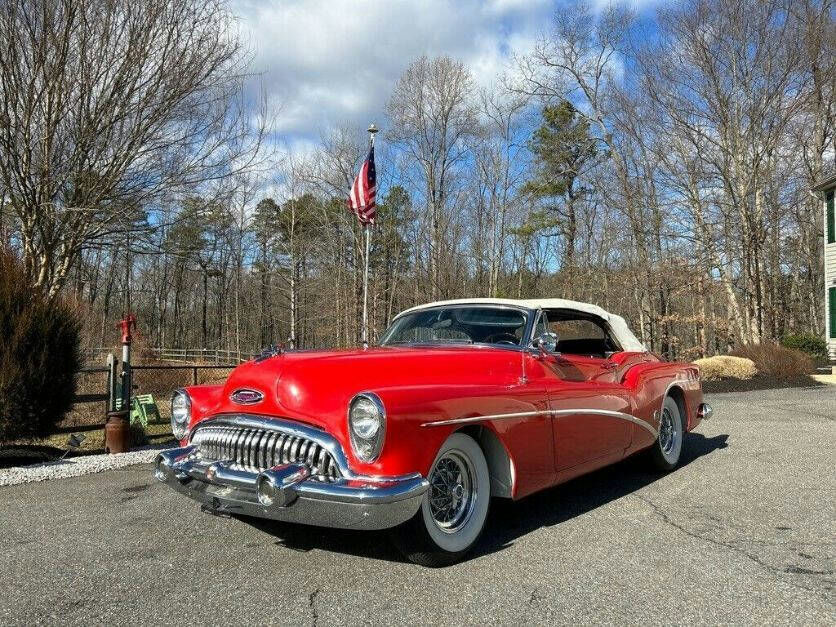
The Buick Skylark , initially introduced in 1953 as a limited-production model, represents an era of American automotive engineering characterized by style and performance. Created to celebrate Buick…
- Restoration Title
- Value of Buick Skylark 1953–1968 After Restoration
Overview
The Buick Skylark, initially introduced in 1953 as a limited-production model, represents an era of American automotive engineering characterized by style and performance. Created to celebrate Buick's 50th anniversary, the early Skylarks boasted a powerful V8 engine and luxurious features, quickly gaining popularity. Throughout the years leading to 1968, the Skylark evolved, embracing significant changes in design and technology, culminating in a versatile line-up that included both two-door and four-door variants. The 1953–1968 Skylark models are renowned for their distinctive styling, ranging from the sleek and sophisticated aesthetics of the 50s to the bolder, more angular designs of the 60s. As iconic symbols of their respective decades, these vehicles are highly sought-after by collectors and enthusiasts, leading to increasing interest in restoration projects. Understanding the nuances and historical significance of each model year is crucial, as restoration costs often vary based on model rarity, condition, and availability of original parts.
Factors content
Condition of the Vehicle
The original state of the Buick Skylark you're restoring is perhaps the most significant factor influencing restoration costs. A vehicle in decent condition may only require minor touch-ups, while one in severe disrepair could necessitate extensive bodywork, engine repairs, and replacement of missing parts.
Availability of Parts
The ease of acquiring parts specific to the 1953–1968 Buick Skylark models impacts the overall cost. Scarcer parts might have to be custom-fabricated or sourced from distant regions, increasing both part and shipping costs.
Level of Restoration Desired
Different levels of restoration, from a basic mechanical restoration to a comprehensive body off-frame restoration, vary significantly in cost. Enthusiasts opting for factory-original specifications may face steeper expenses due to the need for period-correct components and finishes.
Labor Costs
Depending on the expertise required, labor costs can significantly impact total restoration expenses. Hiring seasoned professionals may ensure quality results but will be costlier compared to employing general service mechanics.
Geographical Location
Restoration costs can be affected by your geographical location. Urban areas tend to have higher labor and overhead expenses compared to rural locales, which could reflect in the prices charged by restoration shops.
Timeframe for Completion
A shorter restoration timeline typically demands more resources and personnel working in unison, potentially increasing the cost. Conversely, a more extended timeframe might lower immediate costs but could risk price increases over time for labor and parts.
Levels Content
Concours Restoration
- Intended for show-quality vehicles that exceed factory standards.
- Extensive effort put into research, sourcing original parts, and perfect craftsmanship.
- Involves complete disassembly and meticulous reassembly.
- Significant cost due to the labor-intensive process and sourcing rare components.
Comprehensive Restoration
- Aims to bring the car back to its original glory as close to factory conditions as possible.
- Includes restoration of all major components such as engine, transmission, and interiors.
- Use of OEM parts is preferred, though high-quality reproductions may be utilized.
- Balance of cost and quality, typically less than concours but still substantial.
Driver Restoration
- Focuses on restoring the car to being roadworthy while maintaining its aesthetic appeal.
- Prioritizes functionality and safety over achieving perfect originality.
- Common updates include modern safety systems, improved brakes, and engine tuning.
- More budget-friendly compared to higher levels, but still entails considerable expense.
Cosmetic Restoration
- Involves enhancing only the visual aspects of the car such as paint, upholstery, and trim.
- Does not typically address mechanical components unless they affect the vehicle's appearance.
- Commonly focuses on exterior and interior aesthetic upgrades.
- Least expensive level, mainly for those looking to improve appearance rather than full functionality.
Cost breakdown content
Engine and Transmission
- Rebuilding/Refreshing the Engine: $3,000 - $6,500
- Transmission Repair/Replacement: $1,500 - $4,000
- New Exhaust System: $300 - $1,200
- Drive Shaft and Axles: $400 - $1,000
Body and Paint
- Body Work and Dent Removal: $1,000 - $3,500
- Full Paint Job (Including Materials): $3,000 - $10,000
- Chrome Refinishing: $500 - $2,000
- Rust Repair and Prevention: $1,000 - $2,500
Interior Refurbishing
- Upholstery Replacement: $1,500 - $3,500
- Dash and Console Repair/Replacement: $400 - $1,500
- Carpeting: $250 - $800
- Seat Belts: $100 - $350
Electrical System
- Wiring Replacement: $700 - $2,000
- Lighting Upgrades: $200 - $600
- Gauge Refurbishing: $300 - $800
- Battery and Alternator: $200 - $500
Suspension and Brakes
- Suspension Overhaul: $1,000 - $3,000
- Brake System Repair/Upgrade: $600 - $1,500
- Wheel Alignment: $75 - $150
- Tire Replacement: $400 - $1,200
Miscellaneous Costs
- New Glass Installation: $500 - $1,500
- Weather-stripping Replacement: $200 - $700
- Trim and Moldings: $400 - $1,200
- Emblems and Badging: $150 - $500
Approximate Total Restoration Cost
- Low Estimate: $13,675
- High Estimate: $44,850
Tips content
1. Plan and Budget Wisely
- Research the market to gauge average restoration costs for the Buick Skylark models.
- Break down the project into phases to avoid financial strain and to tackle tasks systematically.
- Set a realistic budget that includes a contingency for unexpected expenses.
2. Source Parts Strategically
- Join Buick Skylark enthusiast forums and groups to find affordable parts and contractors.
- Consider purchasing a donor car for hard-to-find parts, ensuring cost-effectiveness in the long run.
- Attend classic car shows and swap meets for deals on used or new-old-stock parts.
3. Do-It-Yourself When Possible
- Learn basic restoration skills such as upholstery and minor mechanical repairs through online resources.
- Invest in essential tools that will empower you to perform routine tasks yourself.
- Document each step meticulously as a guide for future tasks or to assist professionals if needed.
4. Hire Experts Selectively
- Consult with specialists only for critical work such as engine rebuilds or paint jobs to ensure quality.
- Request multiple quotes and references before hiring any professional service.
- Negotiate service scopes and terms clearly to avoid any hidden costs later.
5. Prioritize Quality Reproductions
- Invest in high-quality reproduction parts when originals are unavailable, maintaining the car’s authenticity and value.
- Seek advice from restoration communities about reputable brands and manufacturers.
- Balance between using original and reproduction parts to maintain both originality and cost-efficiency.
6. Regular Maintenance to Prevent Future Expenses
- Establish a routine maintenance schedule to avoid costly repairs down the line.
- Use storage solutions to protect the car from harsh weather conditions when not in use.
- Address minor issues promptly to prevent them from escalating into major repairs.
Value content
Potential Return on Investment (ROI)
Restoring a classic Buick Skylark from the 1953 to 1968 model years can be a gratifying venture, both emotionally and financially, if approached correctly. The ROI for a Skylark restoration largely depends on several factors, including the base condition of the vehicle, authenticity of the parts used, and market demand at the time of sale. Historically, classic car restorations rarely offer a monolithic ROI, and for Skylarks, it usually varies between 50% to 70% of the total cost of restoration, depending on these variables. For example, if you spend around $30,000 on a complete restoration of a 1964 Skylark, the potential return on investment can range from $15,000 to $21,000, provided that the market condition is favorable and the restoration maintains authenticity.
Restored Car's Market Value
Once restored, the market value of a Buick Skylark can fluctuate greatly based on a variety of elements including model year, rarity, and restoration quality. For instance, a fully restored 1953 Skylark, which is considered a highly desirable model due to its limited production numbers, can fetch anywhere from $70,000 to over $100,000 at auction or through private sales. Conversely, 1965 models, while still popular, commonly see market values between $30,000 to $55,000 once restored. It is noteworthy that meticulously restored Skylarks, with original or authentic reproduction parts and attention to period-correct details, command higher prices and are more attractive to collectors valuing authenticity and heritage. The collector interest and nostalgia factor significantly influence these prices, with certain color combinations and optional features enhancing the car’s desirability and subsequently, its market value.