Buick Riviera Restoration Costs: 1963–1965 Models
The Buick Riviera models from 1963 to 1965 represent a quintessential blend of American luxury and performance, marking a significant era in automotive history. Originally introduced as a response to…
- Restoration Title
- Value of Buick Riviera 1963–1965 After Restoration
Overview
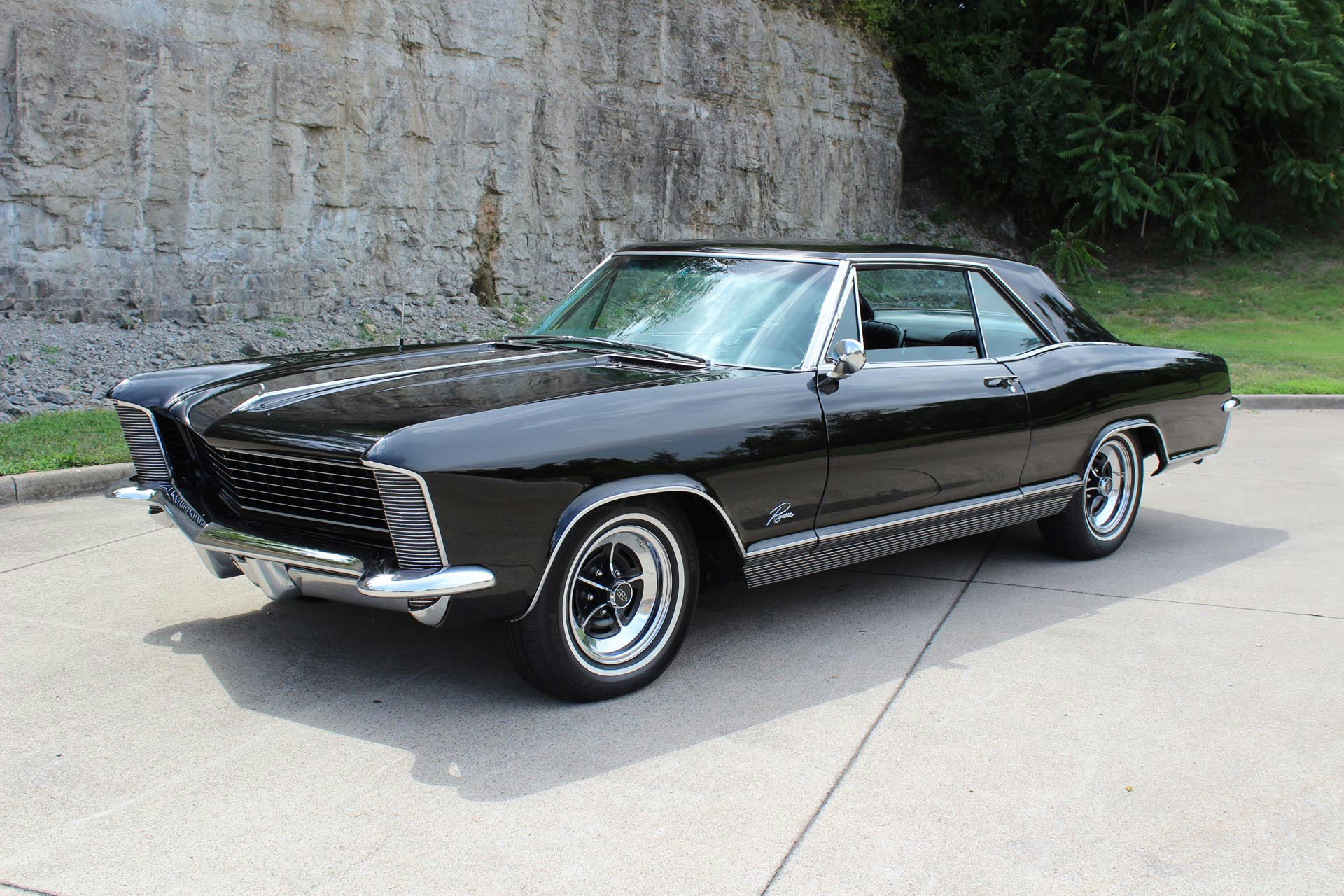
The Buick Riviera models from 1963 to 1965 represent a quintessential blend of American luxury and performance, marking a significant era in automotive history. Originally introduced as a response to the personal luxury car market, these models quickly garnered acclaim for their distinctive styling, which featured a sleek, yet bold look that remains iconic. Designed by Bill Mitchell, the Riviera boasted a unique, shark-nosed front and a tapered tail, characteristics that set it apart from its contemporaries. Under the hood, these cars were equipped with powerful V8 engines, offering impressive performance that appealed to enthusiasts and luxury car buyers alike. Interiors were equally luxurious, featuring high-quality materials and innovative designs. Over the years, the Riviera's reputation for elegance and performance has made it a desirable classic, attracting restorers who appreciate its historical significance. Understanding the intricacies of these models helps provide insight into the potential restoration costs and efforts involved.
Factors content
Original Condition and Extent of Deterioration
The initial state of the Buick Riviera significantly impacts restoration costs. A vehicle that is largely intact with minimal rust and body damage will require less investment than one with extensive rust, missing parts, or severe bodywork issues. Assessing the car's condition helps determine the scope of work needed, influencing both parts and labor expenses.
Availability and Cost of Parts
The availability of authentic parts for 1963-1965 Buick Riviera models plays a crucial role in restoration costs. Original parts can be rare and expensive, affecting the budget for restoration. In some cases, sourcing refurbished or reproduction parts may be necessary, each with varying costs.
Restoration Level Desired
The degree of restoration desired, whether a basic functional restoration, a partial renovation, or a full concours-level restoration, will significantly influence costs. A high-level restoration aimed at returning the car to its original showroom condition will generally require more resources, time, and expertise, increasing overall expenses.
Labor Costs and Expertise
The cost of labor is another critical factor. Prices can vary widely based on the shop's expertise, location, and reputation. Specialized restoration experts may charge more for their skill and experience, which often results in a higher quality restoration.
Paint and Finish Quality
The choice of paint and finish can greatly impact restoration costs. Premium paints and finishes that match the original specifications of the 1963-1965 Buick Riviera will cost more, but will also enhance value. The quality of the paint job contributes to both the aesthetic appeal and resale value of the car.
Levels Content
Concours Restoration
- This is the highest level of restoration, aimed at returning the Buick Riviera to its original factory condition.
- Every component is scrutinized for authenticity, using original or identical materials.
- Extensive research and sourcing of period-correct parts require a significant investment of time and money.
- Often pursued for classic car shows or competitions.
Show Quality Restoration
- Focuses on achieving near-perfect aesthetic and mechanical function without insisting on absolute originality.
- High-quality materials and finishes are used, but modern replacements may be incorporated for durability or safety.
- Costs are high, though typically less than concours restorations.
- Ideal for those who wish to drive their Riviera occasionally while maintaining a show-stopping appearance.
Driver Restoration
- Aimed at making the vehicle reliable and enjoyable to drive with less concern about originality.
- Mechanical systems are refurbished, and the interior and exterior are improved, but not necessarily to showroom standards.
- Balances cost with usability, often incorporating updated technology for convenience.
- Most cost-effective option for enthusiasts who want an aesthetically pleasing yet functional classic car.
Survivor Preservation
- Focuses on preserving the vehicle in its current state, maintaining as much originality as possible.
- Minor repairs are made to ensure safety and basic functionality while patina and original parts are retained.
- Appeals to purists who value authenticity over cosmetic perfection.
- Costs are generally lower, but skilled preservation work may still demand premium prices.
Cost breakdown content
Body and Paint Work
- Rust Repair: Repairing rust can range from $500 to $5,000 depending on the extent and location of the damage.
- Body Panel Replacement: Original or reproduction panels can cost between $1,500 and $4,000, including labor.
- Paint Job: A quality paint job, resembling the original finish, can range from $3,000 to $10,000.
- Chrome and Trim Restoration: Re-chroming bumpers and trim could add around $1,000 to $4,000.
Interior Restoration
- Seat Upholstery: Restoring original seats with period-correct materials can cost $1,500 to $3,500.
- Dash and Instrumentation: Restoring or replacing the dash components and gauges might run $800 to $2,500.
- Carpeting and Headliner: Installing new carpets and headliner consistent with original specifications may cost $600 to $1,500.
- Door Panels and Trim: Replacing or refurbishing these parts could cost $500 to $1,500.
Mechanical Components
- Engine Overhaul: Rebuilding the original engine may cost from $2,500 to $6,000.
- Transmission Rebuild: Restoring the transmission to original specs might be $1,500 to $3,000.
- Brake and Suspension Repair: This could add another $800 to $2,500 for restoring or replacing these parts.
- Exhaust System: Installing a period-correct exhaust system may cost $600 to $1,500.
Electrical and Accessories
- Wiring Harness Replacement: Replacing the entire wiring harness may run $800 to $2,000.
- Lighting and Electrical Components: Restoration of lighting and electrical components can cost $500 to $1,500.
- Accessory Restoration: This includes components like radio restoration, power windows, and other electrics, totaling $500 to $3,000.
Total Estimated Cost
The overall restoration cost for a 1963–1965 Buick Riviera can vary greatly based on the vehicle's condition and the level of detail desired. On average, comprehensive restoration costs could range from $15,000 to $50,000, including both parts and labor.
Tips content
Research and Source Parts Carefully
- Use online forums and Buick enthusiast groups to find recommendations for reliable parts suppliers.
- Consider purchasing parts from reputable online marketplaces where buyers can rate sellers, which ensures you’re getting quality replacements.
- Check for used parts that can be refinished, as they often cost less than new parts but still offer the same level of quality after refurbishment.
DIY Where Possible
- Invest in a high-quality repair manual specific to the Buick Riviera 1963–1965 models to guide your restoration efforts.
- Tackle simpler tasks such as cleaning, painting, and minor upholstery work yourself to cut down on labor costs.
- Consider taking a restoration workshop or online course to learn valuable skills that can save you money on professional labor.
Seek out Specialists
- Identify and consult specialists who have experience with Buick Riviera models; they can often perform tasks more efficiently and correctly, avoiding costly mistakes.
- Request bundled service deals, where a specialist might offer a discount for taking on several restoration tasks at once.
Plan and Budget Thoroughly
- Prioritize restoration tasks that affect the car’s functionality over cosmetic improvements, ensuring the vehicle runs well before focusing on aesthetics.
- Create a detailed and realistic budget to avoid overspending, allowing for unexpected costs that often arise during restoration.
Join a Car Club
- Network within local or national Buick clubs for advice, parts sharing, and sometimes discounted services from businesses partnered with the clubs.
- Leverage group resources, such as shared tool rentals, which can substantially reduce equipment costs.
Value content
Value After Restoration
Restoring a Buick Riviera from 1963 to 1965 can be a fulfilling venture both financially and personally. Evaluating the potential return on investment is essential for enthusiasts and investors alike. A restoration can significantly enhance the car's market value, but understanding the initial costs and market dynamics can provide a clearer picture of the probable financial outcome.
One of the key factors that influence the return on investment is the car's post-restoration value in the classic car market. A professionally restored 1963-1965 Buick Riviera, with attention to authenticity and detail, can fetch between $40,000 and $70,000 at auction or private sale, depending on its condition and provenance. For models with rare options or exceptional original documentation, prices can even exceed this range, reaching up to $80,000.
However, the ROI also depends heavily on the amount invested in the restoration process:
- **Acquisition Costs**: Initially purchasing a non-restored 1963-1965 Buick Riviera generally ranges from $5,000 for projects in need of extensive work to $20,000 for those in better condition.
- **Restoration Costs**: High-quality restorations can span from $20,000 to $50,000. This includes bodywork, interior refurbishments, mechanical restorations, and sourcing original or reproduction parts.
- **Miscellaneous Expenses**: Additional costs such as transportation, administrative fees, and any restoration surprises can add an extra $5,000 to $10,000.
Thus, a reasonably priced total investment could range from $30,000 to $80,000. With a restored value commonly peaking at $70,000, and in premium instances $80,000, the ROI might vary. For instance, investing $50,000 and subsequently selling the car for $70,000 yields a gross ROI of $20,000. Still, enthusiasts often find value beyond the monetary return, cherishing the craftsmanship, the sheer joy of owning a piece of automotive history, and participating in car shows and events.
Ultimately, determining the value after restoration includes both tangible financial returns and intangible personal satisfaction. The market value for restored Buick Rivieras, coupled with their rarity and cultural appeal, makes them a cherished cornerstone in classic car collecting.