Buick GSX Restoration Costs: 1970 Models
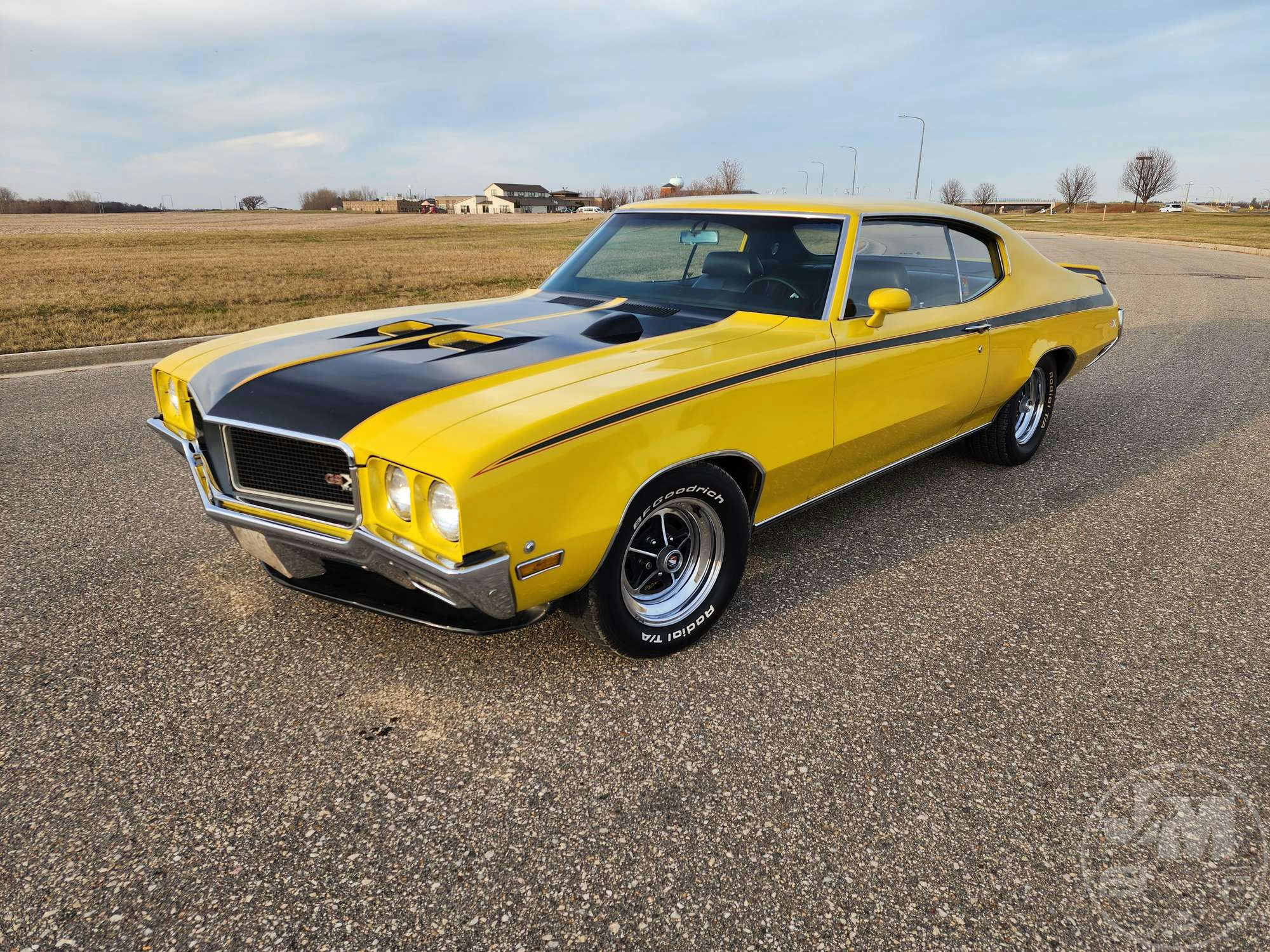
The Buick GSX from 1970 is a classic American muscle car renowned for its powerful performance and distinctive styling. Launched as a performance and appearance package for the Buick Skylark, the GSX…
- Restoration Title
- Value of Buick GSX 1970 After Restoration
Overview
The Buick GSX from 1970 is a classic American muscle car renowned for its powerful performance and distinctive styling. Launched as a performance and appearance package for the Buick Skylark, the GSX featured either a 455 cubic inch V8 engine in its standard form, boasting impressive horsepower. The model was available in two striking colors: Saturn Yellow and Apollo White, each with bold black accent stripes and a rear spoiler, lending it an unmistakable presence. The GSX stood out with its unique suspension tuning and performance-enhancing features, embodying the pinnacle of Buick's muscle car innovation. Its limited production run, with fewer than 700 units made, has elevated it to a sought-after classic among enthusiasts today. The combination of high demand and historical significance contributes to substantial restoration costs, as maintaining authenticity and sourcing rare parts can be a challenge for restorers aiming to preserve this iconic vehicle's legacy.
Factors content
Original Condition of the Vehicle
The initial state of the Buick GSX significantly impacts restoration costs. If you have a well-maintained or mostly intact car, the expenses will generally be lower. Conversely, a rusted or heavily damaged GSX will require more resources to restore, increasing the cost substantially.
Availability of Original Parts
Sourcing original or replica parts for a 1970 Buick GSX can be challenging and costly. Factors such as rarity, part condition, and vendor pricing all play a role in determining cost. Reproduction parts might be more readily available but could impact the authenticity and overall value of the restoration.
Labor and Expertise Required
The complexity of restoring a vintage vehicle like the 1970 Buick GSX demands skilled labor, which can be expensive. The level of expertise required will depend on the restoration scope, such as engine rebuilding, bodywork, or interior refurbishment, all contributing to the overall cost.
Extent of Restoration
Restoration levels can range from cosmetic touch-ups to comprehensive frame-off restorations. Each level entails different costs, with a complete restoration being the most expensive due to the extent of disassembly and meticulous attention to detail required.
Time Investment
Time is another crucial factor influencing costs. A project stretched over a longer period may incur additional costs, like storage fees or fluctuating part prices. Speedy restorations usually mean higher labor costs to meet tight deadlines.
Location and Resource Availability
Geographical location can significantly affect restoration costs. Areas with a higher concentration of skilled restoration shops or Buick GSX specialists might offer competitive pricing, while remote areas may incur higher transportation and logistics costs.
Levels Content
Concourse-Level Restoration
- This is the most meticulous level of restoration, aiming to return the vehicle to factory condition.
- Requires authentic parts and original specifications, demanding high expertise.
- Costs are highest, ranging from $80,000 to $150,000 or more, depending on the vehicle's initial condition.
Show-Quality Restoration
- Focuses on aesthetic perfection for show purposes, with attention to both exterior and interior details.
- May involve some custom enhancements but maintains a high standard of authenticity.
- Typically ranges from $50,000 to $100,000 in costs.
Driver Restoration
- Aims for functionality and aesthetic appeal for regular use rather than show.
- Uses aftermarket parts where necessary, focusing more on reliability and less on originality.
- Costs are more moderate, usually between $20,000 and $50,000.
Partial Restoration
- Targets specific areas of the car, such as the engine, interior, or bodywork, rather than the entire vehicle.
- Ideal for owners looking to address critical issues without a full overhaul.
- Costs vary widely based on the scope of work; typically from $5,000 to $25,000.
Cost breakdown content
Exterior Restoration
Restoring the exterior of a 1970 Buick GSX is a significant part of the process, as it contributes to the car's iconic appearance. The costs vary depending on the car's current condition and level of deterioration. Key components include:
- Paint Job: High-quality paint, including the popular Saturn Yellow or Apollo White, can cost between $5,000 to $10,000. The price can increase if bodywork or rust repair is needed prior to painting.
- Body Panels: Replacement or repair of panels, such as fenders, doors, and quarter panels, may cost $2,000 to $5,000.
- Trim and Chrome: Replacing or re-chroming bumpers, window trim, and emblems might range from $1,000 to $3,000.
- Glass Replacement: Replacing the windshield and other glass can cost about $500 to $1,200.
Interior Restoration
The interior restoration of a 1970 Buick GSX can be just as complex and costly as the exterior. Key interior components include:
- Upholstery: Restoring seats, door panels, and headliner with original materials could cost between $2,000 to $4,000.
- Carpet Replacement: Installing new carpets may cost around $500 to $1,000.
- Dashboard and Instruments: Restoring or replacing the dashboard and repairing instruments can cost $1,000 to $2,000.
- Sound System: Installing a new, period-authentic sound system might cost $500 to $1,500.
Mechanical Restoration
The mechanical components of a 1970 Buick GSX are crucial for its performance. A thorough restoration can ensure reliability and increase value. Key components include:
- Engine Rebuild: A comprehensive engine rebuild can cost $3,000 to $7,000, depending on the level of work required.
- Transmission Overhaul: Rebuilding or replacing the transmission might cost $1,500 to $3,500.
- Suspension and Steering: Restoring the suspension and steering systems may cost between $2,000 and $3,000.
- Brakes: Replacing or upgrading brake components can cost $1,000 to $2,000.
- Exhaust System: A new exhaust system, including headers and mufflers, may cost $700 to $1,500.
Electrical System Restoration
Ensuring that the electrical systems are up-to-date and functional is important. Costs can include:
- Wiring Harness: A new wiring harness can cost around $1,000 to $2,000.
- Battery and Charging System: Replacing the battery and alternator might cost $300 to $600.
- Lighting: Replacing headlights, taillights, and other lighting components may cost $200 to $500.
Miscellaneous Costs
Other associated costs during a restoration can include:
- Tires and Wheels: New tires and restored or new wheels could cost $800 to $2,000.
- Detailing and Finishing: Professional detailing to achieve a show-quality finish might range from $500 to $1,000.
- Labor Costs: Depending on the shop and location, labor can add $8,000 to $15,000 to the total restoration bill.
Approximate Total Cost
The total cost for a full restoration of a 1970 Buick GSX typically ranges from $30,000 to $70,000, depending on the initial condition of the car and the extent of restoration desired.
Tips content
Research and Source Parts Carefully
- Start by identifying local salvage yards that might have the parts you need. Pre-owned components often cost less than new ones.
- Use online forums and Buick GSX enthusiast groups to find recommendations for reliable suppliers.
- Consider buying parts in bulk from dealerships or specialized providers, as they might offer discounts.
DIY Where Possible
- Tackle simpler tasks yourself such as cleaning, simple bodywork, or interior refurbishment. This can save a significant amount on labor costs.
- Invest in a comprehensive repair manual specific to the 1970 Buick GSX to guide your DIY efforts effectively.
- Watch video tutorials and attend workshops; learning new skills can significantly cut down on expenses.
Prioritize Restoration Tasks
- Make a list of necessary repairs and tackle the most crucial and cost-effective ones first to ensure the car is functional.
- Manage cosmetic enhancements over time once essential mechanical repairs are completed.
- Set a budget for each restoration phase to prevent overspending.
Reuse and Recondition Existing Parts
- Determine which parts can be refurbished rather than replaced to maintain authenticity and save money.
- Contact professionals who specialize in reconditioning to restore these parts to their original condition.
- Take advantage of kits available for refurbishing components like carburetors and brakes.
Network with Fellow Enthusiasts
- Join local and online Buick clubs to meet other GSX owners who may offer advice, support, or even discounts on parts and services.
- Attend car shows and swap meets to find enthusiasts selling parts or tools at lower prices.
- Leverage community knowledge and even borrow specialized tools to minimize costs.
Consider Professional Evaluations and Consultations
- Pay for a professional assessment to understand the depth of restoration needed and avoid unnecessary work.
- Consult with restoration experts before making major decisions to prevent mistakes that could lead to costly fixes later.
- Compare quotes from multiple professionals to ensure you're getting quality service at a fair price.
Value content
Understanding the Market Value of a Restored 1970 Buick GSX
Restoring a 1970 Buick GSX is not just about bringing back a classic muscle car to its former glory, but it's also a significant financial investment. The value of a fully restored Buick GSX depends on several factors, including the quality of the restoration, originality, and the market demand for classic cars.
A well-executed restoration can significantly enhance the car's market value. Historically, fully restored 1970 Buick GSX models have sold anywhere from $80,000 to $125,000 at auctions and to private collectors. The variation in price is influenced by the originality and authenticity of the restored vehicle. Models retain their original engine, color schemes, and interiors often attract higher valuations.
Evaluating the Return on Investment (ROI)
When considering the return on investment for restoring a 1970 Buick GSX, it is essential to account for the restoration costs, which can range from $40,000 to $60,000 on average. This includes parts, labor, and other expenses necessary to bring the vehicle back to show-quality condition.
Given the potential market value, owners and restorers could expect a substantial return. For instance, if an investor spends $50,000 on a high-quality restoration and sells the car for $100,000, the profit would be $50,000. This results in a 100% ROI, assuming there are no additional costs involved. However, to achieve such returns, the restoration must be performed to the highest standards and appeal to collectors looking for authenticity and quality.
Bear in mind, the value of classic cars can fluctuate due to market trends, economic conditions, and the popularity of certain models at any given time. Therefore, while restoration can be highly lucrative, it also carries inherent risks, and profitability is not guaranteed.
Conclusion: Balancing Passion and Investment
For enthusiasts and investors alike, restoring a 1970 Buick GSX is a passion-driven project that can yield significant financial returns. However, it requires careful evaluation of restoration costs and market conditions. By focusing on authenticity and quality, restorers can maximize the vehicle’s value post-restoration, potentially enjoying a satisfactory ROI while contributing to preserving automotive history.