AMC Javelin Restoration Costs: 1968–1974 Models
The AMC Javelin , produced from 1968 to 1974 , stands as a notable example of American muscle cars from the late 1960s to early 1970s. Designed by the American Motors Corporation , the Javelin was a …
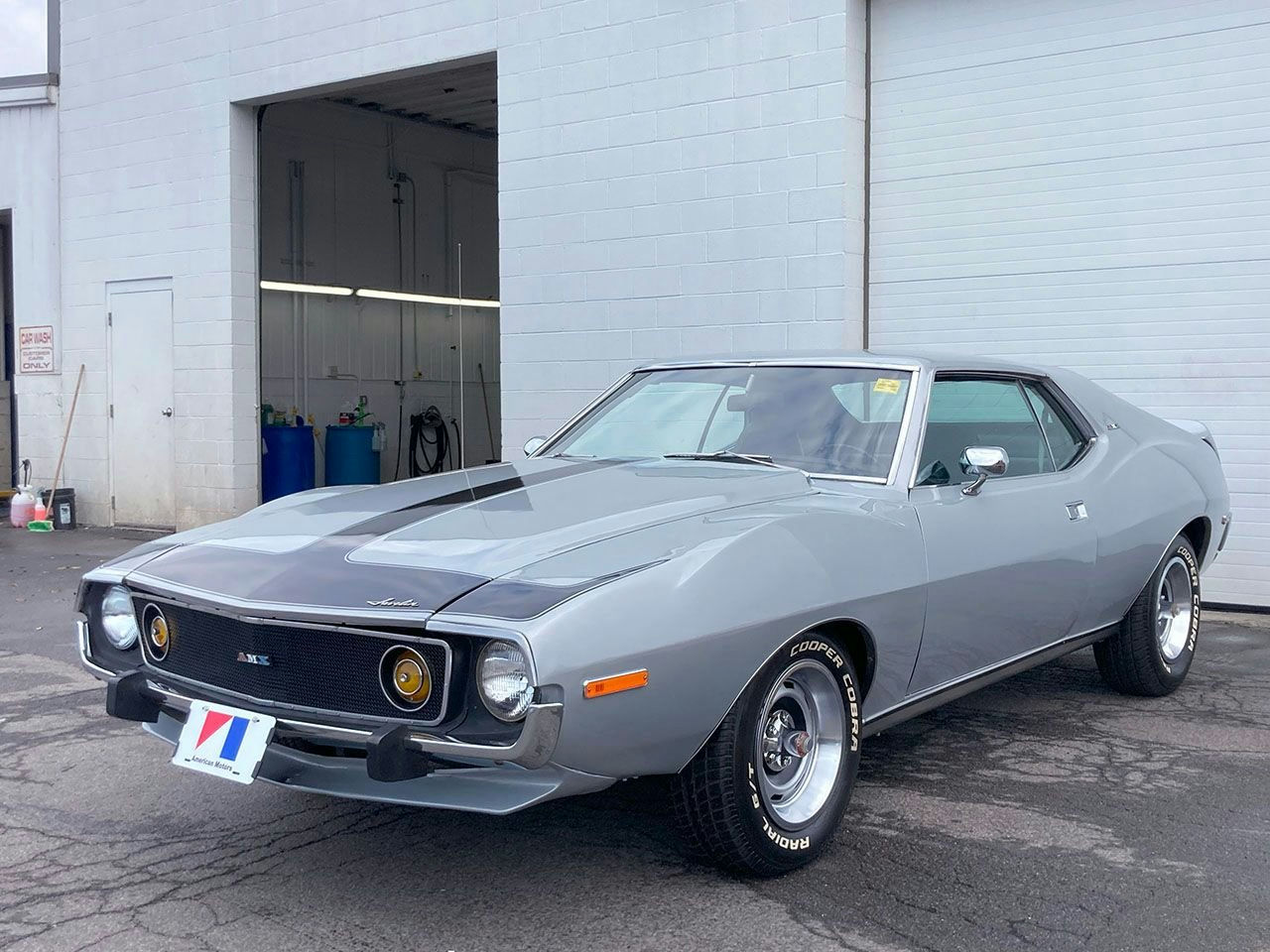
Restoration Title: Value of AMC Javelin 1968–1974 After Restoration
Overview
The AMC Javelin, produced from 1968 to 1974, stands as a notable example of American muscle cars from the late 1960s to early 1970s. Designed by the American Motors Corporation, the Javelin was a response to the growing demand for high-performance vehicles among driving enthusiasts. Known for its bold styling and robust V8 engines, the Javelin competed against popular contemporaries like the Ford Mustang and Chevrolet Camaro. Over its production span, the Javelin saw various modifications, with significant redesigns in 1971 to enhance both performance and safety features. Models from this timeline highlight distinct characteristics, such as the AMX variant, known for its superior acceleration and handling. Today, the Javelin's blend of historical significance and aesthetic appeal makes it a compelling candidate for restoration projects, as car enthusiasts seek to reclaim the full glory of this classic vehicle and understand the associated restoration costs.
Join the AutoFame community. Become a member for free, add your car to the garage and tell its story. Join AutoFame.
Factors content
Availability of Parts
The scarcity or abundance of original parts heavily impacts cost.
Reproductions may be cheaper and more accessible, but genuine parts often retain higher value.
Shipping costs for rare parts can also add to the expense.
Condition of the Vehicle
The initial condition determines the extent of restoration work needed.
Rust and structural damage require more time and financial investment.
Vehicles with good bones may only need cosmetic work, reducing costs.
Level of Restoration Desired
Cost varies based on whether a full restoration or partial is undertaken.
Concours-level restorations require higher quality materials and craftsmanship.
Driver-quality restorations are typically less expensive but less detailed.
Labor Costs
Professional rates can fluctuate based on expertise and complexity of work.
Geographical location often influences labor prices significantly.
DIY projects may reduce costs but increase time investment and need for skill.
Paint and Finish
Painting can be a significant cost factor due to materials and labor.
Original or specialty paint colors typically elevate costs.
Quality of paint application affects both cost and final appearance.
Market Trends
Popular models or trends can drive costs up due to increased demand.
Fluctuations in the collector car market can create price variations.
Restoration during peak seasons may incur higher expenses.
Levels Content
Concours Restoration
This is the most exhaustive and expensive level of restoration.
Entails bringing the vehicle to a condition as close to factory standards as possible.
Restoration covers every aspect, from bodywork and paint to interiors and mechanical components.
Involves sourcing original or high-quality replica parts for authenticity.
Show Quality Restoration
A step below concours but still a high level of detail and craftsmanship.
Focuses on aesthetic appeal and overall condition suitable for car shows.
May include some modern upgrades for reliability and performance.
Costs are still relatively high due to the quality of materials used.
Driver Restoration
Concentrates on making the car reliable and roadworthy without focusing on original specifications.
Ideal for individuals who wish to enjoy the car regularly rather than just display it.
Typically involves mechanical repairs and basic interior and exterior work.
This level is more budget-friendly compared to higher-end restorations.
Survivor Restoration
Focuses on preserving the vehicle's originality rather than full restoration.
Repairs are made only as necessary to preserve the car's original components.
Commonly chosen for vehicles in relatively good original condition.
Costs can vary widely depending on the car's starting condition.
Cost breakdown content
Bodywork and Paint
Restoring the bodywork of a 1968–1974 AMC Javelin requires attention to detail and quality craftsmanship. The cost of addressing rust and dents can range from $1,000 to $5,000, depending on the severity and location of the damage. Sanding down old paint and preparing the car for a fresh coat typically costs an additional $1,000 to $3,000. Quality paint jobs, which include multiple coats and high-quality finishes, range from $3,000 to $10,000.
Engine and Transmission
Rebuilding or replacing the engine is a significant part of the restoration process. A complete engine rebuild costs anywhere from $2,500 to $4,000, whereas purchasing a reconditioned engine can cost between $4,000 and $7,000. Transmission repair or replacement adds another $1,500 to $3,000. Add an extra $500 to $1,500 for tuning and calibration to ensure optimum performance.
Interior Restoration
Restoring the interior involves replacing upholstery, dashboard components, and other interior finishes. New seat covers, carpet, and interior panels typically cost between $1,500 and $3,000. Restoring or replacing the dashboard and gauges adds another $500 to $1,000. Additional enhancements, like replacing or repairing the steering wheel and interior trim, can cost $200 to $1,000.
Suspension and Steering
The suspension and steering components must be overhauled to ensure a smooth and safe ride. Replacing shocks and springs can range from $400 to $1,200. Repairing or replacing steering components can cost an additional $500 to $1,500. Alignment and fine-tuning for optimal handling usually runs around $100 to $300.
Brakes and Wheels
Braking systems need to be fully restored or replaced, which for AMC Javelin models could range from $500 to $2,000. Wheel refurbishment or replacement often costs $500 to $1,000, while tires and balancing incur another $400 to $800.
Electrical Components
Replacing or refurbishing electrical components such as wiring, lights, and the battery is crucial. Rewiring the car can cost between $1,000 and $3,000, while replacing lights and other smaller electrical components can add another $200 to $800.
Miscellaneous Costs
Miscellaneous costs can include badges, emblems, and other finishing touches and can range from $300 to $1,000. Additional costs may involve tool purchases, professional labor, and unforeseen repairs, usually adding another 10% to 20% to the total restoration cost.
Overall, a comprehensive restoration of a 1968–1974 AMC Javelin typically ranges from $15,000 to $40,000, depending on the initial condition of the car and the level of detail desired.
Tips content
1. Plan Ahead and Research Thoroughly
Start by creating a detailed restoration plan, outlining every part and process required for your AMC Javelin. This allows you to anticipate costs and allocate your budget effectively.
Consult forums, vintage car clubs, and online communities to gather insights about common restoration challenges and budget-friendly solutions.
Price check parts across multiple vendors and online marketplaces to ensure you're getting the best deals possible.
2. Perform DIY Repairs Where Possible
Consider taking on simple restoration tasks yourself, such as cleaning, rust removal, or replacing easier components like hoses or belts.
Invest in a service manual for your Javelin model to guide you through do-it-yourself repairs safely.
Utilize online tutorials and videos which provide a step-by-step breakdown of various DIY tasks.
3. Source Parts from Salvage Yards
Search for needed parts in auto salvage yards and scrap dealers, as they often have rare and discontinued components at a fraction of retail prices.
Network with members of car clubs who may have spare parts or know of reliable sources for difficult-to-find components.
Have a car with a story like this? Become an AutoFame member and share it with people who love cars as much as you do.
4. Group Purchases with Other Enthusiasts
Coordinate with fellow AMC Javelin enthusiasts for bulk purchases of common parts, reducing shipping costs and potentially qualifying for bulk discounts.
Share tools and equipment with community members or friends to curb expenses on special tools rarely used after the restoration process.
5. Prioritize Restoration Work
Address essential mechanical issues before cosmetic details to avoid overextending your budget on non-essential elements.
Break the project into manageable phases, aligning your restoration efforts with your available budget and time.
6. Opt for Quality Used Parts
Whenever new parts are not crucial, consider purchasing high-quality used parts which can often be refurbished or reconditioned to meet your restoration standards.
Ensure any used parts are sourced from reputable sellers with reviews or references attesting to their reliability.
7. Regularly Evaluate Your Budget
Keep track of all expenditures and periodically review your budget to adjust and reallocate funds where needed throughout the restoration project.
Be flexible with timelines and expectations to avoid hasty purchases that could exceed your budget.
Value content
Potential Return on Investment (ROI)
When considering the restoration of an AMC Javelin from the 1968–1974 era, it's important to weigh the costs against potential returns. The ROI for restoring a classic car like the AMC Javelin can vary widely based on several factors, including the car’s initial condition, the quality of the restoration work, and market demand. On average, a comprehensive restoration on an AMC Javelin can range from $15,000 to $40,000, depending on whether you are prioritizing authenticity with original parts or opting for cost-effective alternatives.
Given the increasing interest in classic cars, there has been a noticeable rise in the value of restored AMC Javelins. Well-restored models, especially those with unique features or rare trims, have been seen selling at auction and private sales for between $25,000 and $50,000. Hence, if you manage your restoration process efficiently, there's the potential not just to recover your investment but to also make a profit.
Factors Affecting Market Value
The market value of a restored AMC Javelin is influenced by several factors worth considering:
Model Year and Trim: Certain years and trim levels are more desirable to collectors. For example, the AMC Javelin AMX models from 1971 and 1972 are often more sought after.
Originality: Cars with a high number of original parts or those restored to factory specifications tend to command higher prices.
Documentation and Provenance: Vehicles with a known history, original paperwork, and well-documented restoration processes generally have a higher market value.
Color and Options: Factory-original rare colors and options can significantly enhance the car's appeal and value.
By restoring an AMC Javelin with careful attention to these considerations, the restoration can often lead to a favorable market value that offers a solid ROI for enthusiasts and investors alike.
Conclusion
Restoring a 1968–1974 AMC Javelin requires thorough planning, detailing, and resource allocation to ensure both authenticity and financial viability. While costs can range from $15,000 to $40,000, strategic planning and resource management can streamline the restoration process, enhancing the potential for both personal satisfaction and financial return. By leveraging factors such as part availability, restoration level, and market trends, enthusiasts can effectively revive these classic cars to their original glory. Successfully restored Javelins not only reflect a dedication to preserving automotive history but also offer promising returns in the collector's market, particularly for models with unique features or high originality.
About AutoFame
AutoFame is a home for people who love cars and the stories behind them. Every car on a show field or in a garage has a history: who built it, who saved it, the road trips, the late nights in the shop and the people who helped along the way. AutoFame gives those stories a place to live, so they are not lost when the hood closes or the car changes hands.
Membership is free. Once you join, you can add your car to your own AutoFame garage with photos, specs and the story only you can tell. Restorations, survivors, daily drivers, race cars and family heirlooms all belong here. Other members can find your car, follow its progress and connect with you over the details that matter to car people.
Beyond member garages, AutoFame publishes stories, guides and features on the cars, builders and history that shape car culture. You will find buying and restoration guides, car parts explainers, special editions, the newest models and the classics that started it all. The AutoFame Gallery puts member cars on display for anyone to browse, and the AutoFame YouTube channel adds owner interviews, show highlights and the conversations that happen around a good car.
AutoFame is also built for the people who run car shows. Organizers use it to manage entries and judging, and judges score each car category by category on their phones, with a written guide for every category so nothing gets skipped. After a judged show, owners can see what their car was scored on and how it compared. Shows across the Texas Gulf Coast have run on AutoFame, including the Moody Gardens Car Show in Galveston, Good Grub and Gears, and Keels and Wheels at Lakewood Yacht Club.
AutoFame was founded by Kevin Brady, whose own life in cars began long before he started building tools for the hobby. The idea is simple: the people who love these cars should have one place to share them, learn from each other and keep the stories going.
Whether you own a show winner, a project that is still in pieces or simply love reading about great cars, there is room for you here.
Be part of the AutoFame community. Join free and become a member today.