Alfa Romeo Spider Restoration Costs: 1966–1993 Models
The Alfa Romeo Spider , produced from 1966 to 1993 , remains an icon of Italian automotive design and engineering. Initially launched as the "Duetto," this two-seater convertible has captiv…
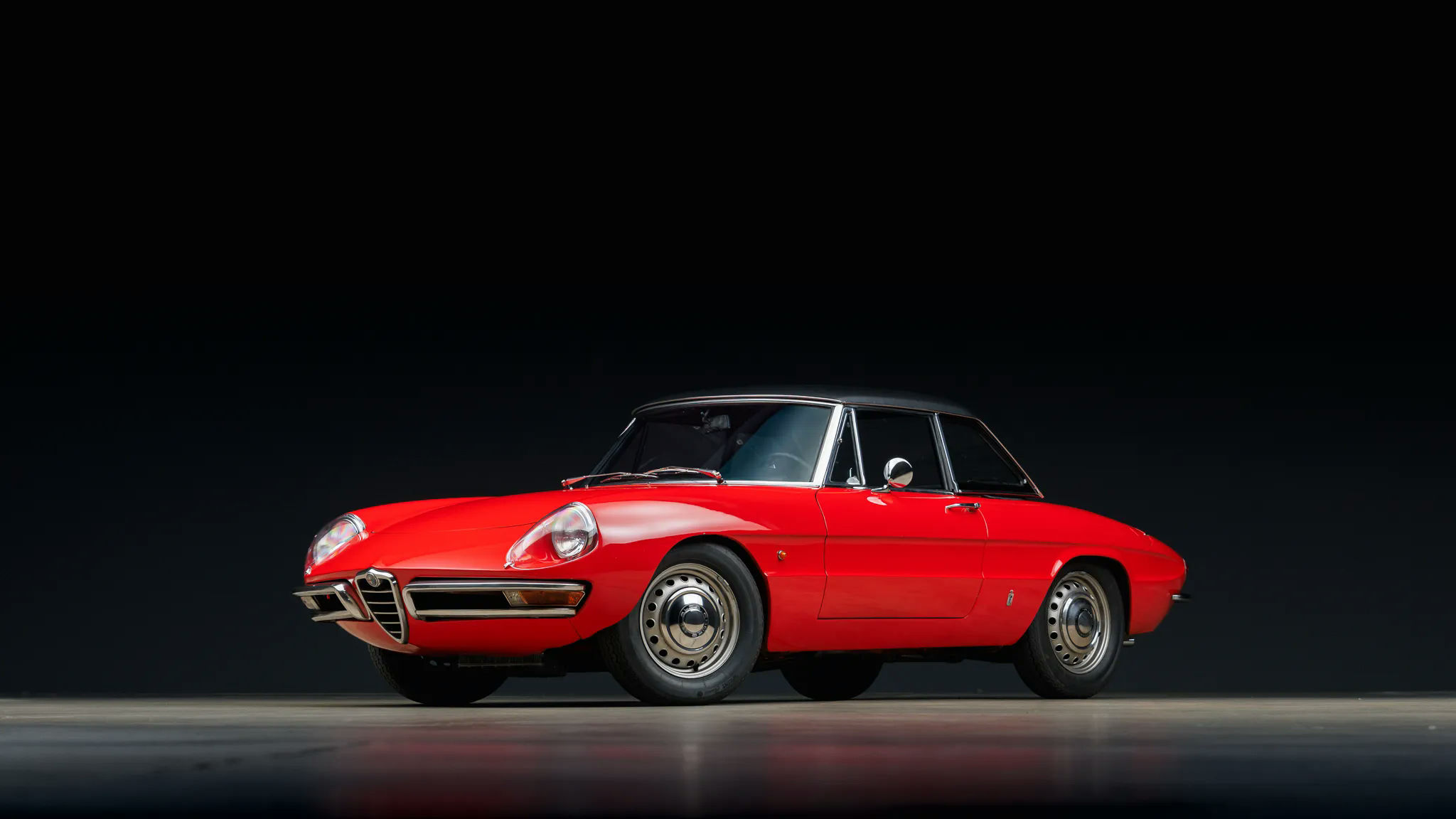
- Restoration Title
- Value of Alfa Romeo Spider 1966–1993 After Restoration
Overview
The Alfa Romeo Spider, produced from 1966 to 1993, remains an icon of Italian automotive design and engineering. Initially launched as the "Duetto," this two-seater convertible has captivated enthusiasts with its timeless design, spirited performance, and the emotional driving experience it delivers. Its rich history is marked by distinctive series like the Boat Tail, Kamm Tail, Aerodynamic Tail, and others, each denoted by unique styling cues and mechanical evolutions. Over its 27-year production span, the Spider adopted various engine configurations and technological advancements, from carbureted four-cylinder engines to fuel-injected variants. Given its age and varied models, restoring a Spider involves addressing mechanical components, bodywork, and interior elements. Understanding the nuances of each series is crucial, as it directly impacts the availability of parts and labor involved, significantly influencing restoration costs. This enduring classic, with its rich heritage, continues to allure collectors and enthusiasts worldwide.
Factors content
Condition of the Vehicle
- Initial condition is a significant determinant of restoration costs. A vehicle needing extensive bodywork or engine rebuilds will be more expensive to restore.
- Rust is a common issue in these models, especially in the floor panels and rocker panels, influencing the expense dramatically based on severity.
Originality and Authenticity
- Finding original or authentic replacement parts can be costly, with specific components requiring sourcing from specialty suppliers or auctions.
- Restoring to a factory specification versus a modified version greatly affects costs; maintaining originality is usually more expensive.
Labor Costs and Expertise
- Hiring a specialist experienced with Alfa Romeo vehicles is advisable, though more costly than using a general mechanic.
- Geographical location will also impact labor costs, as prices can vary significantly between regions.
Scope of Restoration
- Deciding between a full restoration (including mechanical, interior, and exterior) versus a partial restoration will dramatically influence the cost.
- Additional custom or performance upgrades can increase costs further.
Availability of Parts
- The rarity of some Alfa Romeo Spider parts can pose challenges, with scarcity increasing prices.
- Some parts might need to be specially fabricated if replacements are unavailable, adding to the expense.
Levels Content
Concours Restoration
- Involves restoring the vehicle to show-quality condition.
- Focus on original factory specifications with authentic parts.
- Requires significant time, expertise, and financial investment.
- Ideal for collectors aiming to display or compete in car shows.
Comprehensive Restoration
- Balances originality with functional upgrades.
- Addresses mechanical, body, and interior restoration.
- May involve using high-quality replica parts for reliability.
- Suitable for enthusiasts who want a stunning yet drivable classic.
Driver Restoration
- Focuses on restoring the vehicle for regular use and enjoyment.
- Emphasizes mechanical reliability over cosmetic perfection.
- Uses a mix of original and aftermarket parts.
- A cost-effective approach for those prioritizing experience over show quality.
Basic Restoration
- Involves essential repairs and maintenance to get the car roadworthy.
- Minimal focus on aesthetics and originality.
- Often the starting point for future, more extensive restorations.
- Best for owners with limited budgets or time constraints.
Cost breakdown content
1. Initial Assessment and Planning
- Comprehensive Vehicle Inspection: $150 - $300
- Restoration Plan Creation: $100 - $200
- Documentation and Research: $50 - $100
2. Bodywork and Paint
- Rust Repair and Metalwork: $1,000 - $3,000
- Paint Stripping and Primer Application: $1,000 - $2,500
- Professional Paint Job: $3,000 - $7,000
- Body Panel Replacement (if necessary): $500 - $1,500 per panel
3. Interior Restoration
- Seat Reupholstery: $1,000 - $2,000
- Dashboard Repair or Replacement: $500 - $1,200
- Carpet Replacement: $400 - $800
- Interior Trim and Detailing: $200 - $600
4. Engine and Mechanical Systems
- Engine Overhaul or Replacement: $3,000 - $7,000
- Transmission Rebuild or Replacement: $1,500 - $3,500
- Brake System Overhaul: $500 - $1,500
- Suspension and Steering Repair: $600 - $1,200
- Cooling System Repair: $300 - $800
5. Electrical and Wiring
- Electrical System Inspection and Repair: $300 - $700
- Battery and Starter Replacement: $150 - $400
- Wiring Harness Replacement: $500 - $1,500
6. Exterior Components
- Chrome Plating and Trim Restoration: $500 - $1,500
- Lighting and Signal Systems: $200 - $600
- Windshield Replacement: $200 - $400
7. Wheels and Tires
- Wheel Refurbishment: $300 - $600
- New Tires: $400 - $800
- Alignment and Balancing: $80 - $200
8. Miscellaneous Costs
- Parts Sourcing and Shipping: $500 - $1,000
- Unexpected Repairs and Contingency Budget: $1,000 - $2,000
Approximate Total Cost Range: $13,430 - $39,400
Tips content
Buy Parts in Bulk
- Consider purchasing commonly used parts such as filters, spark plugs, and brake pads in bulk to save on both the cost and shipping fees.
- Collaborate with fellow Alfa Romeo enthusiasts to split bulk purchases of expensive parts.
Source Used Parts
- Visit online forums and marketplaces where enthusiasts sell quality used parts at a fraction of the cost of new ones.
- Local salvage yards can be a gold mine for hard-to-find components.
DIY Where Possible
- Learn to perform simple restoration tasks such as painting, upholstery repair, or basic mechanical work through online tutorials and guides.
- Invest in a good repair manual specific to your model year to guide your DIY efforts.
Choose the Right Vendor
- Comparison shop among several vendors to ensure you're getting the best price for necessary parts.
- Ask for recommendations and reputable suppliers from other collectors or Alfa Romeo clubs.
Schedule Smartly
- Plan your restoration during the off-peak seasons when labor rates are lower and parts might be discounted.
- Prioritize tasks to avoid unnecessary or redundant repairs that can add to costs.
Regular Maintenance and Inspection
- Keep up with regular maintenance to catch and resolve minor issues before they escalate into costly repairs.
- Routine inspection will help identify potential problems early, saving both time and money.
Value content
Value After Restoration
Restoring a classic Alfa Romeo Spider, spanning models from 1966 to 1993, can be an exhilarating project and a financially rewarding one if carefully managed. The market value for restored Alfa Romeos is dependent on factors such as the model year, condition before and after restoration, and the current demand within the classic car market.
Potential Return on Investment (ROI)
- Initial Investment:
Initial costs for acquiring a non-restored Alfa Romeo Spider can range from $5,000 to $15,000, depending on the current state of the car and the particular model year.- Restoration Costs:
Comprehensive restoration can cost anywhere between $20,000 and $60,000. This includes mechanical work, bodywork, interior refurbishment, and components repair or replacement.- Restoration Value Increment:
Post-restoration, an Alfa Romeo Spider's value can significantly increase, often ranging from $35,000 to $100,000. For some rare models, particularly those from the early years like a 1966 'Duetto,' prices can soar above $130,000 in pristine condition.
- Estimated ROI:
Depending on the quality of restoration and market conditions at the time of sale, the ROI can approximately range between 10% and 50%. For instance, investing a total amount of $30,000—$10,000 for purchase and $20,000 for restoration—could see a resale value of $45,000 to $60,000, implying a profit margin of $15,000 to $30,000.
Factors Affecting ROI
- Model Specific Demand:
Some models, like the 'Graduate' from the 1980s, experience higher demand due to pop culture references, which can drive up prices.- Attention to Detail:
The originality and attention to detail during restoration, including keeping original color schemes and using OEM parts, can positively impact resale value.- Current Market Trends:
The classic car market is subject to variations based on economic conditions and trends, influencing the selling price and profitability.
- Restoration Quality:
High-quality workmanship that honors the vehicle's authenticity will result in a higher valuation, attracting discerning collectors.
By carefully managing restoration costs and understanding market dynamics, owning a restored Alfa Romeo Spider can not only bring joy but also serve as a wise investment, yielding a substantial return on your initial outlay.