Why is the paint peeling or fading on 2006–2013 Honda Civics, and what can be done about it?
Causes of Paint Peeling and Fading Several factors contribute to the paint peeling or fading issues observed in 2006–2013 Honda Civics: Manufacturing Defects: During the production years, some Honda …
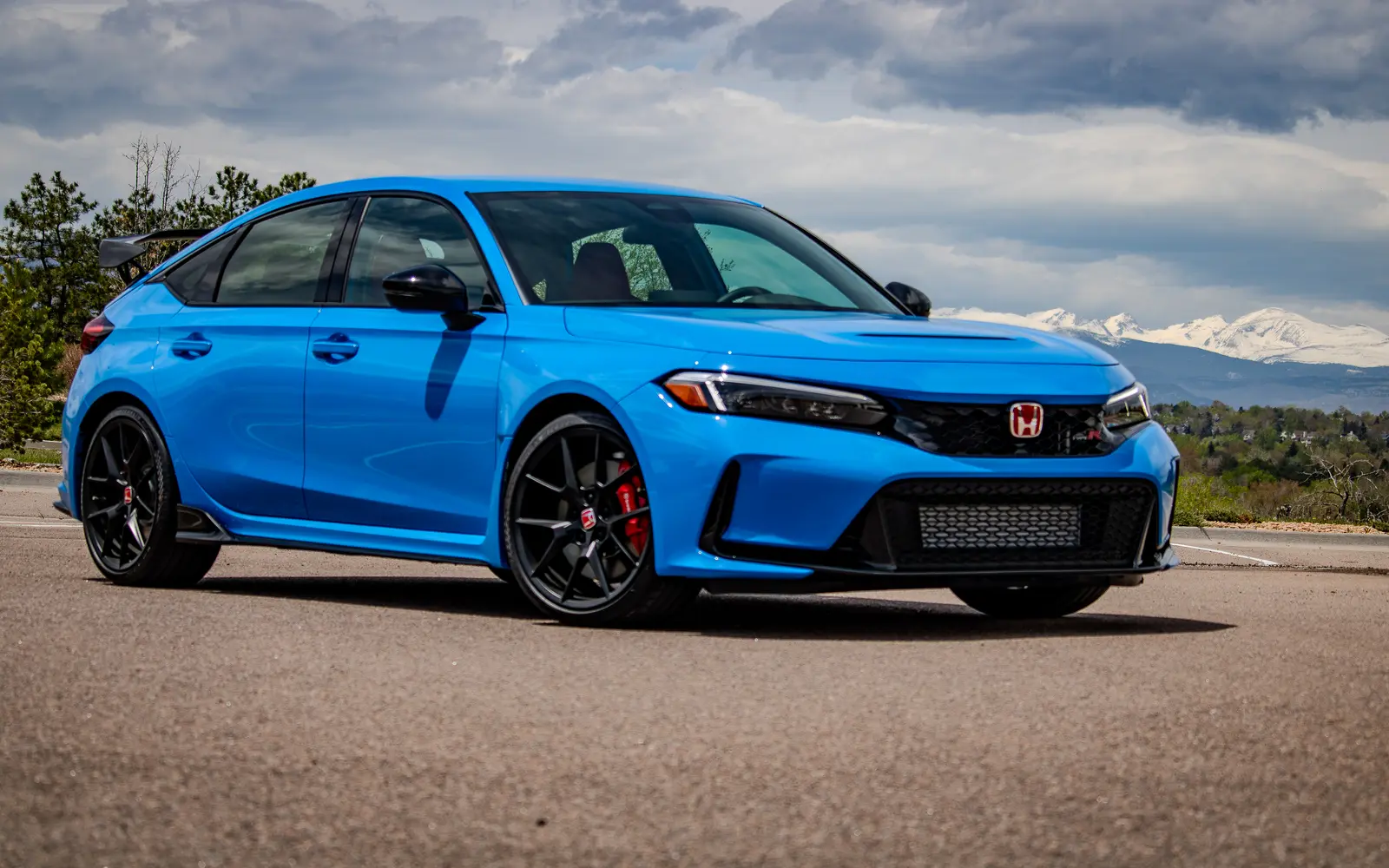
Causes of Paint Peeling and Fading
Several factors contribute to the paint peeling or fading issues observed in 2006–2013 Honda Civics:
Manufacturing Defects: During the production years, some Honda Civics suffered from a paint defect known as "delamination." This occurs when the clear coat separates from the base color coat, leading to peeling. This issue was more prevalent in specific colors, often darker shades such as black and blue.
Environmental Exposure: Constant exposure to sunlight, UV radiation, and other environmental elements can cause paint to fade over time. Fading may result in a chalky appearance as the top layers of the paint break down under prolonged sun exposure.
Lack of Maintenance: Regular paint maintenance including washing and waxing helps protect the paint. Vehicles that have not been regularly maintained or protected from environmental elements are more susceptible to paint damage.
Age and Wear: As vehicles age, wear and tear due to road debris, regular washing, and weather conditions can contribute to paint degradation.
Join the AutoFame community. Become a member for free, add your car to the garage and tell its story. Join AutoFame.
Preventive Measures
To minimize the risk of paint issues, Honda Civic owners can take several preventive measures:
Regular Washing and Waxing: Routinely wash the vehicle and apply a high-quality wax to protect the paint. Waxing offers an additional protective layer against UV radiation and environmental contaminants.
Use Car Covers: When possible, use a car cover to provide an additional layer of protection from the sun, especially if you park outdoors frequently.
Park in Sheltered Areas: Whenever possible, park in a garage or shaded area to reduce direct exposure to sunlight and other harsh weather conditions.
Apply Paint Sealant: Consider using a paint sealant, which is a synthetic product that offers long-lasting protection and can help maintain the paint’s appearance.
Repair Options
If the paint on a Honda Civic has already begun peeling or fading, owners have several options for repair:
Professional Repainting: Employ a professional automotive paint service to repaint the affected areas. This may be the most effective solution for comprehensive and long-lasting results, especially in cases of extensive paint damage.
Localized Touch-ups: For minor damage, use touch-up paint kits available through dealerships or auto parts stores. This may provide a temporary solution and help prevent further peeling.
Clear Coat Reapplication: In cases where the clear coat has just started to delaminate and the base paint is still intact, reapplying the clear coat can restore protection and appearance.
Check for Recalls or Warranty Coverage: While the official warranty period may have ended, check with Honda to see if any recalls or extended warranty solutions have been initiated regarding the paint issues. Some owners have had success obtaining help from dealers under extended goodwill campaigns.
Owners experiencing paint issues with their Honda Civics should consider these preventive and repair options to improve the longevity and appearance of their vehicle's paint.
Have a car with a story like this? Become an AutoFame member and share it with people who love cars as much as you do.
About AutoFame
AutoFame is a home for people who love cars and the stories behind them. Every car on a show field or in a garage has a history: who built it, who saved it, the road trips, the late nights in the shop and the people who helped along the way. AutoFame gives those stories a place to live, so they are not lost when the hood closes or the car changes hands.
Membership is free. Once you join, you can add your car to your own AutoFame garage with photos, specs and the story only you can tell. Restorations, survivors, daily drivers, race cars and family heirlooms all belong here. Other members can find your car, follow its progress and connect with you over the details that matter to car people.
Beyond member garages, AutoFame publishes stories, guides and features on the cars, builders and history that shape car culture. You will find buying and restoration guides, car parts explainers, special editions, the newest models and the classics that started it all. The AutoFame Gallery puts member cars on display for anyone to browse, and the AutoFame YouTube channel adds owner interviews, show highlights and the conversations that happen around a good car.
AutoFame is also built for the people who run car shows. Organizers use it to manage entries and judging, and judges score each car category by category on their phones, with a written guide for every category so nothing gets skipped. After a judged show, owners can see what their car was scored on and how it compared. Shows across the Texas Gulf Coast have run on AutoFame, including the Moody Gardens Car Show in Galveston, Good Grub and Gears, and Keels and Wheels at Lakewood Yacht Club.
AutoFame was founded by Kevin Brady, whose own life in cars began long before he started building tools for the hobby. The idea is simple: the people who love these cars should have one place to share them, learn from each other and keep the stories going.
Whether you own a show winner, a project that is still in pieces or simply love reading about great cars, there is room for you here.
Be part of the AutoFame community. Join free and become a member today.