Why does the transmission shift roughly or fail in some Jeep Grand Cherokees, and how can it be repaired?
Transmission shifting roughly or failing in some Jeep Grand Cherokees can be attributed to a variety of causes, ranging from mechanical wear and tear to issues with electronic components. Here are so…
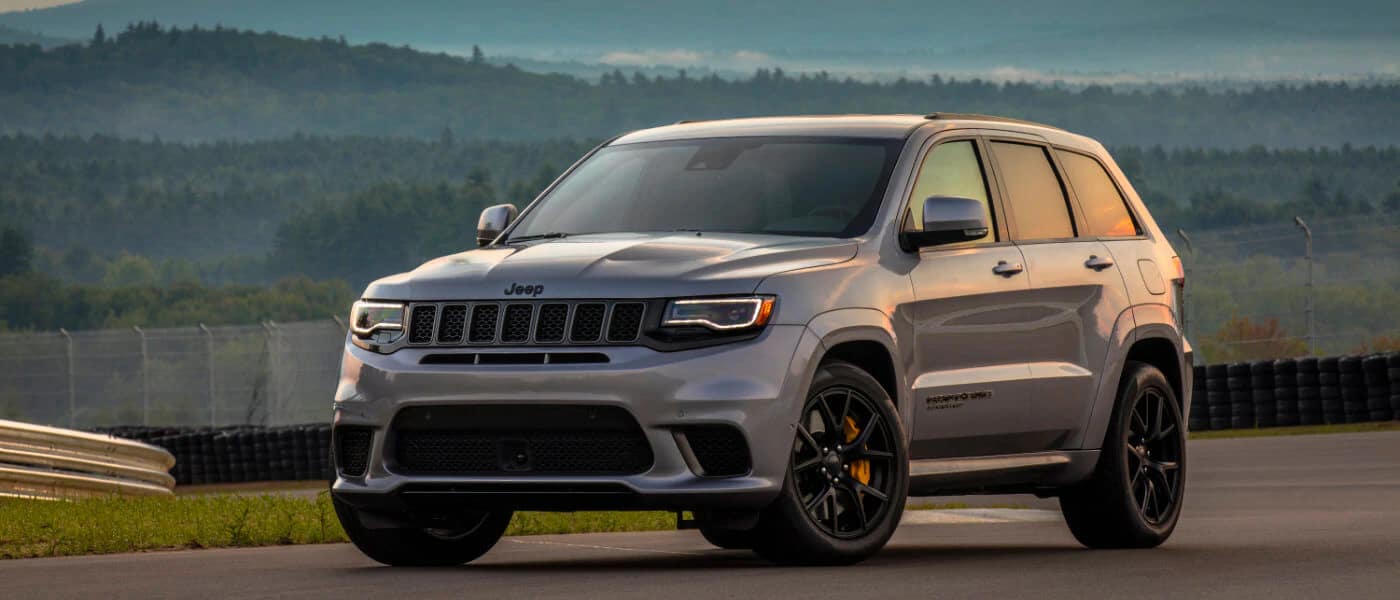
Transmission shifting roughly or failing in some Jeep Grand Cherokees can be attributed to a variety of causes, ranging from mechanical wear and tear to issues with electronic components. Here are some reasons why this might occur, along with possible solutions to repair the problem:
Potential Causes of Transmission Issues
- Wear and Tear: Over time, components within the transmission can wear out, leading to rough shifting. High mileage vehicles are particularly susceptible to this problem as parts like gears and clutch packs degrade.
- Fluid Issues: Insufficient or contaminated transmission fluid can lead to poor lubrication and overheating, causing components to move roughly. Low fluid levels can result from leaks in the transmission system.
- Software and Sensor Problems: Modern vehicles, including Jeep Grand Cherokees, rely heavily on electronic control units and sensors to manage transmission function. Malfunctioning sensors or software glitches can result in incorrect transmission behavior.
- Faulty Solenoids: Transmission solenoids are responsible for controlling fluid flow within the system. A failing solenoid can cause erratic shifting patterns as the fluid transmission is incorrectly managed.
- Clogged Transmission Filter: A clogged filter can impede fluid flow throughout the transmission system, leading to shifting problems and excessive wear on the transmission components.
Diagnosis
- Check Error Codes: Use an OBD-II scanner to read any diagnostic trouble codes (DTCs) stored in the vehicle's computer. These codes can provide valuable insights into electronic problems connected with the transmission.
- Inspect Transmission Fluid: Assess the transmission fluid level and quality. A dipstick can be used for this purpose if the vehicle is equipped with one. Look for burnt smell or dark fluid, which indicates a need for fluid replacement.
- Visual Inspection for Leaks: Check under the vehicle for any signs of fluid leaks. Leaks can affect fluid levels, leading to poor transmission performance.
- Evaluate System Components: Carry out a thorough inspection of transmission parts such as solenoids, filters, and sensors to identify signs of damage or failure.
Repair Solutions
- Change Transmission Fluid and Filter: If the transmission fluid is old or contaminated, replace it along with the transmission filter to ensure proper lubrication and cooling.
- Repair Leaks: If leaks are found during inspection, address them promptly. This may involve replacing gaskets, seals, or other components within the transmission system.
- Update/Reset Transmission Software: If a software issue is identified, updating or resetting the transmission control module can rectify inconsistencies in shifting.
- Replace Faulty Solenoids: If solenoids are determined to be the issue, replacing them can restore normal flow and operation within the system.
- Clutch Replacement: If wear is significant, replacing worn clutches or gears might be necessary to restore smooth transmission function.
Regular Maintenance
- Scheduled Maintenance: Follow the manufacturer’s recommended maintenance schedule for transmission servicing. Regular maintenance can prevent many issues that lead to rough shifting.
- Periodic Check-Ups: Regularly bring the vehicle in for professional inspections to catch early signs of transmission wear or damage before they escalate into more serious problems.
By identifying the underlying cause of the issue and pursuing the appropriate repairs or maintenance, the issue of rough transmission shifting or failure in a Jeep Grand Cherokee can typically be resolved.