Why does the Autopilot system occasionally malfunction in the 2020 Tesla Model 3, and what are the solutions?
The Autopilot system in the 2020 Tesla Model 3 is an advanced driver-assistance system that is designed to assist with steering, acceleration, and braking. However, users have reported occasional mal…
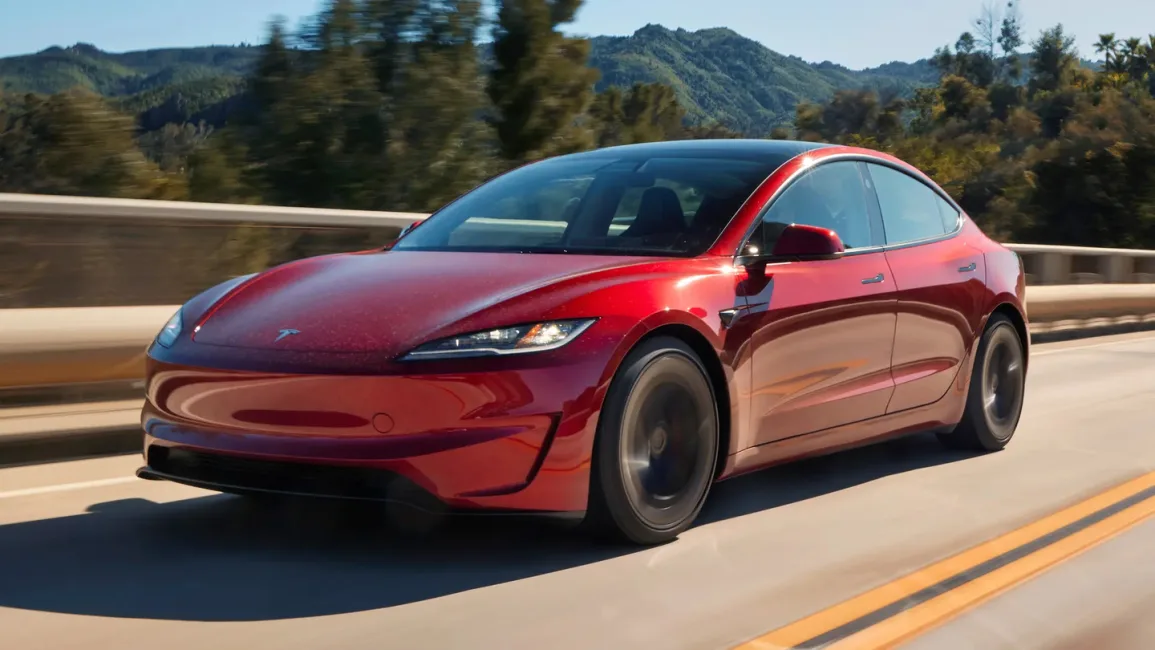
The Autopilot system in the 2020 Tesla Model 3 is an advanced driver-assistance system that is designed to assist with steering, acceleration, and braking. However, users have reported occasional malfunctions. Understanding these issues and their solutions can help ensure a safer driving experience.
Join the AutoFame community. Become a member for free, add your car to the garage and tell its story. Join AutoFame.
Common Reasons for Autopilot Malfunctions
Sensor Calibration Issues: The Tesla Model 3 relies heavily on sensors, including cameras, ultrasonic sensors, and radar, to function accurately. If these sensors are improperly calibrated, the Autopilot might not respond correctly to the surroundings.
Software Bugs: Like any software, Tesla's Autopilot system is susceptible to bugs and glitches that can cause unexpected behavior or failure to operate as intended. This is common, especially following new updates or upgrades.
Environmental Conditions: Autopilot performance can be affected by adverse weather conditions such as heavy rain, fog, or snow, which can obstruct sensor inputs and camera visibility.
Lane Marking Issues: Autopilot relies on clear and distinct lane markings to navigate effectively. Poorly maintained roads with faded or confusing lane markings can cause the system to falter.
Hardware Malfunctions: On rare occasions, the problem may stem from the vehicle's hardware components, such as malfunctioning cameras or radar equipment.
Solutions to Address Autopilot Malfunctions
Regular Software Updates: Ensure that your Tesla is always running the latest software. Tesla regularly releases software updates that address bugs, enhance features, and improve the overall performance of the Autopilot system.
Manual Sensor Calibration: If sensor calibration issues arise, you can attempt a manual calibration through the vehicle’s settings. This process involves ensuring that the sensors and cameras are correctly aligned and fully operational.
Environmental Awareness: Recognize the limitations of the Autopilot system in various environmental conditions. In inclement weather, it might be safer to take manual control rather than relying on Autopilot.
Road Awareness: Pay attention to road conditions, especially lane markings. If you encounter poorly marked roads, consider overriding the Autopilot to ensure safe navigation.
Seek Professional Assistance: If the Autopilot continues to malfunction despite these measures, it may be necessary to visit a Tesla service center for a professional inspection and potential hardware repair.
Ensuring Safe Autopilot Usage
Understanding System Limits: Always remain aware that Autopilot is not a fully autonomous driving system. It requires driver supervision and the driver must be ready to take control at a moment's notice.
Frequent Monitoring: Keep a close eye on the vehicle's performance when Autopilot is activated and be prepared to intervene if the system acts unpredictably.
Submit Feedback: If you encounter issues with the Autopilot system, report them to Tesla. User feedback is crucial for identifying recurring problems and improving the feature through subsequent updates.
Have a car with a story like this? Become an AutoFame member and share it with people who love cars as much as you do.
By understanding the potential causes and solutions for Autopilot malfunctions in the 2020 Tesla Model 3, drivers can enhance both the performance of their vehicles and ensure safer road experiences.
About AutoFame
AutoFame is a home for people who love cars and the stories behind them. Every car on a show field or in a garage has a history: who built it, who saved it, the road trips, the late nights in the shop and the people who helped along the way. AutoFame gives those stories a place to live, so they are not lost when the hood closes or the car changes hands.
Membership is free. Once you join, you can add your car to your own AutoFame garage with photos, specs and the story only you can tell. Restorations, survivors, daily drivers, race cars and family heirlooms all belong here. Other members can find your car, follow its progress and connect with you over the details that matter to car people.
Beyond member garages, AutoFame publishes stories, guides and features on the cars, builders and history that shape car culture. You will find buying and restoration guides, car parts explainers, special editions, the newest models and the classics that started it all. The AutoFame Gallery puts member cars on display for anyone to browse, and the AutoFame YouTube channel adds owner interviews, show highlights and the conversations that happen around a good car.
AutoFame is also built for the people who run car shows. Organizers use it to manage entries and judging, and judges score each car category by category on their phones, with a written guide for every category so nothing gets skipped. After a judged show, owners can see what their car was scored on and how it compared. Shows across the Texas Gulf Coast have run on AutoFame, including the Moody Gardens Car Show in Galveston, Good Grub and Gears, and Keels and Wheels at Lakewood Yacht Club.
AutoFame was founded by Kevin Brady, whose own life in cars began long before he started building tools for the hobby. The idea is simple: the people who love these cars should have one place to share them, learn from each other and keep the stories going.
Whether you own a show winner, a project that is still in pieces or simply love reading about great cars, there is room for you here.
Be part of the AutoFame community. Join free and become a member today.