Why does the air conditioning system fail in the 2020 Tesla Model 3, and what are the recommended fixes?
Common Causes of Air Conditioning Failures in the 2020 Tesla Model 3 The air conditioning system in the 2020 Tesla Model 3 has been reported to fail due to several common issues. Here are the most fr…
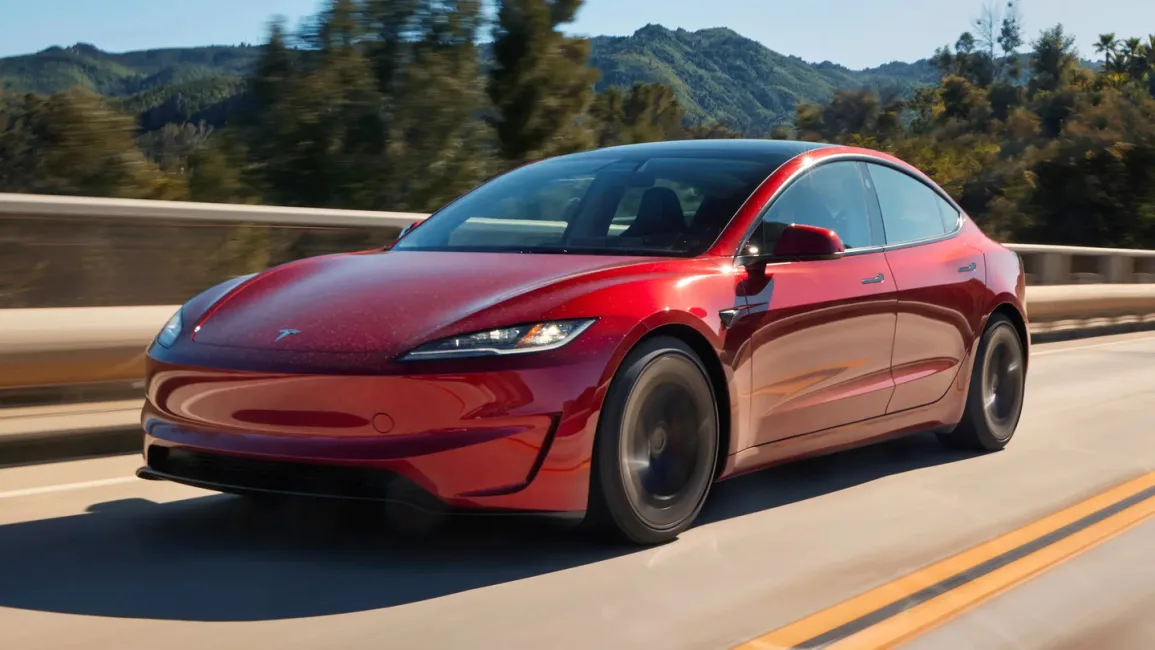
Common Causes of Air Conditioning Failures in the 2020 Tesla Model 3
The air conditioning system in the 2020 Tesla Model 3 has been reported to fail due to several common issues. Here are the most frequent causes:
- Clogged or Dirty Filters: Over time, cabin air filters can become clogged with dust, pollen, and other particles, which restricts airflow and reduces the efficiency of the air conditioning system.
- Refrigerant Leaks: The system may develop refrigerant leaks, causing it to lose the cooling medium needed to produce cold air. Leaks can occur due to damaged hoses, seals, or connections.
- Compressor Issues: The AC compressor is responsible for circulating refrigerant throughout the system. Compressor failure may happen due to mechanical problems, wear and tear, or electrical faults.
- Software Glitches: Being a highly software-intensive vehicle, the Tesla Model 3 can sometimes experience software issues that affect the operation of the air conditioning system.
- Electrical Failures: Faults in wiring or electrical components can disrupt the flow of power to the AC, affecting its ability to function.
Recommended Fixes for Air Conditioning Issues
To address air conditioning problems in the 2020 Tesla Model 3, you can follow these recommended fixes:
- Replace or Clean Filters: Regularly inspect and clean or replace the cabin air filters to ensure proper airflow. Tesla recommends filter replacement approximately every two years.
- Check for Leaks: Have a qualified technician inspect the AC system for refrigerant leaks. If a leak is detected, it should be repaired, and the refrigerant should be refilled as per Tesla's specifications.
- Inspect the Compressor: A mechanic should check the compressor for functionality. If it is faulty, replacement might be necessary. Ensure that any new parts are genuine Tesla components.
- Perform Software Updates: Regularly update the vehicle's software, as patches can contain bug fixes and improvements for the climate control system. This can often be done over-the-air with Tesla vehicles.
- Examine Electrical Systems: Have an expert examine the vehicle's wiring and electrical components for faults. Repair any exposed or damaged wiring and replace faulty components.
By following these solutions, owners can maintain the air conditioning system's performance and extend its longevity. If problems persist, consulting a Tesla service center is advisable for professional diagnosis and repair.