Why does a 2016 Ford Mustang GT overheat during idling or slow driving?
Possible Causes of Overheating There are several reasons why a 2016 Ford Mustang GT might overheat during idling or slow driving: Cooling Fan Issues: The cooling fans are crucial for drawing air thro…
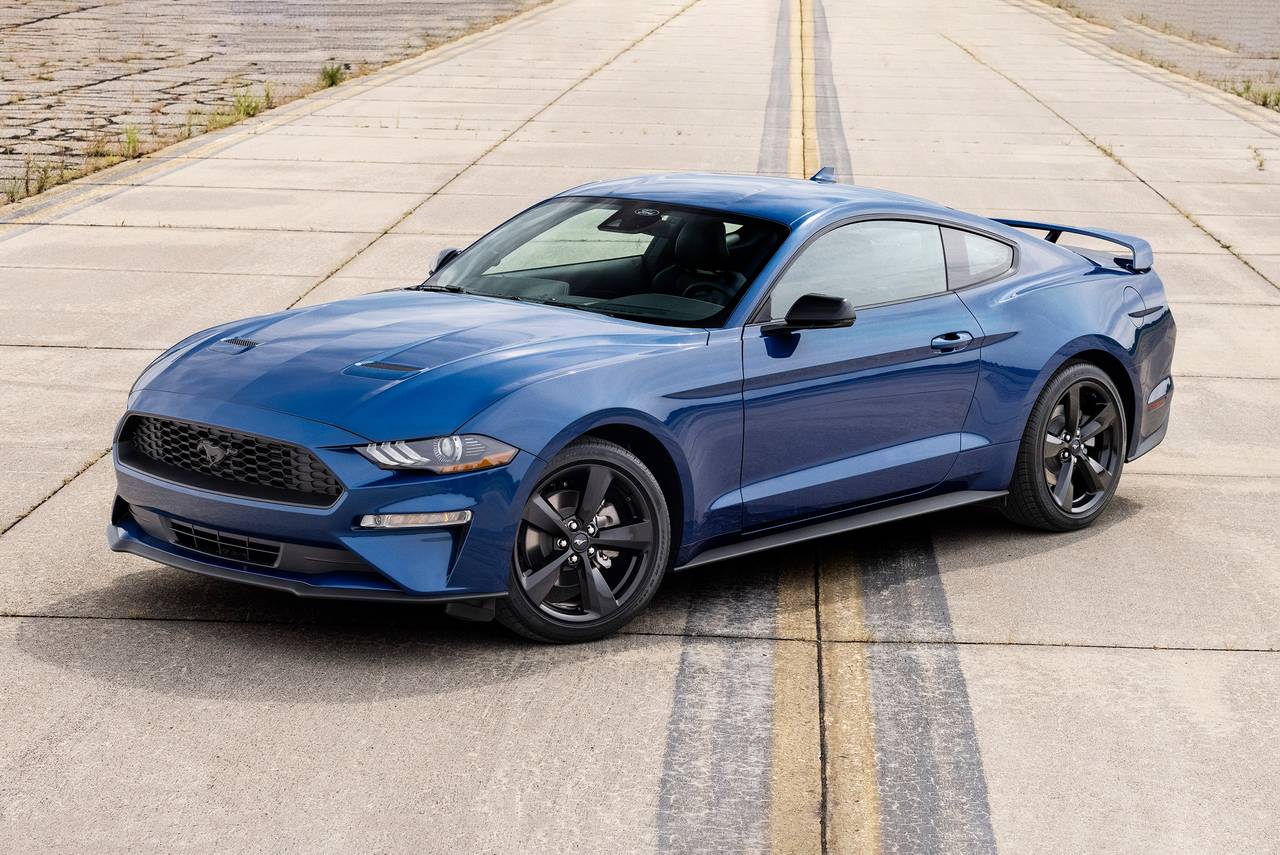
Possible Causes of Overheating
There are several reasons why a 2016 Ford Mustang GT might overheat during idling or slow driving:
- Cooling Fan Issues: The cooling fans are crucial for drawing air through the radiator when the vehicle is not moving fast enough to provide natural airflow. If the fans are malfunctioning due to a blown fuse, defective relay, or motor problem, the engine can overheat.
- Radiator Problems: A clogged or damaged radiator can prevent the proper flow of coolant, leading to overheating. Debris, dirt, or internal sediment can build up within the radiator, causing blockages.
- Thermostat Failure: The thermostat regulates the flow of coolant to the engine. If it's stuck closed, the coolant cannot circulate, causing the engine to overheat, especially during periods when the car is idling or moving slowly.
- Low Coolant Levels: If the coolant level is low, the cooling system will not function efficiently. Leaks in the radiator, hoses, or gasket can contribute to this problem.
- Water Pump Issues: The water pump is responsible for circulating coolant throughout the engine. A failing water pump can impede coolant flow, leading to overheating.
- Cooling System Leaks: Small leaks can grow over time, leading to a loss of coolant and eventual overheating. Common areas for leaks include the radiator, hoses, and the water pump.
- Faulty Coolant Temperature Sensor: This sensor monitors the engine's temperature and sends the data to the engine control unit (ECU). If it is faulty, the ECU might not activate the cooling fans promptly, leading to overheating.
Immediate Steps to Take When Overheating
If your 2016 Ford Mustang GT begins to overheat, follow these steps until you can address the underlying issue:
- Turn Off the A/C: Air conditioning adds extra load on the engine, increasing the chances of overheating. Turning it off can reduce the engine load.
- Turn On the Heater: Turning on the heater can help draw heat away from the engine and into the passenger compartment, providing temporary relief.
- Idle with the Hood Open: If you're stuck in traffic, open your hood to allow more air circulation around the engine. This can aid in cooling down the engine quicker.
- Check Coolant Levels: Wait for the engine to cool down before checking the coolant level. If it's low, top it up with the appropriate coolant mixture.
- Pullover and Turn Off the Engine: If the temperature gauge is at the maximum or you see steam coming from the hood, pull over safely and turn off the engine to prevent severe damage.
Long-Term Solutions
To permanently resolve overheating issues, consider these long-term solutions:
- Inspect or Replace the Cooling Fan: Ensure the cooling fans are functioning correctly. Replacement might be necessary if they are faulty.
- Flush the Radiator: A professional radiator flush can remove debris and sediment, restoring adequate coolant flow.
- Replace the Thermostat: If the thermostat is found to be faulty, replace it with a new one to ensure proper coolant circulation.
- Fix Leaks: Identify and repair any leaks in the cooling system, which might include changing hoses, gaskets, or the radiator itself.
- Replace the Water Pump: If the water pump is found to be malfunctioning, replace it to ensure effective coolant circulation.
- Check the Coolant Temperature Sensor: Ensure that the sensor is functioning correctly and replace it if necessary.
Proper maintenance and timely attention to cooling system issues can prevent your 2016 Ford Mustang GT from overheating during idling or slow driving.