Why do catalytic converters fail in 2002–2009 Altimas, and what can be done?
Catalytic converter failure in the 2002–2009 Nissan Altima is a concern that many owners have experienced. This failure can be attributed to various factors, and understanding them can help in both p…
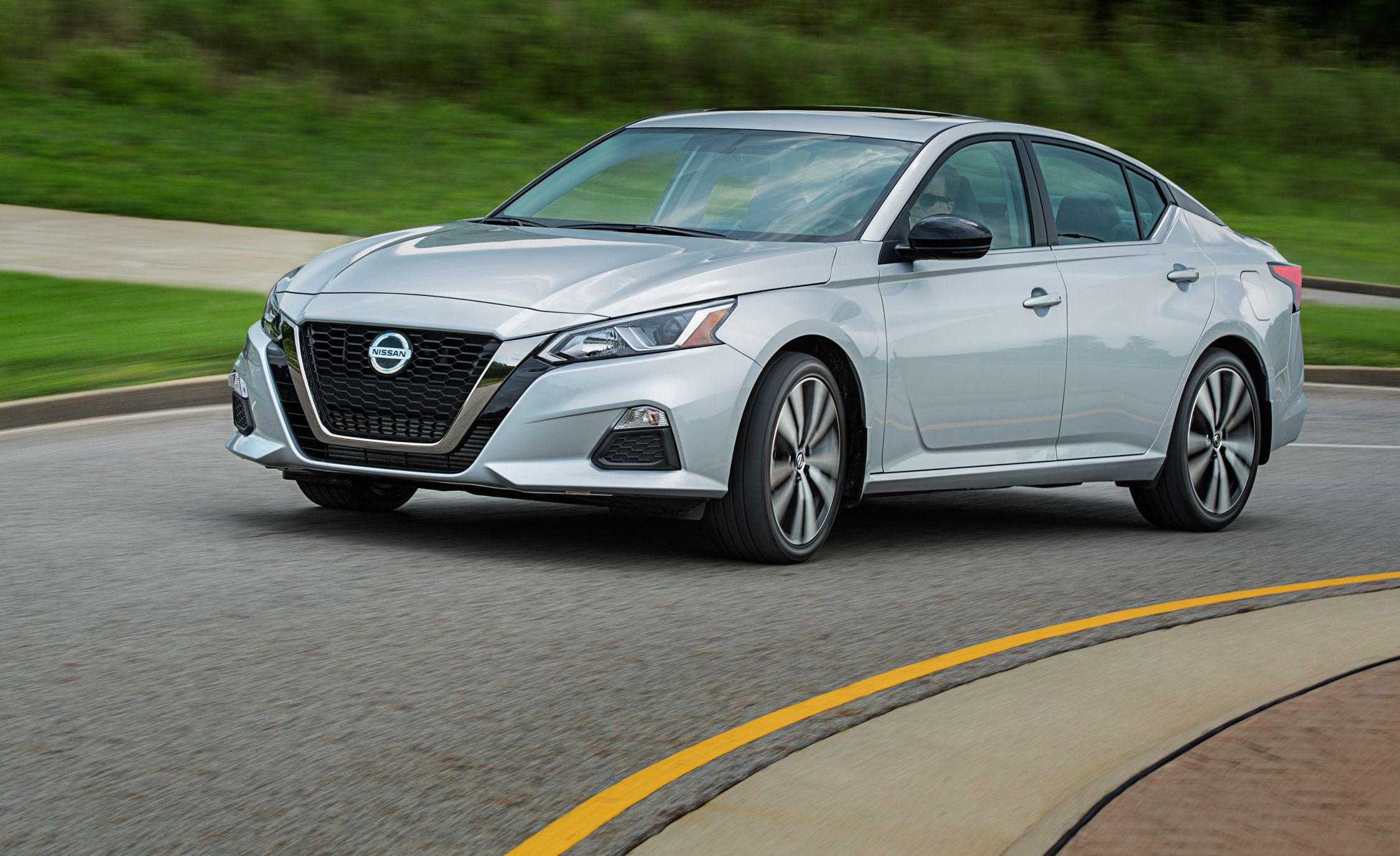
Catalytic converter failure in the 2002–2009 Nissan Altima is a concern that many owners have experienced. This failure can be attributed to various factors, and understanding them can help in both prevention and mitigation. Here is an in-depth explanation of why these failures occur and what can be done to address the issue.
Common Causes of Catalytic Converter Failure
- Design Flaws:
- Some model years of the 2002–2009 Altima have been noted to have design defects in their exhaust systems that affect the catalytic converter.
- These design imperfections can lead to improper exhaust flow, increasing the likelihood of a clogged or inefficient catalytic converter.
- Premature Wear:
- The materials and design used for the catalytic converters in these vehicles might not withstand the thermal and physical stress over time, which can lead to premature wear.
- Excessive Oil Consumption:
- The 2.5-liter engines in some of these Altimas are known for excessive oil consumption. Burning oil produces residue that can coat the catalytic converter, causing it to fail.
- Faulty Oxygen Sensors:
- A malfunctioning oxygen sensor can provide incorrect readings to the engine's computer, which may result in the engine running too rich or too lean, subsequently damaging the catalytic converter.
Symptoms of a Failing Catalytic Converter
- Decreased engine performance and acceleration.
- Unusual exhaust smoke or odor.
- Poor fuel economy.
- Check engine light illumination.
Solutions and Preventive Measures
- Regular Maintenance:
- Regularly scheduled maintenance checks can help in identifying potential problems before they escalate.
- Ensure that oil changes are performed on time to prevent excessive oil consumption and avoid residue buildup.
- Addressing Recalls and Technical Service Bulletins (TSBs):
- Check if there are any outstanding recalls or TSBs regarding the catalytic converter or engine issues for your specific Altima model.
- Dealerships may provide replacements or updates free of cost if the vehicle is eligible under these notices.
- Replacement with High-Quality Parts:
- If replacement becomes necessary, consider investing in upgraded high-quality or aftermarket catalytic converters, which may be more durable.
- Monitoring Engine Performance:
- Keep a close eye on engine performance and address any issues, such as misfires or sensor malfunctions immediately, as these can impact the health of the catalytic converter.
Conclusion
Understanding the reasons behind catalytic converter failure in the 2002–2009 Nissan Altima can help in taking appropriate preventive measures. Regular maintenance, prompt resolution of engine issues, and staying informed about potential design flaws through recalls or TSBs can significantly enhance the longevity of the catalytic converter and the overall vehicle performance. If failure occurs, replacing it with a high-quality part can prevent recurring issues.