What leads to premature suspension wear in the 2017 Tesla Model S, and how to resolve it?
Factors Leading to Premature Suspension Wear Poor Road Conditions Potholes, uneven surfaces, and other road hazards can put undue stress on the suspension components. Frequent driving on poorly maint…
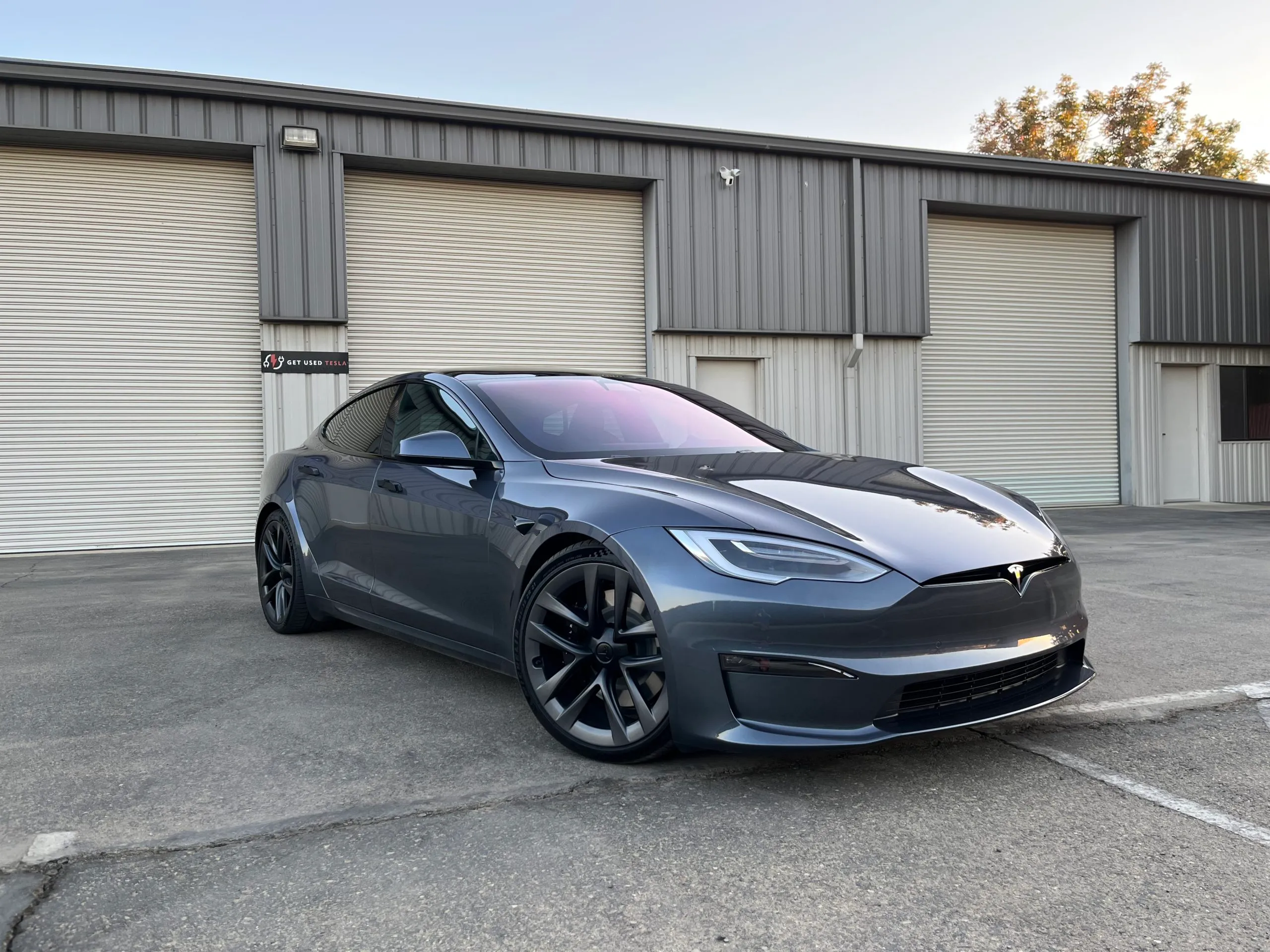
Factors Leading to Premature Suspension Wear
Poor Road Conditions
- Potholes, uneven surfaces, and other road hazards can put undue stress on the suspension components.
- Frequent driving on poorly maintained roads accelerates wear and tear.
Aggressive Driving
- Rapid acceleration, hard braking, and aggressive cornering increase the load on suspension parts.
- This driving style can cause components to wear out faster than normal.
Overloading
- Consistently carrying heavy loads can strain the suspension system beyond its capacity.
- This excessive weight leads to faster deterioration of suspension parts.
Improper Alignment
- Incorrect wheel alignment can cause uneven tire wear, which negatively impacts the suspension.
- Misalignment can also cause abnormal stress on suspension components.
Inadequate Maintenance
- Neglecting regular maintenance checks can cause minor suspension issues to escalate.
- Failing to lubricate or replace worn-out parts as needed shortens the lifespan of the suspension system.
Defective Parts
- Occasionally, premature wear might be due to manufacturing defects in the suspension components themselves.
- Using substandard replacement parts can also contribute to early wear.
Solutions to Resolve Premature Suspension Wear
Drive Cautiously
- Avoid aggressive driving behaviors such as rapid acceleration and hard braking. Drive smoothly to minimize stress on the suspension system.
- Slow down when driving over potholes and rough roads to reduce impact on suspension components.
Proper Maintenance and Inspections
- Regularly inspect the suspension system during routine maintenance checks to identify and address issues early.
- Lubricate suspension parts as required and replace worn or damaged components promptly.
Main Current Wheel Alignment
- Perform alignment checks and adjustments as per the manufacturer's recommendations to ensure that your wheels are correctly aligned.
- Proper alignment helps to distribute the load evenly across all suspension parts, preventing uneven wear.
Avoid Overloading
- Adhere to the vehicle’s load capacity specifications to avoid excessive strain on the suspension system.
- If you frequently carry heavy loads, consider upgrading the suspension to stronger components suited for higher loads.
Use Quality Parts
- Replace worn suspension components with high-quality, OEM (Original Equipment Manufacturer) parts to ensure durability and performance.
- Consult with authorized Tesla service centers for recommended parts and services.
Address Manufacturer Defects
- If you suspect premature suspension wear is due to defective parts, consult with Tesla for warranty repair or replacement options.
- Stay updated on any recalls or technical service bulletins related to suspension issues.