What could be causing unusual noises from the suspension system in a 2016 Nissan Rogue, and how can they be fixed?
Poor Shock Absorbers or Struts Unusual noises from the suspension system in a 2016 Nissan Rogue can often be caused by worn-out or damaged shock absorbers or struts. These components are crucial for …
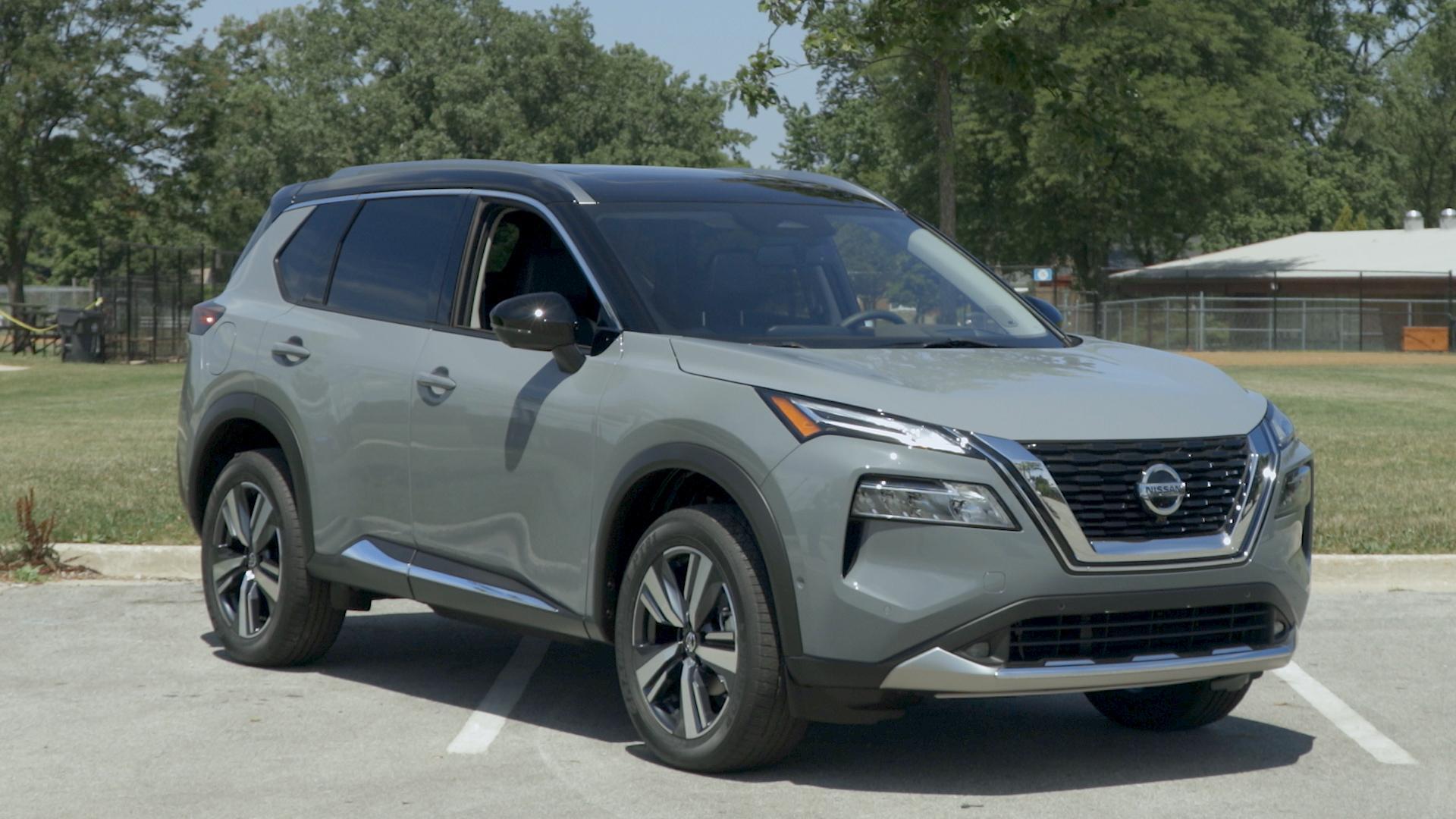
Poor Shock Absorbers or Struts
Unusual noises from the suspension system in a 2016 Nissan Rogue can often be caused by worn-out or damaged shock absorbers or struts. These components are crucial for damping the road impacts and ensuring a smooth ride. As they age, the internal components can wear out, causing knocking or banging sounds.
- How to Fix: Inspect the shock absorbers or struts for any signs of leakage or physical damage. If any issues are found, replacement is typically the best course of action. Always replace shocks or struts in pairs (both front or both rear) to maintain balanced handling.
Worn Bushings
Bushings are rubber or polyurethane components that isolate and cushion various parts of the suspension. Over time, they can deteriorate, harden, or crack, leading to metal-on-metal contact and resulting in clunking or creaking noises.
- How to Fix: Visually inspect all the bushings in the suspension system, including those in the control arms, sway bar links, and other connections. Replace any worn or damaged bushings. While some bushings can be replaced individually, others may require replacing the entire component they are a part of.
Loose or Damaged Sway Bar Links
The sway bar links help stabilize the vehicle during cornering by connecting the sway bar to the suspension. If these links become loose or damaged, they can cause rattling or knocking noises.
- How to Fix: Check the sway bar links for any signs of wear or damage. Tighten any loose links and replace any that are damaged. It's often a good idea to replace both links on the same axle simultaneously.
Ball Joint Issues
Ball joints connect the control arms to the steering knuckles and allow for smooth movement of the suspension and steering systems. Worn ball joints can cause popping or clunking noises, especially when turning or going over bumps.
- How to Fix: Inspect the ball joints for any looseness or wear. If there's any play or damage, the ball joints should be replaced. This job can be complex and may require specialized tools, so it may be best left to a professional mechanic.
Wheel Bearings
Wheel bearings support the wheel and allow it to rotate smoothly. When they wear out, they can cause grinding or humming noises that vary with the vehicle's speed.
- How to Fix: Lift the vehicle and spin each wheel to listen for any unusual noises or feel for roughness. If a wheel bearing is found to be faulty, it should be replaced immediately to avoid compromising vehicle safety. This is also a task that may be best performed by a professional.
Tie Rod Ends
Tie rod ends connect the steering rack to the steering knuckle and ensure accurate steering control. When they wear out, they can cause clicking or clunking noises, especially during steering maneuvers.
- How to Fix: Inspect the tie rod ends for any signs of wear or movement. Replace any worn tie rod ends to restore proper steering function. An alignment may be necessary after replacement.
Loose Components
Various suspension components, such as bolts, nuts, and brackets, can loosen over time, causing rattling or knocking noises.
- How to Fix: Perform a thorough inspection of all suspension components and ensure that all bolts, nuts, and brackets are properly tightened to the manufacturer's specifications.
Conclusion
Identifying and fixing unusual noises from the suspension system in a 2016 Nissan Rogue requires careful inspection and diagnosis. Addressing the issues promptly can help maintain the vehicle's performance and safety. For complex repairs, it's recommended to consult a professional mechanic to ensure the job is done correctly and safely.