What causes wind or road noise at higher speeds in the Rivian R1T, and how can it be reduced?
Causes of Wind and Road Noise in the Rivian R1T Wind and road noise at higher speeds in the Rivian R1T can be attributed to multiple factors. Understanding these causes can help in identifying potent…
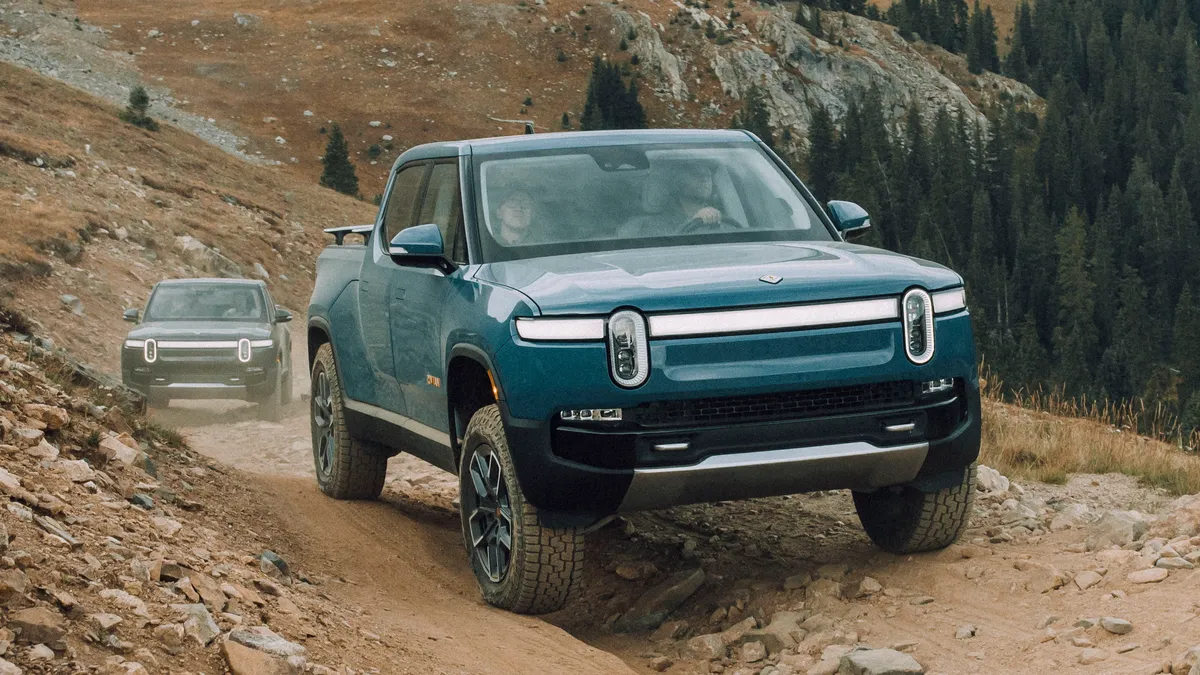
Causes of Wind and Road Noise in the Rivian R1T
Wind and road noise at higher speeds in the Rivian R1T can be attributed to multiple factors. Understanding these causes can help in identifying potential areas for noise reduction.
- Aerodynamics: The shape and structure of the Rivian R1T can contribute to wind resistance. As air flows over and around the vehicle at high speeds, turbulence can be created, leading to wind noise. Design aspects, such as mirrors and roof racks, can increase this effect.
- Window and Door Seals: Gaps or imperfections in window and door seals can allow air to seep in, which contributes to increased wind noise. Over time, seals can wear or lose their effectiveness, exacerbating noise levels.
- Tires and Road Surface: The type of tires and the texture of the road surface are significant contributors to road noise. Tires with aggressive tread patterns intended for off-road performance can produce more road noise when driving on paved surfaces. Additionally, rough or uneven road surfaces can amplify noise.
- Construction and Insulation: The materials and construction methods used in vehicle design affect sound insulation. Insufficient sound deadening or improper insulation can make the cabin louder as noises penetrate the vehicle's structure.
Methods to Reduce Wind and Road Noise
Various techniques and modifications can help minimize wind and road noise in the Rivian R1T, enhancing the driving experience.
- Enhancing Aerodynamic Profile: Consider using roof racks or additional accessories only when necessary to reduce air turbulence. Streamlining these components can also make a significant difference in reducing wind noise.
- Improving Seals and Insulation: Regularly inspect and maintain the seals of doors and windows. Replacing worn seals and adding extra weather stripping can help prevent air leaks, reducing noise from wind.
- Selecting Appropriate Tires: For predominantly on-road driving, consider selecting tires designed for quieter performance rather than aggressive off-road tires. This can significantly decrease road noise.
- Upgrading Sound Insulation: Investing in additional soundproofing materials, such as acoustic foam or sound-deadening mats, can help insulate the cabin from unwanted noise. Focus areas for additional insulation can include the floor, doors, and roof lining.
- Regular Vehicle Maintenance: Regular maintenance checks can ensure that components influencing wind and road noise are in good condition. Addressing issues like loose panels or deteriorated insulation promptly can help minimize noise levels.
By understanding and addressing these factors, drivers can enjoy a quieter and more comfortable driving experience in their Rivian R1T, even at higher speeds.