What causes problems with the regenerative braking system in the 2020 Nissan Leaf, and how can they be addressed?
Introduction to Regenerative Braking System in the Nissan Leaf The regenerative braking system in the 2020 Nissan Leaf works by converting kinetic energy from the car's motion back into electrical en…
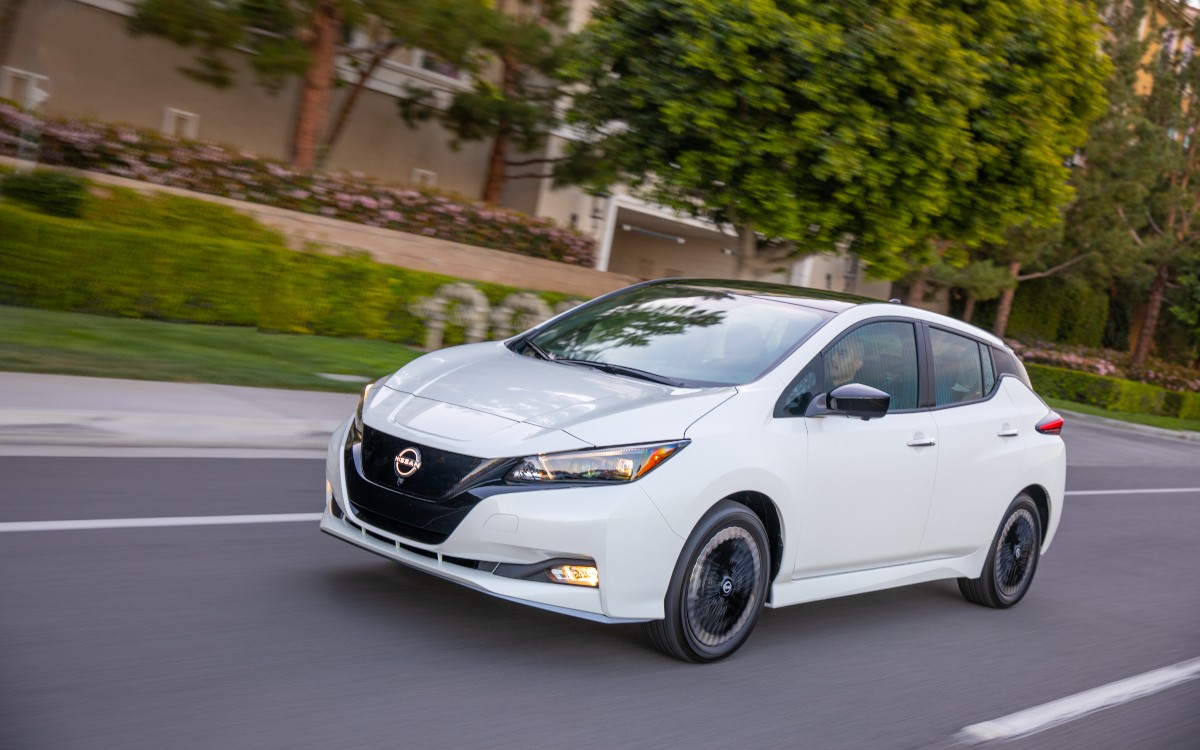
Introduction to Regenerative Braking System in the Nissan Leaf
The regenerative braking system in the 2020 Nissan Leaf works by converting kinetic energy from the car's motion back into electrical energy during braking. This energy is then stored in the battery, helping to extend the driving range of the vehicle. However, several issues can affect the performance of this system. Understanding these problems and how to address them is crucial for maximizing the potential benefits of regenerative braking.
Causes of Problems with Regenerative Braking
- Battery Health: One of the significant factors affecting regenerative braking is the health of the battery. A degraded or malfunctioning battery may struggle to store regenerated energy effectively, leading to diminished braking performance and reduced driving range.
- Software Glitches: Just like other systems in modern vehicles, the regenerative braking system can be affected by software glitches. These glitches may cause inconsistent regenerative braking behavior or even fail the system's engagement during braking.
- Excessive Heat: Excessive heat can negatively impact the efficiency of regenerative braking. During conditions of high ambient temperature or extended periods of use, components of the system, like the electric motor or battery, may generate excessive heat that can impair regenerative capabilities.
- Mechanical Issues: While regenerative braking relies heavily on electrical components, mechanical issues such as worn brake pads or issues with brake sensors can also affect the system's operation.
Addressing Regenerative Braking Problems
- Regular Battery Monitoring and Maintenance: Regularly checking the health and performance of the battery can prevent issues with regenerating energy. Ensuring the battery is correctly charged and maintained can help mitigate some of the problems with regenerative braking.
- Software Updates: Keeping the vehicle’s software up to date can resolve many issues resulting from glitches or bugs. Car owners should regularly consult with their dealership or use onboard diagnostic systems to ensure they have the latest software updates installed.
- Cooling Mechanisms: Implementing efficient cooling mechanisms or ensuring that the existing systems are functioning correctly can help manage excessive heat. This can involve routine checks and maintenance or improvements in the cooling systems of the vehicle.
- Routine Mechanical Inspections: To keep the mechanical components in good condition, regular inspections of the brakes, sensors, and other related hardware are recommended. Replacing worn-out parts promptly can ensure that the regenerative braking system functions smoothly.
Conclusion
Maintaining the regenerative braking system in the 2020 Nissan Leaf relies on a combination of software management, routine maintenance, and attention to the battery's condition. By addressing potential issues proactively, drivers can ensure the system operates efficiently, providing improved energy conservation and enhanced driving range. Consistent checks and updates can go a long way in keeping the regenerative braking system in top shape, ensuring greater reliability and performance.